

Paintings Depicting Dreams: The Canvas of Sleep
A Journey Through Dream Paintings in Art History
Dreams have fascinated humans for centuries. Artists have long tried to capture these fleeting, surreal experiences on canvas, creating some of the most haunting and imaginative works of art.
The Allure of Dreams in Art
Dreams let artists explore what reality cannot. In dream paintings, everyday rules disappear—fish swim through rooms, people transform, and emotions take visible form. Medieval and Renaissance artists painted visions and prophetic dreams, while later periods focused more on personal and psychological experiences.


The Romantic Era
Romantic painters embraced dreams as expressions of the soul. Henry Fuseli’s “The Nightmare” (1781) depicts a sleeping woman with a demonic figure on her chest and a wild horse in the shadows, capturing the fear and emotion of nightmares. Dream paintings of this era emphasized feelings over realistic depiction.
Symbolism
In the late 19th century, Symbolist artists used dreams to express emotions and spiritual truths. Odilon Redon painted hybrid creatures and floating forms that invite personal interpretation. Arnold Böcklin’s “Isle of the Dead” series evokes haunting, dreamlike landscapes with universal archetypal imagery.
Surrealism
Surrealists made dreams central to their art, influenced by Freud’s psychoanalysis. Salvador Dalí created hyperreal yet impossible scenes, like melting clocks in “The Persistence of Memory” (1931). René Magritte painted ordinary objects in strange contexts, while Max Ernst used techniques like frottage to let unconscious imagery emerge naturally.
Women and Dream Painting
Women artists explored dreams as active, personal experiences. Leonora Carrington depicted magical transformations and mythological scenes. Remedios Varo painted solitary female figures in mysterious, cosmic settings. Frida Kahlo’s “The Dream (The Bed)” reflects on sleep, death, and consciousness, blending personal and symbolic meaning.
Dreams in Contemporary Art
Modern artists continue to explore dreams. David Lynch creates dark, psychological imagery, while Neo Rauch combines history and dream logic. Kehinde Wiley sometimes depicts sleeping figures in surreal, symbolic settings. Contemporary dream paintings often focus on psychological and conceptual exploration rather than literal surrealism.
The Challenge of Painting Dreams
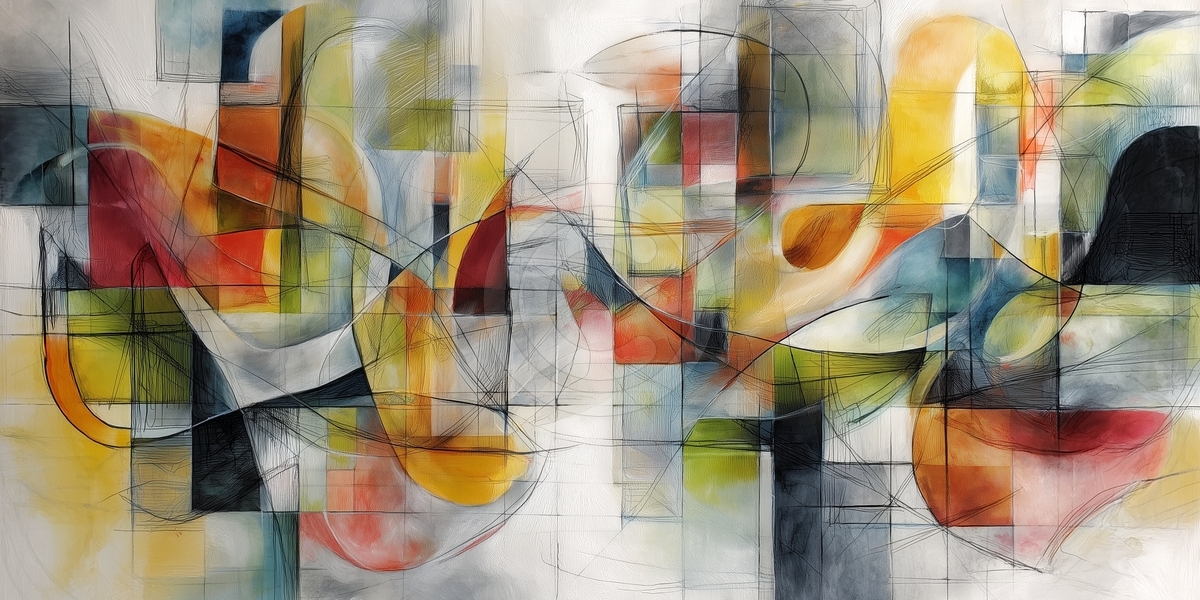
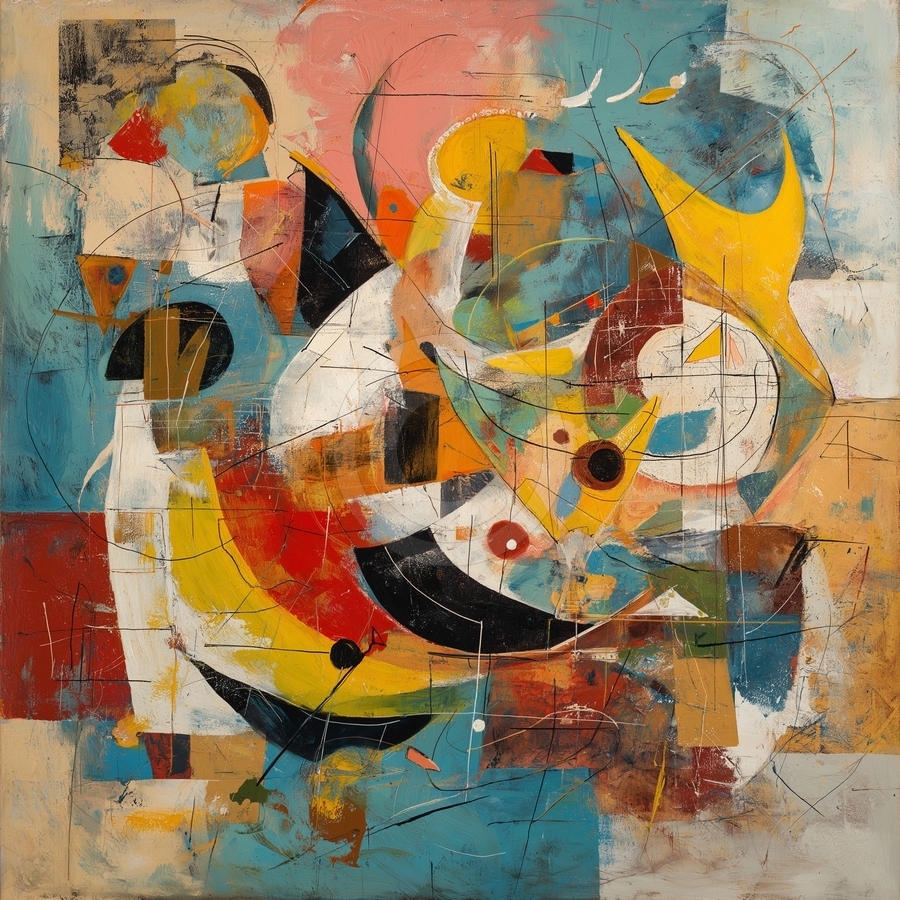
Dreams are fluid and multi-sensory, making them difficult to depict. Artists use soft focus, hyperreal clarity, unusual colors, and distorted perspectives to evoke dream experiences. Multiple viewpoints, tilted planes, and shifting scale mirror the logic—or illogic—of dreams.
Why Dream Paintings Resonate
Dream paintings appeal universally. Everyone dreams, yet dreams are private and often hard to describe. Paintings validate these experiences, making them visible and meaningful. Archetypal imagery—water, flying, falling—connects viewers to shared psychological patterns across cultures. Freudian and Jungian ideas helped artists explore the unconscious through visual symbolism.

Dreams as Rebellion
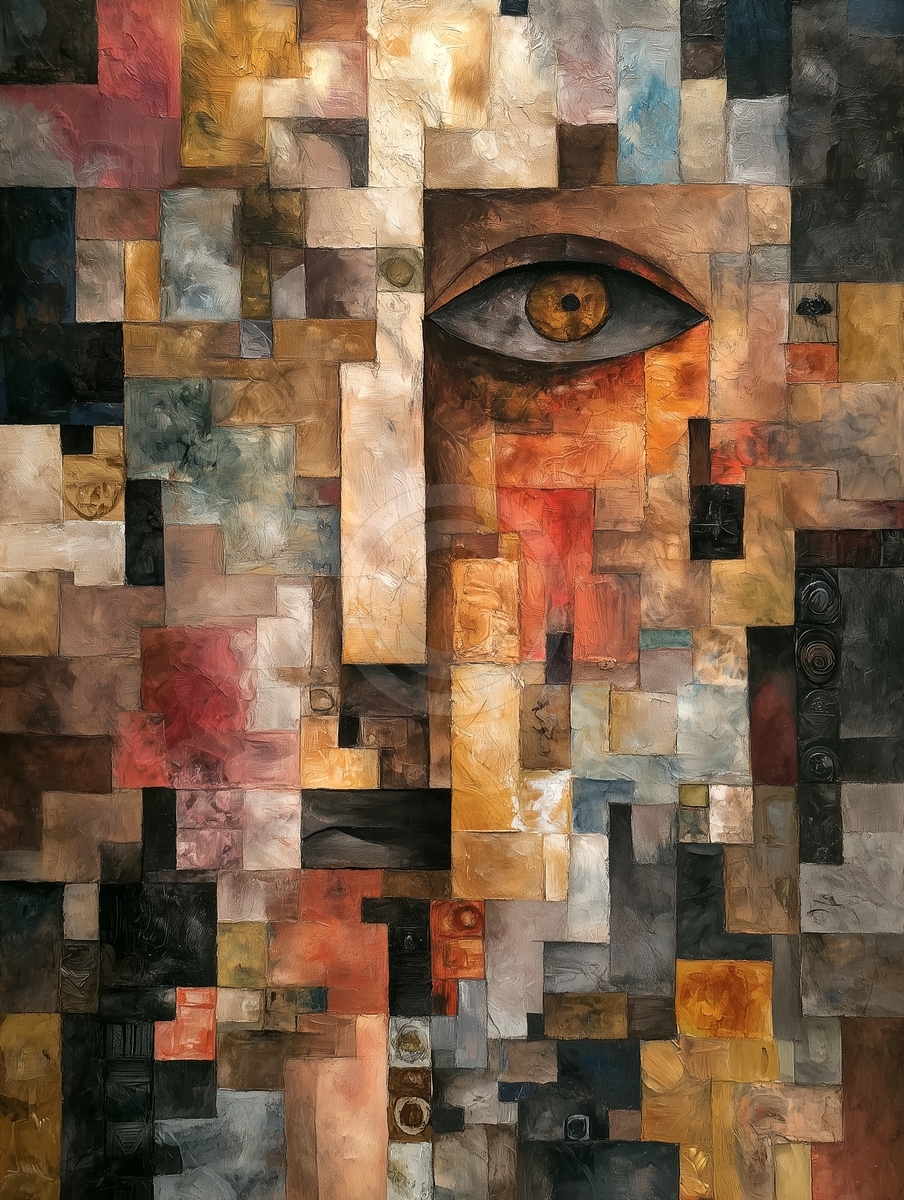
Painting dreams challenges traditional art. Dream paintings reject simple replication of reality, valuing subjective, invisible experiences. They preserve space for mystery, irrationality, and imagination in a rational, material world.
The Future of Dream Painting
Digital art, VR, AR, and AI offer new ways to depict dreams, though traditional painting retains a unique, meditative quality. Each painting is a singular experience, reflecting the act of remembering and contemplating dreams. Immersive technologies may bring viewers inside dream worlds, bridging private and public experiences.
Conclusion: The Eternal Dream
Dreams remain one of humanity’s great mysteries. From Fuseli to Dalí to contemporary artists, dream paintings capture the inner life, imagination, and symbolic meaning of sleep. They show that not everything must make sense to be profound, preserving a space for the mysterious and the inexplicable. Dream paintings are a timeless tradition, connecting artists and viewers through the shared, universal experience of dreaming.