
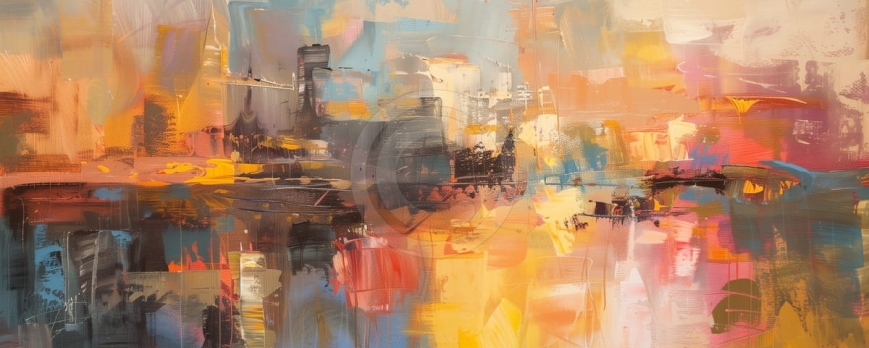
Modern Abstract Paintings for Living Room: A Complete Guide to Transforming Your Space
Introduction: Why Abstract Art Belongs in Your Living Room
The living room is the heart of any home — a space where families gather, guests are welcomed, and personal style speaks louder than anywhere else. When it comes to decorating this central space, nothing makes a bolder, more lasting impression than a well-chosen modern abstract painting.
Abstract art has moved far beyond gallery walls and museum halls. Today, it sits confidently above fireplaces, fills accent walls, and anchors open-plan spaces in homes across the world. Unlike traditional representational art, abstract paintings communicate through form, color, texture, and emotion — which is precisely what makes them so powerful in interior design. They don't need to "match" your sofa; they need to speak to you.
This guide covers everything you need to know: how to choose the right painting, what styles work in different types of living rooms, sizing guidelines, placement tips, and where to buy high-quality abstract art — from international platforms to specialized boutique galleries like PastelBrush.com and GalleryToday.com.


What Is Modern Abstract Art?
Before diving into the practical side, it helps to understand what sets modern abstract painting apart from other styles.
Modern abstract art broadly refers to works created from the early 20th century onward that deliberately move away from depicting reality. Instead of painting a landscape or a portrait with photographic accuracy, abstract painters use color, line, shape, and texture to evoke emotion, energy, ideas, or atmosphere.
Some key movements that fall under modern abstract art include:
- Abstract Expressionism (1940s–50s): Characterized by large-scale canvases, gestural brushwork, and emotional intensity. Artists like Jackson Pollock and Mark Rothko are icons of this movement.
- Color Field Painting: Focuses on large areas of flat, solid color to produce emotional depth. Think vast washes of blue, terracotta, or ochre.
- Geometric Abstraction: Uses precise shapes — squares, triangles, circles — in bold or subtle arrangements. Ideal for contemporary and minimalist interiors.
- Lyrical Abstraction: Fluid, painterly compositions that feel more organic and expressive, often featuring flowing shapes and rich layering.
- Contemporary Abstract: Today's abstract painters combine all of these influences, often incorporating mixed media, textured surfaces, metallic accents, and innovative techniques.
Each of these styles brings a different energy to a living room. The key is choosing the one that resonates with your personal taste and complements your existing interior.
The Psychology of Color in Abstract Paintings
One of the most important decisions when selecting an abstract painting is color. Color doesn't just affect how a room looks — it affects how it feels.
Warm Colors (Reds, Oranges, Yellows)
Warm-toned abstract paintings bring energy, warmth, and vibrancy into a space. A painting featuring deep terracotta, burnt orange, or golden yellow can make a living room feel cozy and inviting — ideal for north-facing rooms that receive little natural sunlight.
These tones work especially well in:
- Bohemian and eclectic interiors
- Traditional or Mediterranean-style homes
- Rooms with warm wood furniture or leather upholstery
Cool Colors (Blues, Greens, Grays)
Cool-toned abstracts promote calm, clarity, and sophistication. A large-format painting in deep navy, sage green, or soft grey can transform an ordinary wall into a focal point that feels both modern and serene.
These tones work especially well in:
- Scandinavian and minimalist interiors
- Contemporary homes with white or grey walls
- Rooms where relaxation and conversation are the primary activities
Neutral and Earthy Tones
Abstract paintings in beige, taupe, warm white, and ochre have surged in popularity in recent years. These work harmoniously with the current trend toward natural materials, rattan furniture, linen fabrics, and biophilic design.
Bold Contrasts and Multicolor Works
Don't underestimate the power of a painting that features striking color contrasts — deep black and gold, navy and copper, charcoal and white. These can anchor a room that otherwise plays it safe with its color palette and add the drama that makes a living room feel truly designed rather than merely decorated.
Choosing the Right Style for Your Living Room
Different interior design styles call for different approaches to abstract art. Here's how to match the painting to the room:
Minimalist and Scandinavian Interiors
Go for large, understated canvases. A single oversized abstract in muted tones — slate blue, warm white, soft grey — with minimal brushwork creates the perfect tension between simplicity and depth. Geometric abstractions with clean lines also work beautifully here.
What to look for: Large-format, restrained color palettes, flat or subtly textured surfaces, unframed or thin-framed canvases.
Contemporary and Urban Interiors
Bold, graphic, high-contrast abstracts are your best friend. Think sharp geometric shapes, strong line work, and color combinations that feel confident. Abstract paintings that incorporate metallic gold, copper, or silver accents add luxury without fussiness.
What to look for: Mixed media works, metallic elements, strong compositional structure, gallery-wrapped canvases.
Bohemian and Eclectic Interiors
This is where you can take real risks. Layer different styles, experiment with irregular shapes or unusual canvases, and don't be afraid of lots of color. Abstract paintings with heavy impasto texture, rich jewel tones, or collage-inspired elements fit perfectly in maximalist, bohemian spaces.
What to look for: Textured canvases, organic and flowing forms, rich warm colors, mixed media.
Traditional and Classic Interiors
Abstract art works surprisingly well in traditional spaces when chosen carefully. Opt for abstracts that have tonal warmth and a painterly quality — works that feel like they could belong in a grand drawing room. Golds, deep burgundies, and earthy browns help bridge the gap between classic furniture and modern art.
What to look for: Rich warm tones, oil-style textures, traditional frames, works with compositional depth.
Industrial and Loft-Style Interiors
Raw, expressive, and large-scale abstract paintings suit exposed brick walls and concrete floors perfectly. Look for abstract works with gestural energy, urban color palettes (charcoal, black, white, rust), and bold brushwork.
What to look for: Oversized canvases, gestural abstraction, dark or industrial color palettes.
Sizing Guide: Getting the Scale Right
One of the most common mistakes people make when buying art is choosing a piece that is too small for the wall. In a living room, scale matters enormously.
Above the Sofa
The most common placement for abstract art is above the sofa. The golden rule here is that the artwork should be roughly two-thirds the width of the sofa. For a standard 200–220 cm sofa, this means looking for paintings or groupings that span at least 130–150 cm in width.
- Single large canvas: Creates a bold, unified focal point. Ideal for contemporary spaces.
- Diptych (two panels): Creates width while maintaining visual cohesion. A very popular choice.
- Triptych (three panels): Fills the wall beautifully and adds rhythm. Works well in long, open-plan living rooms.
Accent Walls
If you have a dedicated accent wall, consider going large. A painting that is 100 × 140 cm or even larger will have genuine visual impact. Don't be intimidated by size — in most living rooms, going bigger is the right choice.
Gallery Walls
Abstract art can be mixed into gallery wall arrangements alongside photographs, mirrors, and other elements. When doing this, choose a consistent color theme across the different pieces so the arrangement feels curated rather than chaotic.
Height Placement
Hang artwork so that the center of the piece is at eye level — approximately 145–150 cm from the floor. Above the sofa, leave 15–25 cm of space between the top of the sofa and the bottom of the frame.
Materials, Textures, and Techniques to Consider
Modern abstract paintings are produced using a wide range of materials and techniques, all of which affect the final look and feel of the piece.
Oil on Canvas
Oil paintings have a depth and richness that is difficult to replicate. The slow-drying nature of oil paint allows artists to blend colors seamlessly and build up layers of translucent glazes. Oil abstracts have a timeless, gallery-quality feel.
Acrylic on Canvas
Acrylic is the most versatile medium in contemporary abstract painting. It dries quickly, can be applied in thick impasto layers or diluted to watercolor-like washes, and produces vivid, lasting color. Most contemporary abstract art sold today is acrylic on canvas.
Mixed Media
Many contemporary abstract artists incorporate collage, resin, sand, paper, metallic leaf, or other materials into their paintings. The result is surfaces with extraordinary texture and visual interest — pieces that you want to look at up close as much as from across the room.
Prints vs. Original Paintings
This is an important distinction for buyers:
- Original paintings are unique works created entirely by hand. They are investment pieces that appreciate in value, carry the energy of the artist's intention, and bring a genuine sense of authenticity to a space. Prices vary enormously — from affordable emerging artists to blue-chip names.
- High-quality art prints (giclée prints) are reproductions printed on canvas or fine art paper. They offer a more accessible price point and are available in custom sizes, making them practical for buyers working within a budget.
For a living room focal point, an original painting is always the more powerful choice. For secondary walls or gallery arrangements, prints can work very well.
How to Arrange Abstract Art in Your Living Room
Single Statement Piece
The simplest and most impactful arrangement is a single large abstract painting on the main wall. Choose a canvas that is bold enough to stand on its own and resist the temptation to crowd it with other objects.
Symmetrical Pairs
Two identical or complementary abstract paintings hung symmetrically on either side of a fireplace, window, or architectural feature create balance and visual order — ideal for formal or traditional living rooms.
Asymmetric Groupings
For a more dynamic, contemporary feel, group paintings of different sizes asymmetrically. The key to making this work is maintaining consistent framing or color throughout the group.
Leaning Canvases
A very current trend: lean large canvases against the wall rather than hanging them. This relaxed, gallery-inspired approach works brilliantly in minimalist and contemporary spaces and has the added benefit of being easy to rearrange.
Where to Buy Modern Abstract Paintings
Knowing where to shop is just as important as knowing what to look for. Here is a carefully curated list of the best places to buy modern abstract art for your living room, ranging from specialized boutique galleries to major online platforms.
1. PastelBrush.com
Best for: Original abstract paintings, handpainted canvases, affordable originals
PastelBrush.com is a specialized online art gallery offering a carefully curated selection of original handpainted abstract works. The collection spans a range of styles — from fluid, expressive abstracts to geometric compositions — all created to the high standards expected by today's home decor market.
What makes PastelBrush stand out is the focus on quality originals at accessible price points. Every piece is painted by skilled artists on professional-grade canvas. The catalog includes works suitable for every interior style, from bold color-field paintings for contemporary spaces to subtle, tonal abstracts for minimalist rooms.
Why shop here: Handpainted originals, curated selection, multiple sizes available, European shipping.
2. GalleryToday.com
Best for: Contemporary abstract art, decorative paintings, wide catalog
GalleryToday.com offers an extensive catalog of contemporary abstract paintings, with a strong focus on works that bridge the gap between fine art and interior design. Whether you're looking for a large-format statement piece or a set of coordinated panels, the selection covers every conceivable style and color palette.
The gallery is particularly strong on decorative abstract art — works with rich texture, beautiful color relationships, and visual sophistication that brings genuine character to any living space.
Why shop here: Wide selection, decorative focus, competitive pricing, various sizes and formats including triptychs and diptychs.
3. Saatchi Art (saatchiart.com)
Best for: Emerging international artists, investment-grade originals
Saatchi Art is one of the world's largest online art galleries, connecting buyers with thousands of emerging and established artists globally. The abstract painting category is enormous, spanning every style from gestural expressionism to hard-edge geometry.
The platform provides detailed information about each artist, a certificate of authenticity with every purchase, and a well-regarded curation team that produces themed collections to help buyers navigate the vast catalog.
Why shop here: Massive selection, global artists, investment potential, certificates of authenticity.
4. Etsy (etsy.com)
Best for: Handmade originals, custom sizes, direct artist relationships
Etsy has become a surprisingly strong marketplace for original abstract paintings, particularly from independent artists who produce work in a range of sizes and price points. The ability to communicate directly with the artist and request custom sizes or color adaptations makes Etsy particularly useful for buyers with specific requirements.
Quality varies widely, so look carefully at reviews and zoom into product photos to assess brushwork and surface quality.
Why shop here: Custom sizes, wide price range, direct artist contact, unique handmade originals.
5. Society6 and Redbubble
Best for: Budget-friendly prints, gallery walls, secondary spaces
For buyers working on a tighter budget or furnishing secondary walls with art prints rather than originals, Society6 and Redbubble offer enormous catalogs of abstract art available as canvas prints in a wide range of sizes.
These platforms work with independent designers and artists who license their work for print production. Quality has improved significantly in recent years, and the price-to-visual-impact ratio is genuinely impressive.
Why shop here: Affordable, huge variety, canvas prints in any size, fast shipping.
6. Local Art Galleries and Art Fairs
Don't overlook the value of buying from local artists and galleries. Visiting a gallery in person gives you the unmatched advantage of seeing a painting's true color, scale, and texture — all things that photographs can misrepresent. Art fairs (such as those hosted by local cultural organizations, city galleries, or universities) are excellent places to discover talented emerging artists at early-career prices.
Buying local also supports your regional art community and often gives you the opportunity to build a direct relationship with the artist — something that adds real personal meaning to a piece.
Care and Maintenance of Abstract Paintings
Once you've invested in an original abstract painting, taking care of it properly ensures it remains beautiful for decades.
- Avoid direct sunlight: UV light fades pigments over time. If a painting is hung in a sun-facing room, use UV-filtering glass in the frame or consider UV-blocking window film.
- Maintain stable humidity: Extreme fluctuations in humidity can cause canvas to expand and contract, eventually damaging paint layers. Avoid hanging paintings near radiators, fireplaces, or air conditioning units.
- Dust gently: Use a soft, dry brush to gently remove dust from the surface. Never use wet cloths on unvarnished paintings.
- Professional cleaning: If a painting requires deeper cleaning or restoration, always consult a professional art conservator rather than attempting it yourself.
Budget Guide: What to Expect at Different Price Points
Abstract art is available at every price point, from very affordable prints to significant investment pieces. Here's a general guide:
| Budget Range | What You Can Expect |
|---|---|
| Under €100 | Quality art prints (giclée canvas), small-format originals from emerging artists |
| €100 – €500 | Original handpainted abstracts from skilled artists, medium to large format |
| €500 – €2,000 | Large-format originals, works from established emerging artists, mixed media pieces |
| €2,000 – €10,000 | Works from recognized contemporary artists, gallery-represented pieces |
| €10,000+ | Blue-chip contemporary art, investment-grade pieces |
For most living room applications, the €200–€800 range delivers excellent value — original paintings of genuine quality that will anchor a room with real character and visual power.
Final Thoughts: Choosing Art That's Truly Yours
The best abstract painting for your living room is not the one that any guide tells you to buy — it's the one that stops you in your tracks and makes you feel something. Abstract art communicates on an emotional and intuitive level, and that communication is entirely personal.
Trust your instincts. If a painting catches your attention and you keep returning to it, that's the one. Art doesn't need to match your cushions or coordinate with your curtain rail. It needs to resonate with you, bring energy into the room, and make your living space feel like it genuinely belongs to the person who lives there.
Whether you shop at a boutique gallery like PastelBrush.com or GalleryToday.com, discover a new artist on Saatchi Art, or find a one-of-a-kind original at a local fair, investing in a high-quality modern abstract painting is one of the most rewarding decisions you can make for your home.