

The Art of Feng Shui: Understanding Its Meaning, Origins, and Significance
Feng shui, an ancient Chinese system, has fascinated people worldwide for thousands of years. It is more than decoration or superstition. Feng shui studies how our surroundings affect our life, health, and fortune. Its main goal is to create harmony between people and their environment by arranging space, objects, and energy flow thoughtfully.
Origins and Meaning
The term "feng shui" means "wind-water." Wind carries chi (life energy), and water stores and nurtures it. Together, they represent the flow of energy that feng shui aims to balance. Feng shui began over 3,000 years ago during China’s Zhou Dynasty. Early practitioners observed nature—how water flowed, how wind moved across landscapes, and how these forces affected humans. These observations became the foundation of feng shui principles that are still used today.
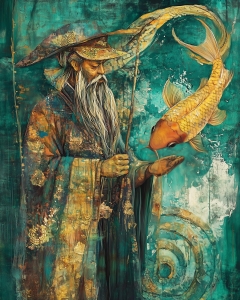





Core Philosophy
Feng shui is based on chi, the invisible energy in all things. Balanced chi brings health, happiness, and success. Blocked or stagnant chi can cause problems in health, finances, or relationships. Feng shui teaches that our environment reflects our inner life. By arranging our spaces, we can improve our well-being and life circumstances.
Yin and Yang
Yin and yang are central to feng shui. Yin represents darkness, stillness, and calm. Yang represents light, activity, and energy. Both are equal and complement each other. A bedroom should be more yin, with soft lighting and calm colors, while a home office benefits from yang energy, with brighter lights and dynamic arrangements.
The Five Elements
The five elements—wood, fire, earth, metal, and water—represent types of energy. They interact in productive and controlling cycles.
Wood = growth, green, vertical shapes, plants. Encourages creativity.
Fire = passion, red, triangles, candles. Brings energy and recognition.
Earth = stability, yellow/brown, squares, ceramics. Promotes grounding and self-care.
Metal = clarity, white/gray/metal, circles. Supports organization and focus.
Water = wisdom, blue/black, wavy shapes, fountains. Enhances communication and career.
Understanding these cycles helps create balance in a space, allowing chi to flow smoothly.
Bagua Map
The bagua is an eight-sided map dividing a space into nine areas, each linked to a life aspect: wealth, fame, love, family, center, children, knowledge, career, helpful people. Overlaying the bagua on a floor plan shows which areas of a home affect each life aspect. Enhancing zones with colors, elements, or objects can improve the corresponding life area.
Different schools interpret bagua differently. The Classical School uses compass directions. The Western BTB School aligns it to the entrance, making it easier to apply without deep metaphysical knowledge.
Chi Flow and Space Arrangement
Chi should move smoothly through a space. Furniture, doors, and pathways affect this flow.
Entrance: Clear, well-lit, welcoming entrances bring positive chi. Cluttered entryways block energy.
Hallways: Should curve gently to avoid chi rushing. Straight corridors can be softened with plants or decorations.
Corners & clutter: Clean and organize to avoid stagnant chi.
Furniture: Arrange so movement is easy and important pieces like beds or desks are in a commanding position—see the door without being directly in line with it.
Symbolism and Intention
Objects in feng shui carry meaning. Mirrors can expand energy and light but shouldn’t face the bed. Water features symbolize abundance. Plants bring vitality. Feng Shui Artwork affects energy; positive images support relationships, while lonely or sad images can reinforce isolation.
Modern Use
Feng shui has adapted to Western lifestyles. Some combine traditional principles with modern design or psychology. Principles like light, air, order, and colors align with environmental psychology. Offices, shops, and public spaces also apply feng shui to improve flow, productivity, and success.
Practical Daily Tips
Declutter to allow chi to flow.
Prioritize entrance: clear, lit, welcoming.
Use light and air: open windows, maximize natural light.
Include living elements: healthy plants for vitality.
Choose meaningful objects that inspire and remove negative items.
Balance elements in your space.
Commanding position for bed, desk, stove—see the door.
Repair promptly: fix leaks or broken items to avoid energy drains.
Science and Skepticism
Feng shui’s metaphysical claims lack scientific proof. Chi as an energy force is unverified. Skeptics attribute benefits to organization, light, color, and psychology. Many principles, like natural light and clean spaces, do improve well-being, regardless of chi.
Cultural Respect
Western adaptations sometimes oversimplify feng shui. Respecting its origins and philosophy is important. Learning from knowledgeable teachers preserves its cultural depth, connected to Taoism, Confucianism, and traditional Chinese medicine.
Finding Personal Meaning
Feng shui encourages mindfulness in living spaces. It helps people organize, choose positive surroundings, and create environments that support well-being. Whether as metaphysical system or design guide, it reminds us that our spaces affect our inner life.
Conclusion
Feng shui is humanity’s ancient method of understanding and harmonizing with our surroundings. Whether taken literally or symbolically, it teaches that spaces matter. Small changes—clearing clutter, moving furniture, adding plants or light—can create balance, harmony, and a sense of control in our daily lives. This practical attention to our environment is feng shui’s enduring value.