

Minimalist Paintings for Living Room: The Ultimate Guide to Elegant Simplicity
Minimalist paintings are popular in modern interior design. They add style and interest to a room without being overwhelming. These artworks create a calm and clean look while adding visual appeal. Whether you are familiar with minimalism or just starting, knowing how to choose and display minimalist paintings can make your living room feel peaceful and well-organized.
Understanding Minimalist Art
Minimalist art started in the late 1950s and early 1960s as a reaction against the busy and emotional Abstract Expressionism style. Minimalist art uses simple shapes, limited colors, and clean lines. The goal is not to have less, but to focus on what is important.
In a living room, minimalist paintings can serve as a focal point without being distracting. They fit well with furniture and open up the space. Minimalist art shows that simple designs can have meaning and add depth to a room.


Why Choose Minimalist Paintings for Your Living Room
Creates Calm
Minimalist paintings reduce visual clutter, making the living room feel relaxing. Their simple shapes and limited colors help you feel calm and focused.
Timeless Style
Minimalist art does not go out of style. Its simple design works for many years, making it a good long-term choice for your home.
Works with Any Decor
Minimalist paintings match different styles, from Scandinavian and mid-century modern to industrial or classic. You can change furniture over time without replacing the art.
Makes Spaces Feel Larger
Light colors and simple designs can make small rooms feel bigger. In large rooms, they can define areas without adding physical barriers.
Popular Styles of Minimalist Paintings
Abstract Minimalism
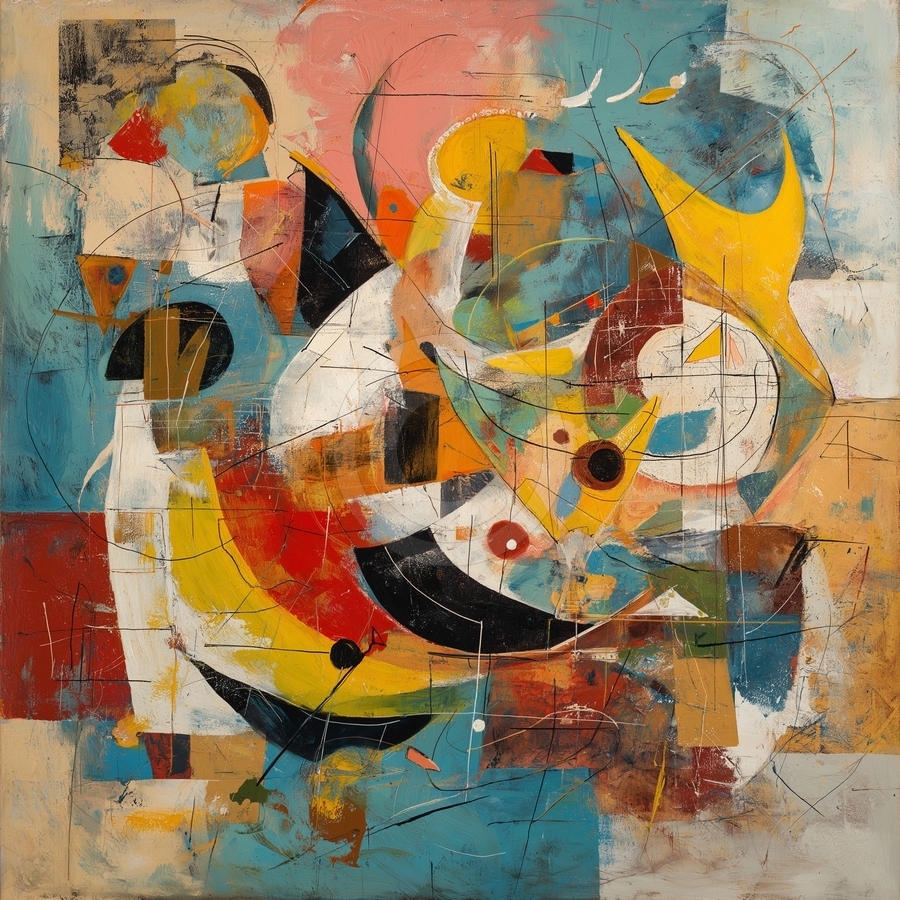
These paintings use shapes, lines, and colors without showing recognizable objects. They let viewers find their own meaning and create visual interest.
Monochromatic Works
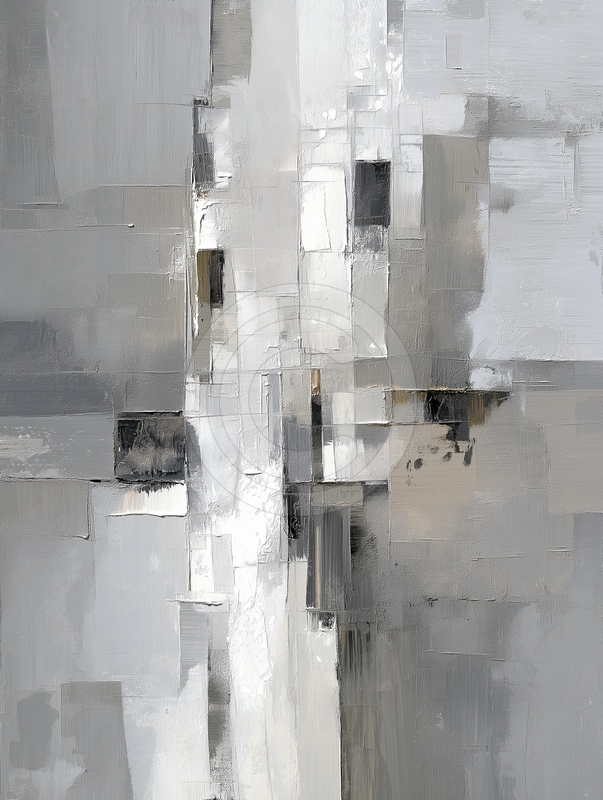
Paintings in one color or similar shades make a strong statement with simplicity. They work well with neutral furniture and walls.
Line Art
Simple line drawings are popular for minimalist decor. Abstract shapes, geometric patterns, or simplified figures add movement and style to living room walls.
Geometric Minimalism
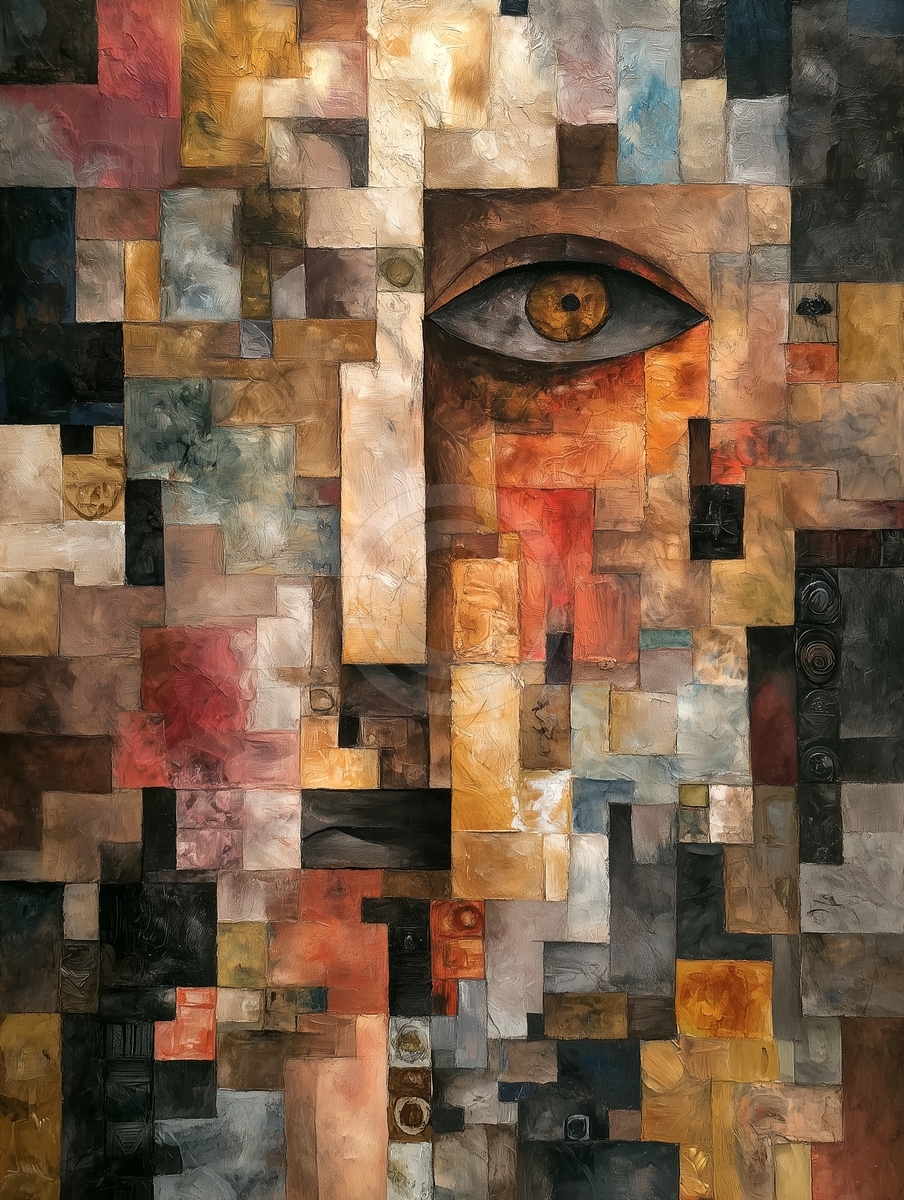
Shapes like squares, circles, and triangles arranged evenly create balance. Geometric art appeals to people who like order and structure.
Nature-Inspired Minimalism
Simple landscapes, horizons, or plant designs bring nature indoors while keeping a minimalist look. These paintings suggest nature without showing every detail.
Color Palettes for Minimalist Living Room Art
Neutral Colors
Whites, grays, beiges, and taupes match many interior designs and create a calm feeling. They are ideal for Scandinavian or all-white rooms.
Monochromatic Schemes
Using different shades of one color creates depth while staying simple. This helps tie a room’s color scheme together.
Earth Tones
Warm browns, greens, and terracotta add natural warmth and feel timeless. They pair well with wood, stone, or linen furniture.
Accent Colors
A single painting with a strong color like yellow, burgundy, or green can become a focal point. One accent is enough to add energy without clutter.
Black and White
High-contrast black and white paintings are striking and work with many styles. This combination is classic and never goes out of style.
Choosing the Right Size
Proportion
Your painting should fit the space. A good rule is two-thirds to three-quarters of the width of the furniture below it. For a 7-8 feet sofa, choose art 4.5-6 feet wide.
Large Pieces
Big paintings work well in large rooms with high ceilings. Leave 6-8 inches between the painting and furniture or wall edges.
Gallery Walls
Multiple smaller pieces can form a gallery wall. Keep spacing consistent and use similar frames or colors for a clean look.
Orientation
Vertical paintings make ceilings seem higher. Horizontal paintings highlight width. Choose based on the wall and room size.
Placement and Display
Above the Sofa
Place the bottom 6-8 inches above the sofa. Center the piece unless you want an asymmetrical look.
Focal Walls
Pick one wall for your main display. Keep other walls simple to maintain calm.
Leaning Art
Leaning paintings against walls or furniture looks modern and casual. This works well on floors, mantels, or consoles.
Lighting
Use picture lights, track lighting, or floor lamps to highlight paintings. Avoid direct sunlight and consider dimmable lights.
Height
Center art at eye level, usually 57-60 inches from the floor. Adjust when hanging above furniture.
Combining with Other Decor
Furniture
Minimalist art works best with simple furniture. Avoid ornate pieces that distract.
Textiles
Throw pillows, rugs, and fabrics should echo the colors or textures of your paintings.
Plants
Greenery adds life. Use simple pots that match the minimalist style.
Decorative Objects
Include a few objects like vases or bowls. Space around them is important.
Layered Lighting
Combine ambient, task, and accent lights. They highlight art and provide practical lighting.





DIY or Buying
DIY
Minimalist art is simple to make at home. Use color blocks, palette knives, or monochrome pours. Imperfections can add character.
Use canvas, acrylic paints, and basic brushes. Online tutorials show beginner to advanced techniques, including abstract styles.
Buying
Websites like Etsy, Saatchi Art, and Minted sell many options. Filter by size, color, and style. Some artists accept commissions. Local galleries let you see art in person. Art fairs showcase emerging artists. Original pieces by established artists can also be an investment. Limited edition prints are affordable and collectible.
Framing and Presentation
Frames
Use simple wooden or metal frames. Let the art stand out. Thin metal frames can look modern and light.
Mats
White or off-white mats give space around art. Wide mats suit larger pieces.
Frameless
Gallery-wrapped canvases or plexiglass displays create a modern look without frames.
Care and Maintenance
Cleaning
Dust with a soft, dry cloth. Avoid water unless recommended. For glass, clean with cloth, not directly.
Environment
Avoid direct sunlight and keep humidity stable. Don’t place above heaters or vents.
Rotation
Rotate displayed art to refresh the room. Store extra pieces in acid-free materials in a climate-controlled space.
Budgeting
Affordable
Printable art costs $5-30. Retail stores sell prints for $20-100.
Mid-Range
Original works by emerging artists are $200-1,000. Limited edition prints are $150-500.
Investment
Established artists’ works range $1,000+. Commissioned art starts around $500 and goes up with size and complexity.
Current Trends
Organic Minimalism
Minimalist art with natural shapes and textures adds warmth. Examples include simple landscapes or abstract organic forms.
Textured Minimalism
Artists add dimension with layered paints or mixed media. Light and shadow change the appearance throughout the day.
Digital Art
Minimalist digital art uses algorithms to create patterns, gradients, and colors. Available as prints or on digital frames.
Sustainable Art
Artists use eco-friendly materials like reclaimed canvases, natural pigments, and non-toxic paints.
Creating Cohesion
Use similar frames, colors, or themes in other rooms. This creates a connected look throughout your home.
Final Thoughts
Minimalist paintings do more than decorate. They create calm, focus, and style. Choose art that fits your space and taste. Start with one piece and build your collection over time. Minimalism is about making your home work for you. Choose pieces that make you feel happy and relaxed.