

Modern Abstract Paintings for Living Room: A Complete Guide to Transforming Your Space
Abstract art has changed interior design. It allows homeowners to add personality, color, and style to their living rooms. The living room is the main area of the home, so it deserves artwork that enhances the space. Modern abstract paintings are popular for creating eye-catching and stylish interiors that feel contemporary.
Understanding Modern Abstract Art
Modern abstract painting does not focus on realistic representation. Instead, it uses shapes, colors, brushwork, and texture to create interest and emotion. Movements like Abstract Expressionism, Color Field, and Minimalism influenced this style, which continues to offer many ways to express personal style in interior design.
Unlike traditional art, abstract paintings allow each viewer to interpret them in their own way. This makes them flexible for different living room designs. A single piece can connect differently with each family member while still fitting the room’s overall style.


Why Abstract Paintings Work Well in Living Rooms
Living rooms are used for relaxing, entertaining, and socializing. Abstract paintings work well here for several reasons.
Visual Focal Points: A well-chosen abstract painting becomes the room’s center of attention. It draws the eye and gives structure to the layout. Large paintings attract attention without dominating the room.
Versatility Across Styles: Abstract art fits many styles, including Scandinavian, industrial, mid-century modern, or eclectic. Its non-representational nature helps it blend with different decor.
Emotional Impact: Abstract art communicates through color, movement, and design instead of subject matter. Bright colors can energize a room, while soft colors can make it calm.
Conversation Starter: Guests often notice abstract paintings and discuss them. This makes them ideal for social living spaces.
Choosing the Right Size
The size of a painting affects how it fits in your living room. The right scale helps the room feel balanced.
Large Statement Pieces: For big walls, choose paintings 48 inches or larger. They work well above sofas, mantels, or on feature walls. Aim for artwork to cover about two-thirds to three-quarters of the furniture width below it.
Medium-Size Pieces: Paintings 24 to 48 inches are suitable for most living rooms. They add interest without taking too much space.
Gallery Walls: Multiple small paintings can be arranged together for a personal display. Mixing sizes and styles works if you curate carefully. This is good for eclectic or maximalist rooms.
Vertical Space: Consider ceiling height. High ceilings suit tall or vertical paintings, drawing the eye upward and highlighting the room’s architecture.
Color and Coordination
Choosing the right colors is essential. Good colors tie a room together; wrong colors can clash.
Complementary Colors: Pick paintings with colors that match or complement your room’s palette. For example, if you have navy furniture and gold accents, a painting with blues, golds, or warm neutrals will harmonize.
Contrast: A bright abstract can stand out in a neutral room. This adds energy and visual interest.
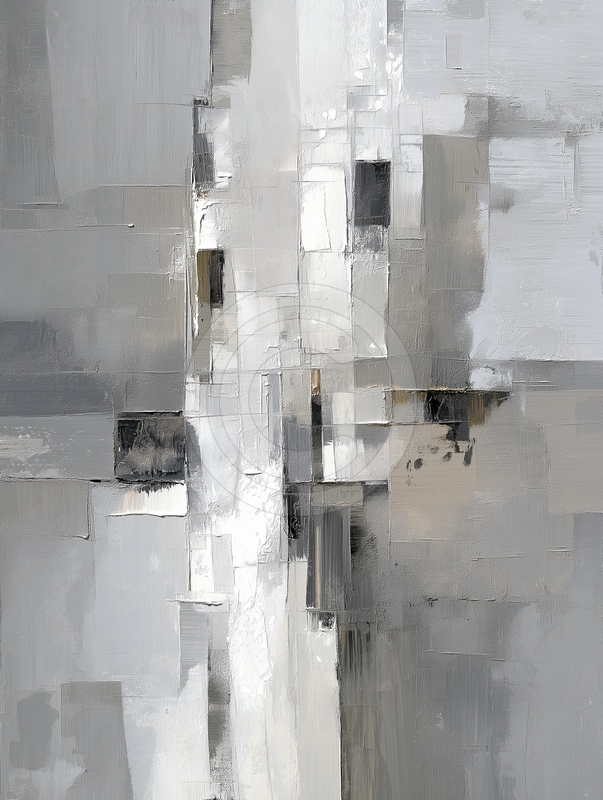
Monochrome: Black, white, or gray paintings suit modern or minimalist spaces. They add texture and shape interest without strong color.
Warm and Cool Tones: Warm colors like red, orange, and yellow create energy, while cool colors like blue, green, and purple create calm. Balance both when possible.
Popular Styles
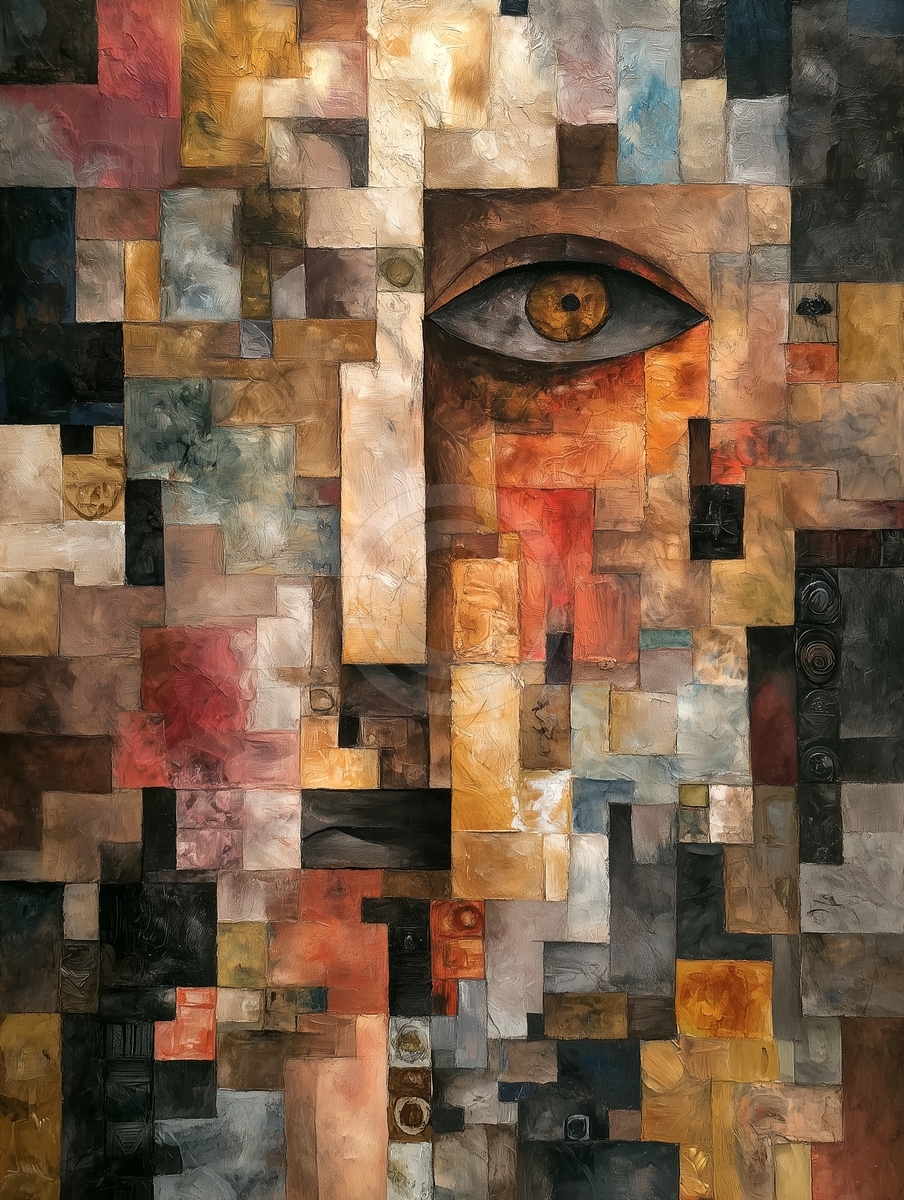
Geometric Abstraction: Uses shapes and clean lines. Works well with modern furniture and adds order to a room.
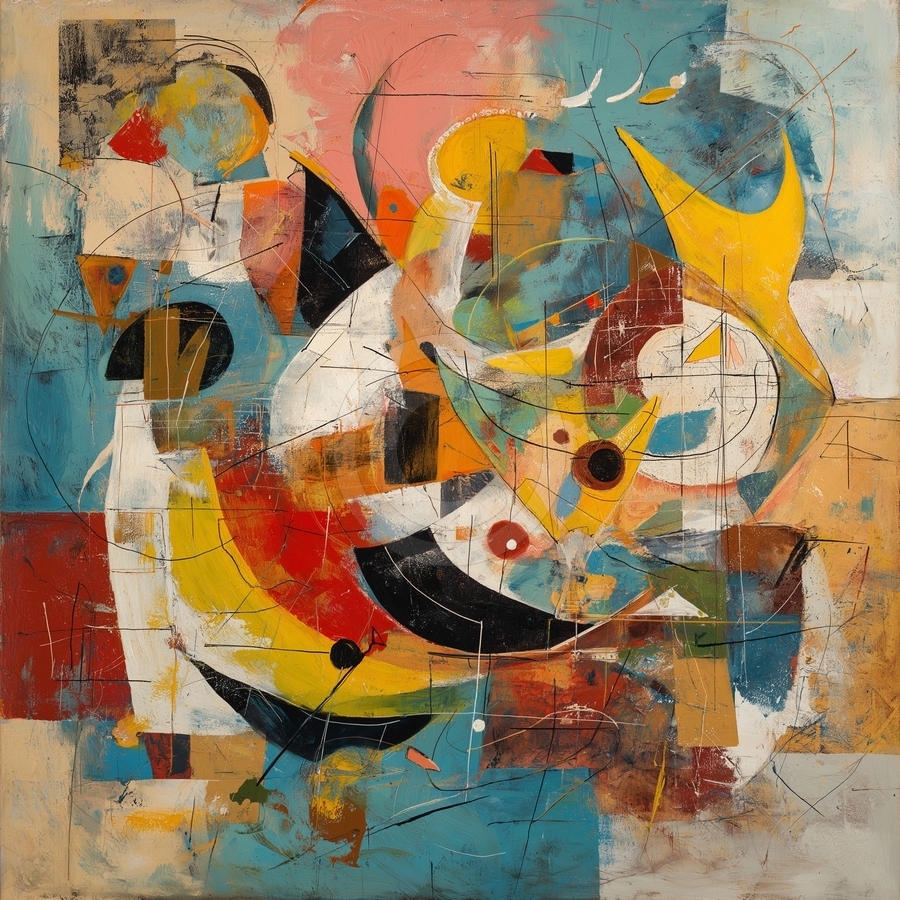
Gestural Abstraction: Bold brushstrokes and dynamic marks add energy and movement. These pieces are good for creative or lively homes.
Color Field: Large areas of solid color create calm and focus. Ideal for minimalist or relaxing spaces.
Textured Abstraction: Thick paint or mixed media adds depth and changes appearance as light shifts.
Minimalist Abstraction: Simple, reduced forms. Works well in clean, modern spaces.
Placement and Hanging
Above the Sofa: Hang the painting so its center is at eye level (57–60 inches). Leave 6–12 inches between the sofa and painting.
Fireplace Mantel: Balance the painting size with the mantel and keep it away from heat.
Feature Walls: Use one wall for a large painting or collection to define the space.
Other Locations: Above console tables or behind TVs can create interest. Avoid direct sunlight.
Lighting: Use natural light carefully and consider picture lights or adjustable track lighting.
Framing
Float Frames: Creates a modern floating look with space between frame and canvas.
Gallery Wrap: Canvas wraps around edges with no frame for a minimalist look.
Traditional Frames: Wood or metal frames add formality and protection.
No Frame: Large paintings can also hang unframed for a modern effect.
Coordinating with Decor
Furniture: Arrange seating to face the painting. Let its colors inspire cushions or rugs.
Textiles: Rugs, curtains, and fabrics can echo the painting’s colors.
Sculptures: Small objects can complement the painting without competing.
Plants: Greenery balances abstract shapes and adds life to the room.





Budget and Sourcing
Original Paintings: Unique works from artists, potentially appreciating in value.
Limited Edition Prints: Affordable, signed reproductions from known artists.
High-Quality Reproductions: Affordable prints of famous works with good quality.
Commissioned Work: Custom-made paintings to fit your room perfectly.
Online Marketplaces: Many platforms allow buying directly from artists with delivery options.
Care and Maintenance
Cleaning: Dust gently with soft, dry cloths. Avoid water or chemicals.
Environment: Keep stable temperature and humidity. Avoid direct sunlight, heating vents, or damp areas.
Inspection: Check for cracks, flaking paint, or sagging canvas regularly.
Insurance: Add valuable artwork to insurance for protection.
Emerging Trends
Digital Art: Tech-created abstracts for modern homes.
Sustainable Materials: Eco-friendly paints and canvases.
Large Scale: Oversized paintings that fill walls.
Mixed Media: Paintings using fabric, metal, or found objects.
Minimalist Revival: Simple colors and shapes are becoming popular again.
Conclusion
Modern abstract paintings are versatile, emotional, and visually impactful. They can make living rooms stylish and personal, whether bold or calm.
Choose pieces based on size, color, style, and placement, and trust your taste. Take time to decide and pick art that speaks to you.
With thoughtful selection, proper display, and care, abstract art can create living spaces that are inspiring, comfortable, and truly feel like home.