Abstract Painting Ideas for Living Room: A Complete Guide to Transforming Your Space
Abstract art has the unique power to transform a living room from ordinary to extraordinary. Unlike representational art, abstract paintings don't depict recognizable subjects—instead, they communicate through color, form, texture, and composition. This freedom makes abstract art incredibly versatile for interior design, allowing homeowners to express personality, set mood, and create visual interest in their living spaces.
Whether you're an aspiring artist looking to create your own piece or a homeowner searching for the perfect artwork, this comprehensive guide explores inspiring abstract painting ideas specifically tailored for living room environments.
Why Abstract Art Works Perfectly in Living Rooms
Living rooms serve as the heart of the home—spaces for relaxation, entertainment, and conversation. Abstract paintings complement these functions beautifully because they're open to interpretation, sparking dialogue and allowing each viewer to connect with the piece personally. A well-chosen abstract painting can serve as a focal point, tie together a color scheme, or add that finishing touch that makes a room feel complete.
Abstract art also offers unmatched flexibility. Whether your living room style is modern minimalist, bohemian eclectic, industrial chic, or traditional elegance, there's an abstract painting approach that will enhance your aesthetic.
Color-Based Abstract Painting Ideas
Monochromatic Elegance
Monochromatic abstract paintings use variations of a single color family, creating sophisticated and calming compositions. Consider deep navy blues with lighter cerulean accents for a serene coastal feel, or explore charcoal grays fading into soft silver for contemporary elegance. These pieces work exceptionally well in minimalist living rooms or spaces where you want the art to provide visual interest without overwhelming other design elements.
For your living room, a large-scale monochromatic piece above the sofa can create a sense of cohesion and tranquility. The subtle tonal variations add depth without competing with your furniture or décor.
Bold Primary Colors
Embrace energy and vibrancy with abstract paintings featuring primary colors—red, blue, and yellow. These bold compositions inject personality and dynamism into living spaces. Think of gestural brushstrokes in bright red against white backgrounds, or geometric blocks of primary colors reminiscent of Mondrian's style but with a contemporary twist.
Primary color abstracts work beautifully in modern or mid-century modern living rooms, complementing clean lines and simple furniture. They're particularly effective in spaces that might otherwise feel too neutral or sterile.
Earthy and Natural Palettes
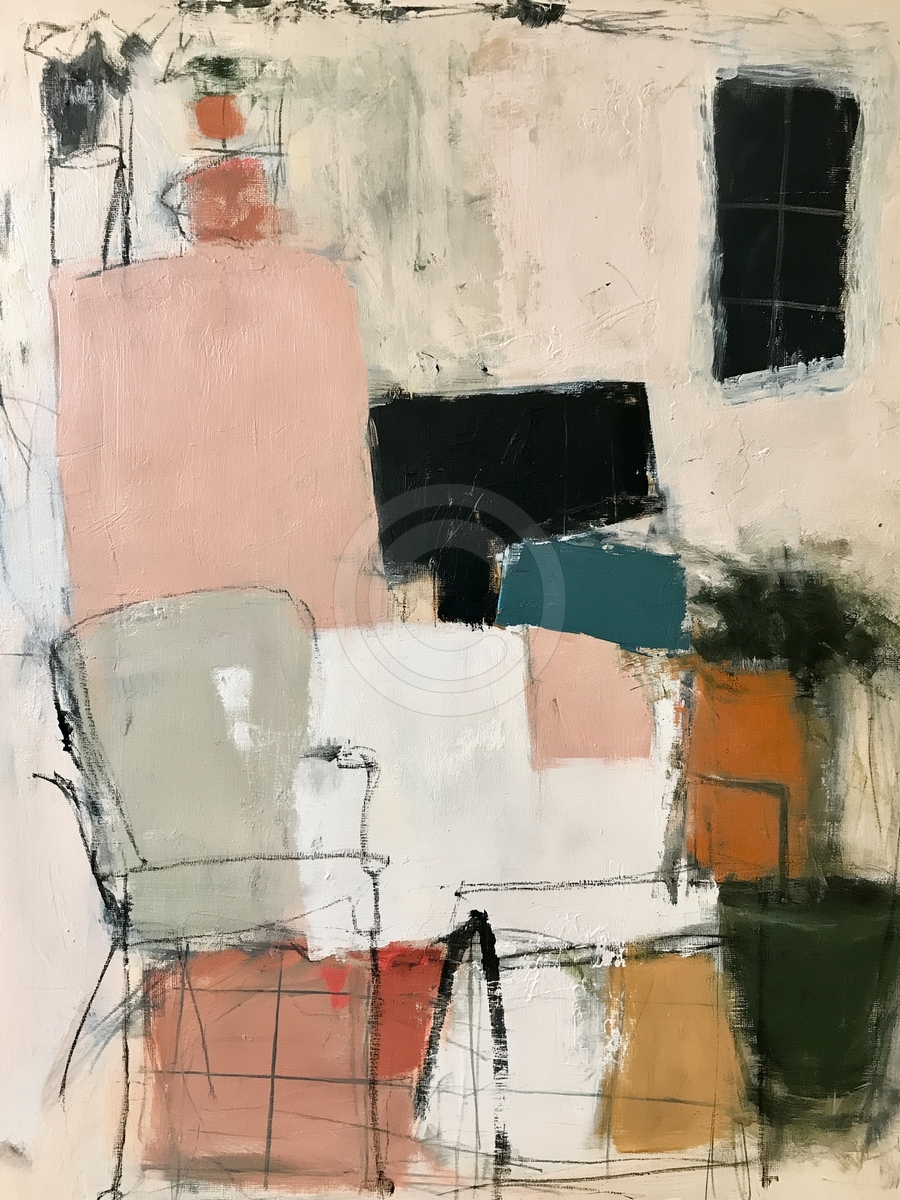
For living rooms with organic, bohemian, or rustic aesthetics, abstract paintings in earthy tones create warmth and connection to nature. Terracotta oranges, sage greens, warm ochres, deep browns, and creamy beiges blend beautifully together. These colors evoke desert landscapes, forest floors, or sun-baked clay, bringing an grounded, comfortable feeling to your space.
Layer these earthy abstracts with natural textures like jute rugs, wooden furniture, and linen upholstery for a cohesive, inviting atmosphere.
Jewel Tones for Drama
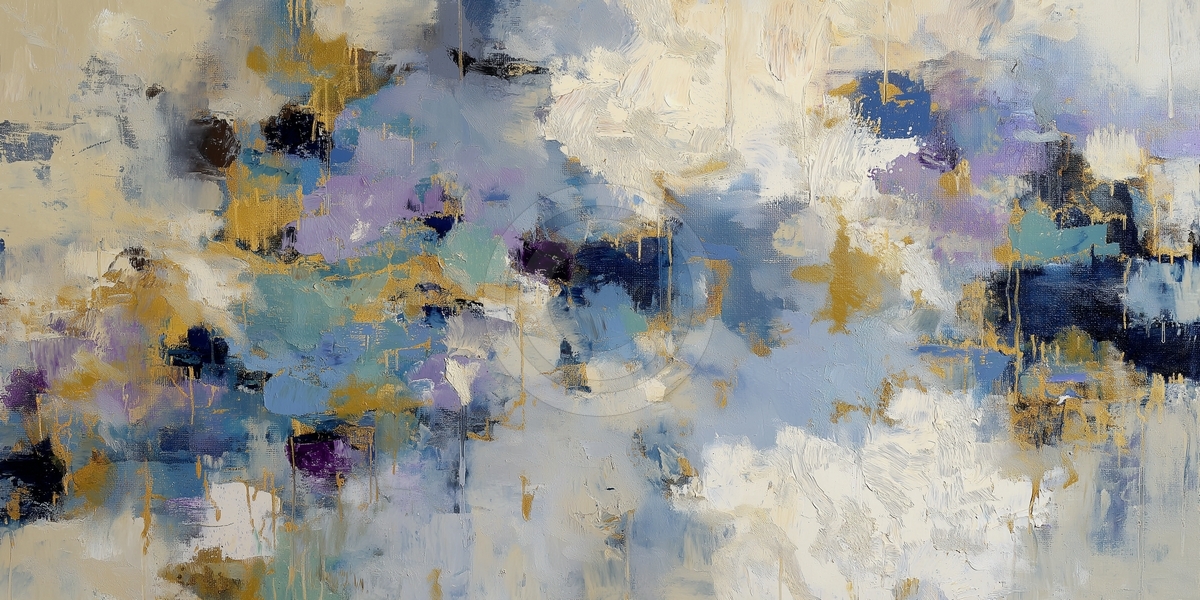
Emerald green, sapphire blue, ruby red, and amethyst purple create luxurious, dramatic abstract paintings perfect for living rooms with a glamorous or maximalist aesthetic. These rich, saturated colors add depth and sophistication, especially when combined with metallic gold or silver accents within the painting.
Jewel-toned abstracts pair beautifully with velvet furniture, brass fixtures, and ambient lighting that enhances their luminous quality.
Pastel Serenity
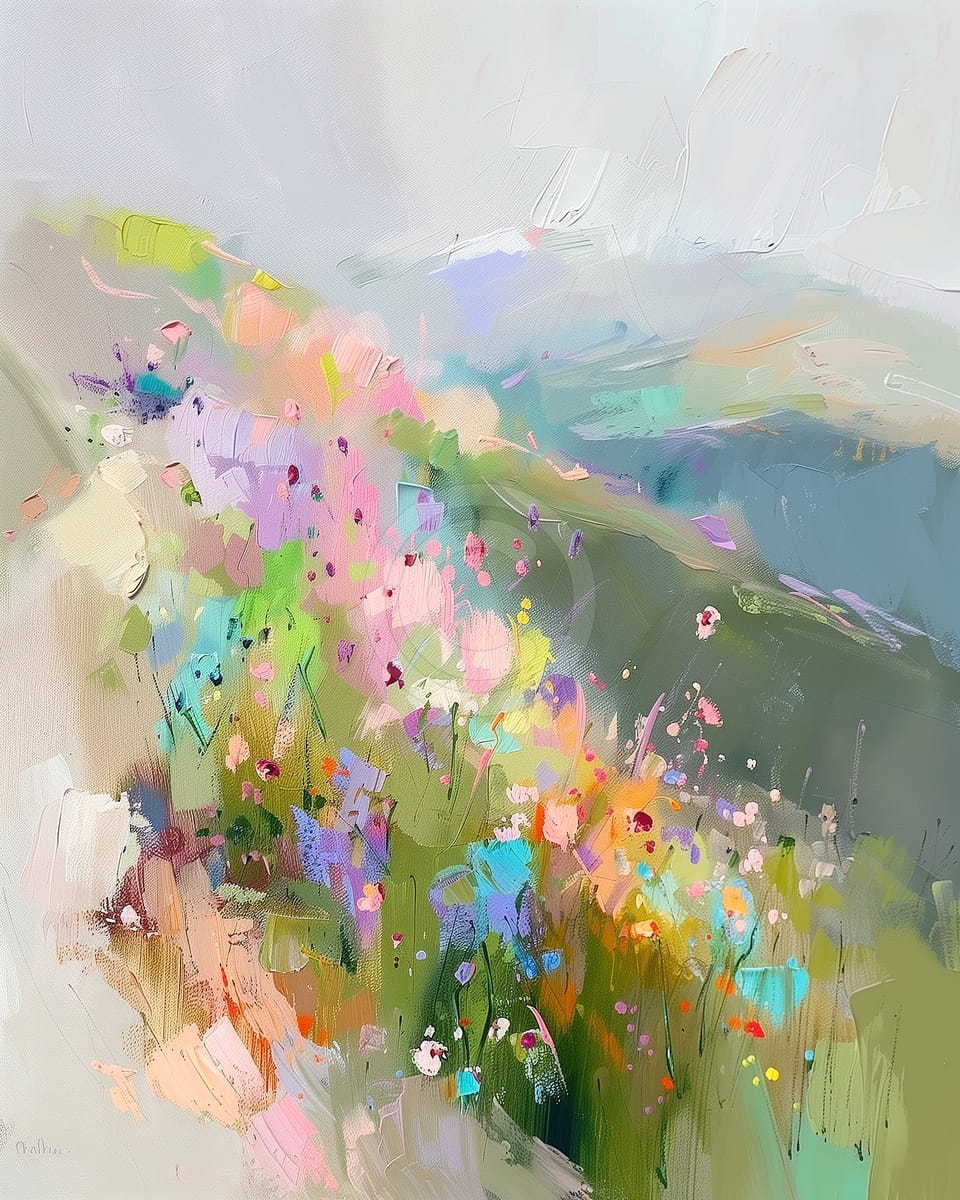
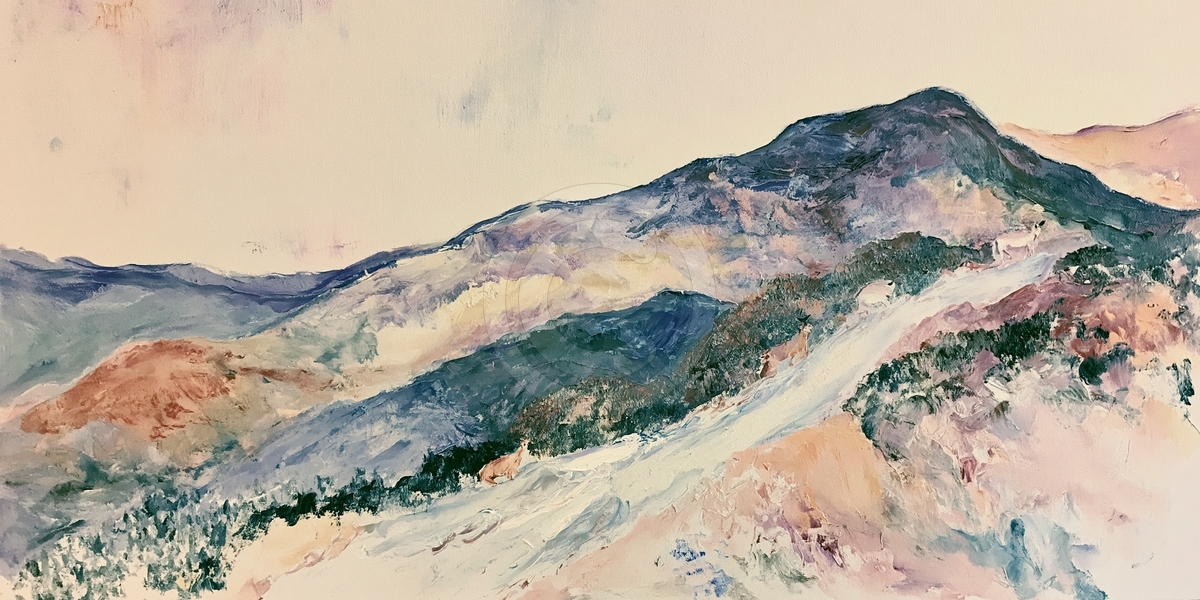
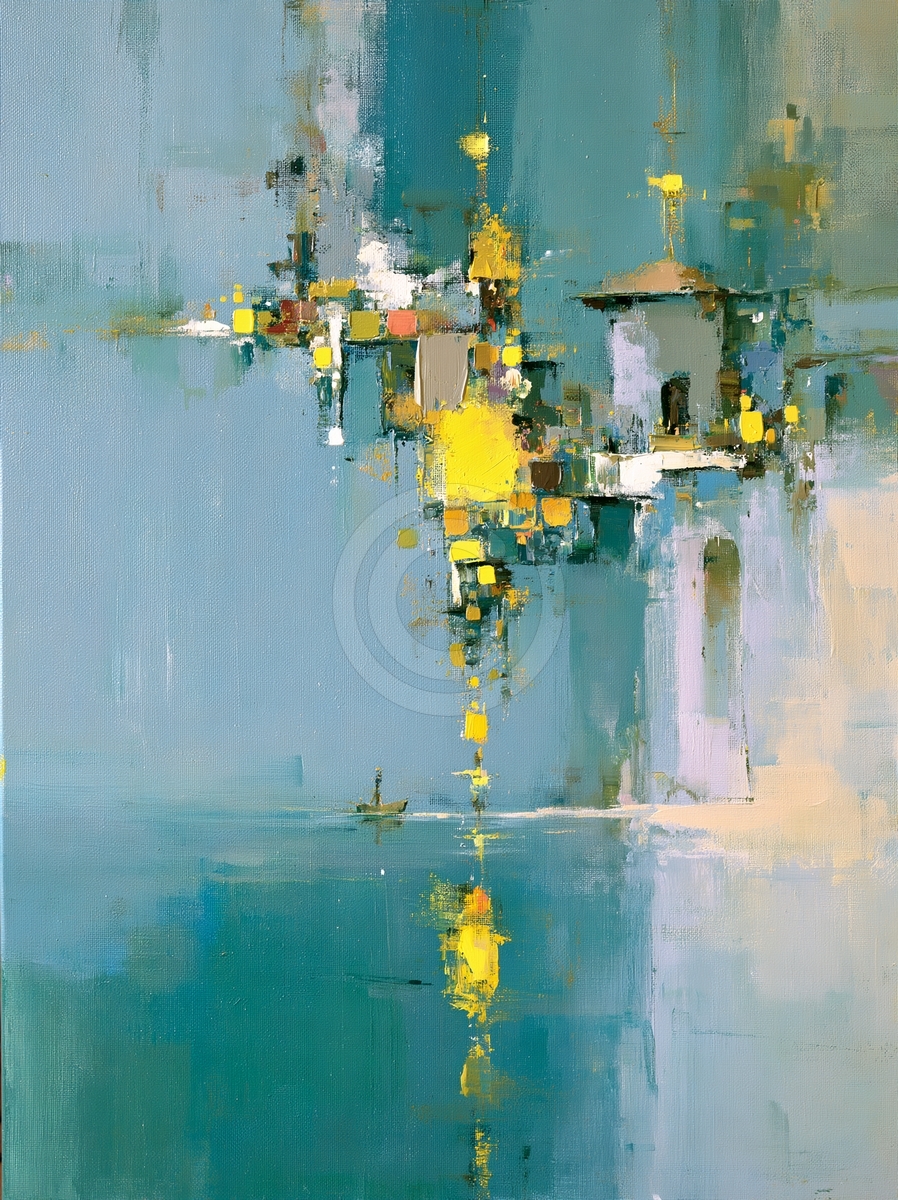
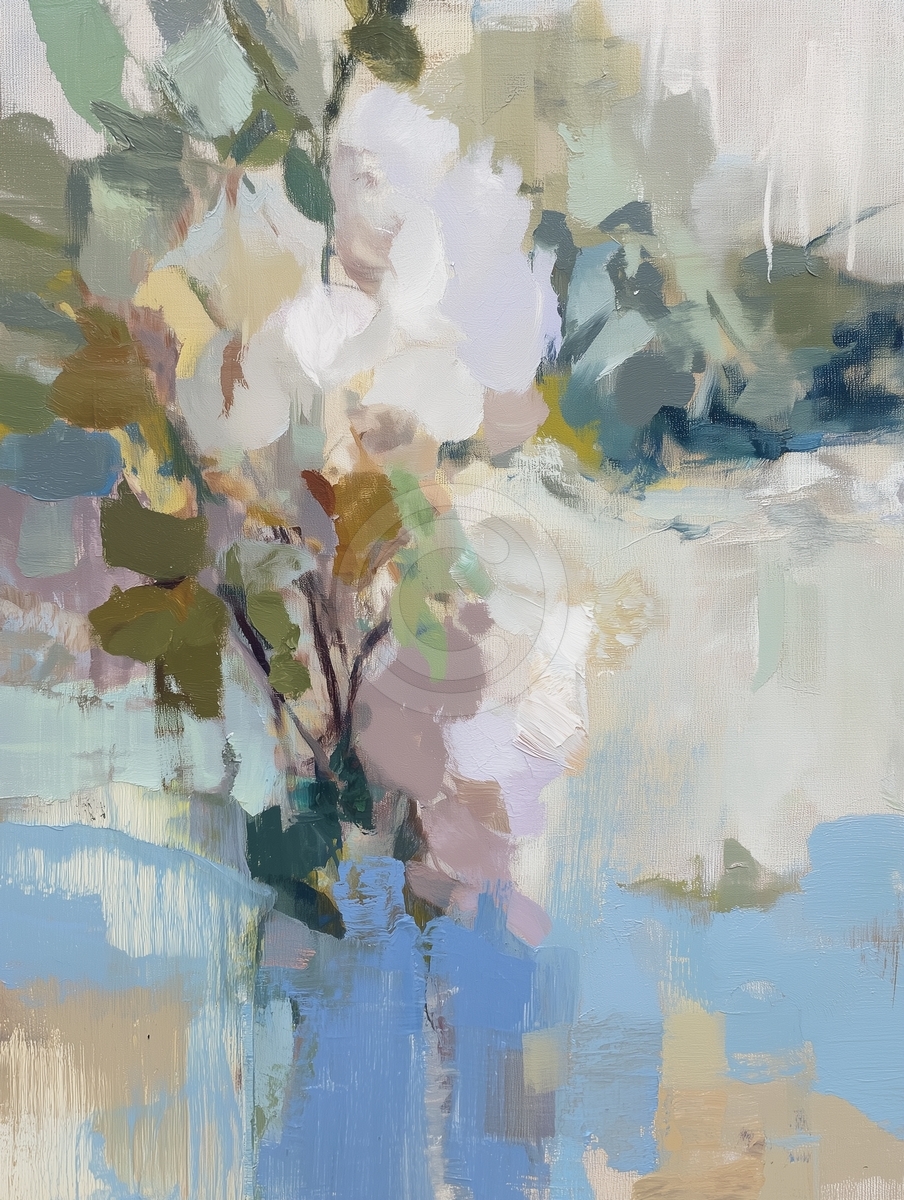
Soft pastels—blush pink, powder blue, mint green, and lavender—create dreamy, tranquil abstract compositions ideal for living rooms designed as peaceful retreats. These gentle colors can be blended softly together or separated into distinct sections, offering versatility in style while maintaining a calming presence.
Pastel abstracts work wonderfully in Scandinavian-inspired spaces, shabby chic rooms, or any living area where relaxation is the primary goal.
Technique-Based Abstract Painting Ideas
Fluid Art and Poured Acrylics
Fluid art techniques create mesmerizing organic patterns that resemble marble, agate slices, or cosmic nebulas. By pouring thinned acrylic paints onto canvas and tilting or manipulating the surface, artists create unpredictable, flowing designs with cells, swirls, and intricate color interactions.
For living rooms, large-scale fluid art pieces become conversation starters. The natural movement in these paintings adds dynamic energy while the organic patterns feel soothing rather than chaotic. Choose colors that complement your existing palette—oceanic blues and greens for coastal themes, or metallics with deep purples for a more luxurious feel.
Geometric Abstractions
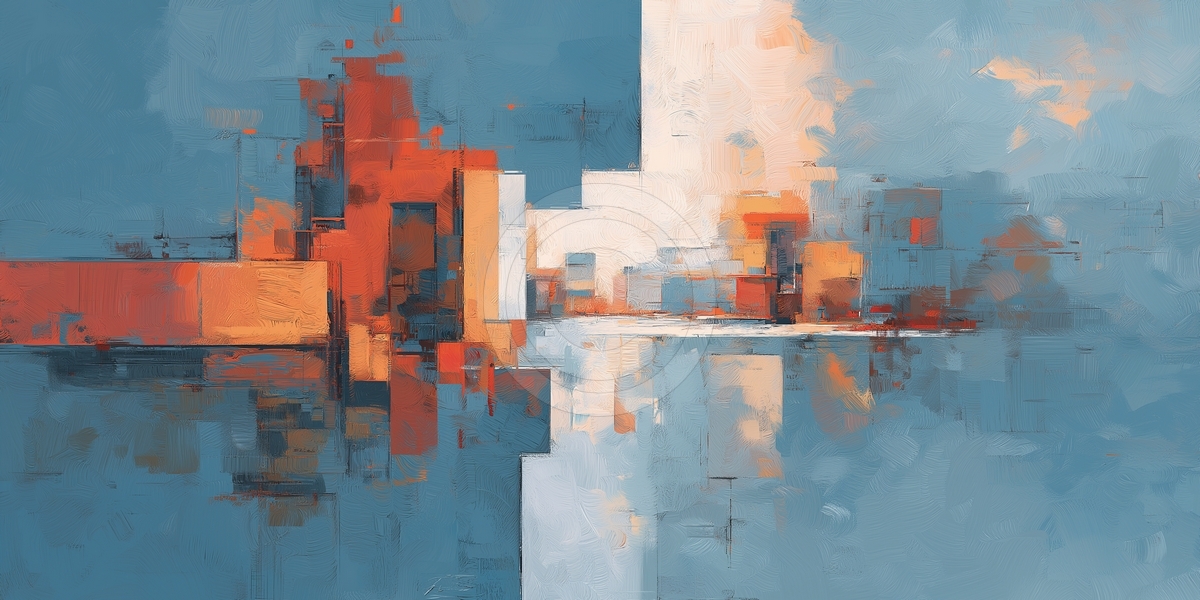
Geometric abstract paintings use shapes, lines, and patterns to create structured compositions. Think circles, triangles, rectangles, and hexagons arranged in balanced or asymmetrical configurations. These pieces can be hard-edged and precise or slightly irregular for a hand-painted feel.
Geometric abstracts are perfect for modern, contemporary, or mid-century living rooms. They complement architectural features and work especially well in spaces with strong lines and minimalist furniture. Consider diptychs or triptychs where geometric patterns flow across multiple canvases.
Textured and Impasto Techniques
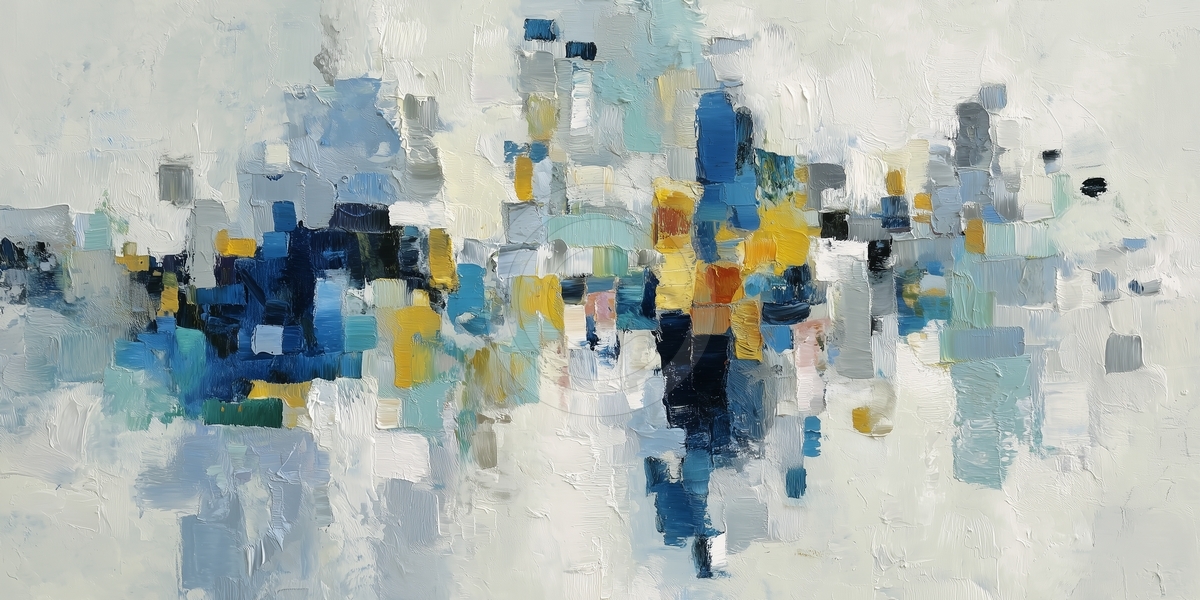
Impasto involves applying paint thickly so brushstrokes or palette knife marks remain visible, creating dramatic three-dimensional texture. These tactile paintings add physical depth to walls, catching light differently throughout the day and creating visual interest from multiple angles.
In living rooms, textured abstract paintings add warmth and authenticity. They're particularly effective above fireplaces or as focal points on feature walls where lighting can enhance their dimensional quality. White or neutral impasto paintings work beautifully in minimalist spaces, while colorful textured pieces suit eclectic rooms.
Brushstroke and Gestural Abstracts
Expressive, visible brushstrokes convey emotion and movement. These paintings might feature bold, sweeping marks, delicate layered strokes, or spontaneous gestural movements. The energy of the artist's hand becomes part of the artwork's appeal.
For living rooms, gestural abstracts bring vitality and human connection. They prevent spaces from feeling too cold or overly designed. Large-scale gestural pieces work particularly well above sofas or opposite entrance points where they immediately draw the eye.
Watercolor-Inspired Abstracts
Soft, bleeding colors that blend and bloom into each other create ethereal, contemplative abstract paintings. Whether created with actual watercolors or acrylics manipulated to achieve similar effects, these pieces have a lightness and airiness that opens up living spaces.
Watercolor-style abstracts suit living rooms where you want to maintain an open, breathable feeling. They're excellent choices for smaller spaces or rooms with limited natural light, as their luminous quality prevents visual heaviness.
Composition and Layout Ideas
Large-Scale Single Canvas
A single oversized abstract painting makes a powerful statement. Pieces measuring 48 inches wide or larger command attention and can anchor an entire living room's design. When selecting or creating a large-scale abstract, ensure it's proportional to your wall space—generally, artwork should cover about two-thirds to three-quarters of the furniture width below it.
Large abstracts work best as sole focal points. Keep surrounding walls relatively clear to let the piece breathe and maintain visual impact.
Diptychs and Triptychs
Splitting abstract compositions across two or three canvases creates interesting visual rhythm while allowing for flexible arrangements. Diptychs offer symmetry or contrast, while triptychs can show progression, variation, or tell a visual story across three panels.
These multi-panel arrangements work beautifully above sectional sofas or along long walls. Space panels 2-4 inches apart for cohesion while maintaining distinction between canvases.
Gallery Wall Arrangements
Curate a collection of smaller abstract paintings in various sizes for an eclectic, personalized gallery wall. Mix different styles, colors, and techniques while maintaining some unifying element—perhaps a consistent color thread, similar frames, or a cohesive mood.
Gallery walls allow you to showcase multiple pieces, add personality gradually over time, and create custom arrangements that perfectly fit your space. They work particularly well in living rooms with vintage, bohemian, or maximalist aesthetics.
Horizontal Panoramic Formats
Extra-wide, horizontally-oriented abstract paintings (such as 60x20 inches or similar ratios) create dramatic, cinema-like presence. These panoramic formats draw the eye across the composition, perfect for emphasizing horizontal architectural features or above low-profile furniture.
Panoramic abstracts with horizontal movement—sweeping brushstrokes, layered horizons, or flowing colors—enhance the format's natural tendency to guide vision laterally across the space.
Style-Specific Abstract Painting Ideas
Minimalist Abstracts
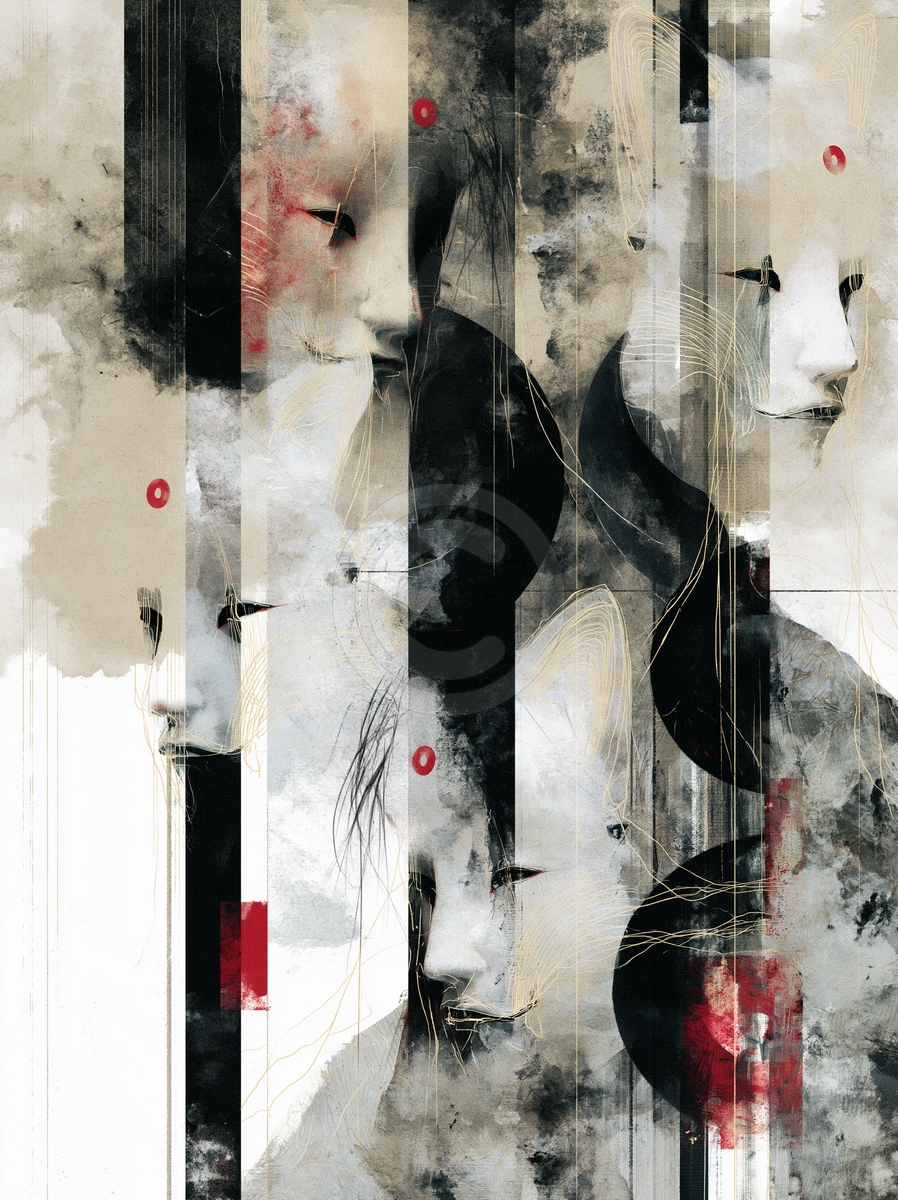
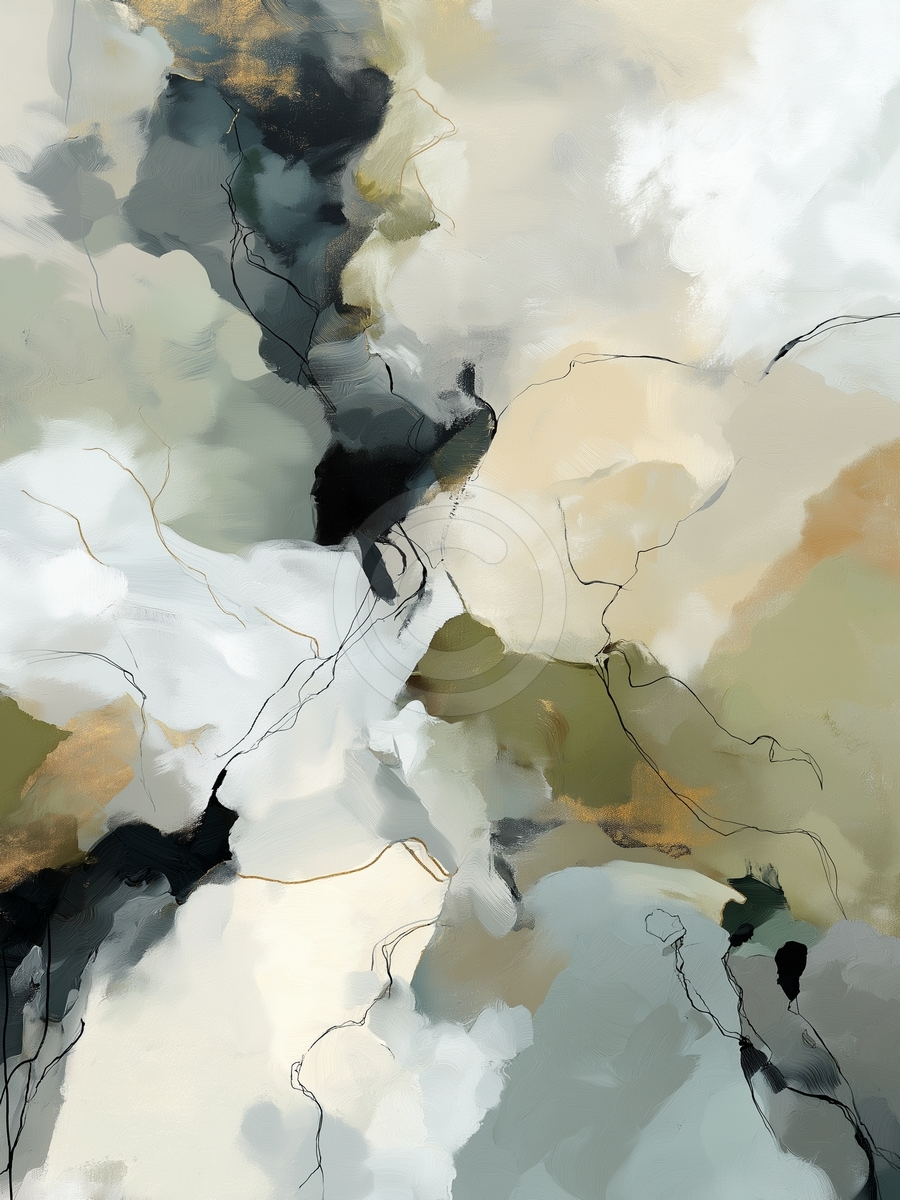
Embrace simplicity with limited color palettes, clean compositions, and plenty of negative space. Minimalist abstracts might feature a single bold mark on white canvas, subtle color field painting, or carefully balanced geometric elements. These pieces respect the "less is more" philosophy while still providing visual interest.
Perfect for contemporary living rooms, minimalist abstracts maintain peaceful, uncluttered aesthetics. They work beautifully in Scandinavian, Japanese-inspired, or modern minimalist interiors.
Expressionist Energy
Channel emotion through bold colors, dynamic brushwork, and intense visual energy. Expressionist abstracts prioritize feeling over form, using color and mark-making to convey mood, movement, and psychological depth.
These passionate pieces suit living rooms where you want atmosphere and personality. They're excellent conversation starters and work well in creative households or spaces with eclectic, personality-driven design.
Color Field Painting
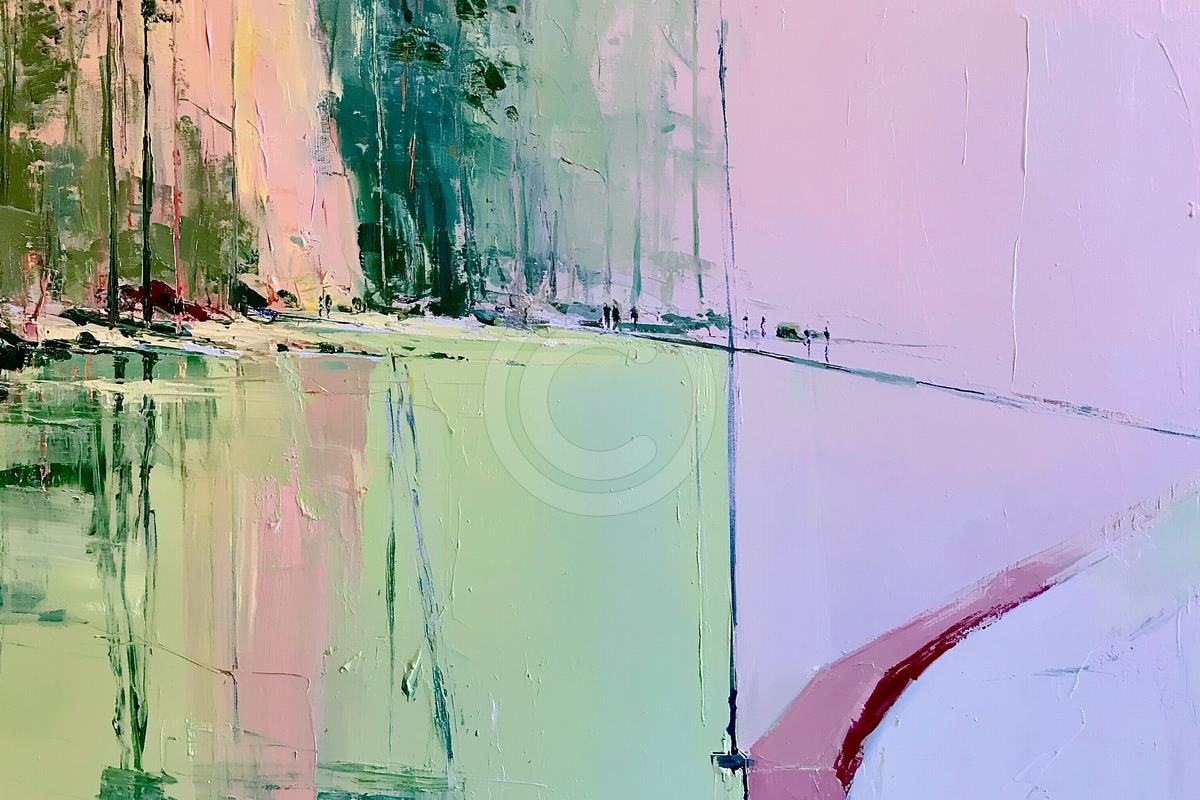
Large areas of solid or subtly varied color create meditative, immersive experiences. Color field abstracts emphasize the emotional and optical effects of color itself rather than representational content or complex composition. Think Mark Rothko's stacked rectangles or Helen Frankenthaler's stained canvases.
In living rooms, color field paintings create contemplative focal points. Their simplicity makes them versatile while their scale and color intensity ensure they don't disappear into the background.
Mixed Media Abstracts
Combine paint with collage elements, textured materials, found objects, or metallic foils for dimensional, tactile abstract art. Mixed media approaches add uniqueness and depth, ensuring your living room artwork is truly one-of-a-kind.
These pieces work wonderfully in eclectic or artistic living spaces where you want to showcase creativity and individuality. They're particularly effective when other design elements also mix materials—like rooms combining wood, metal, and fabric textures.
Creating Your Own Abstract Painting
Getting Started
Creating your own abstract painting for your living room offers complete customization and personal satisfaction. Start by measuring your intended space and selecting canvas size accordingly. Gather quality acrylic paints (they're beginner-friendly, fast-drying, and versatile), various brushes, palette knives, and protective covering for your workspace.
Before painting your final piece, create small studies on paper or inexpensive canvas boards. Experiment with color combinations, techniques, and compositions without pressure. This exploration phase helps you develop confidence and discover what resonates with you.
Choosing Your Colors
Select colors that complement your existing living room palette while considering the mood you want to create. Cool colors (blues, greens, purples) tend to calm and recede, making spaces feel larger. Warm colors (reds, oranges, yellows) energize and advance, creating intimacy and warmth.
Don't feel limited to pre-mixed colors. Part of abstract painting's joy is mixing custom hues that perfectly match your vision and space. Create harmony by limiting your palette to 3-5 colors plus white and black for tinting and shading.
Techniques to Try
Layering: Build depth by applying paint in multiple layers, allowing previous layers to dry before adding new ones. This creates complexity and richness.
Palette knife work: Use palette knives instead of brushes for bold, textured applications and interesting surface variations.
Splattering and dripping: Channel your inner Jackson Pollock by flicking paint onto canvas for energetic, spontaneous marks.
Masking: Use tape to create clean geometric edges or protect areas while you work on others.
Blending: Work wet-into-wet, blending colors directly on canvas for soft gradations and atmospheric effects.
Finishing Touches
Once your painting is complete and thoroughly dry, consider adding a protective varnish. This not only protects the surface from dust and UV damage but can also enhance colors and add a professional finish—choose matte, satin, or glossy depending on your preference.
Select framing thoughtfully. Floating frames create contemporary looks, traditional frames add formality, and leaving canvas unframed (with painted edges) offers casual modernity.
Placement and Display Tips
Height Matters
Hang abstract paintings so their center point is at eye level, typically 57-60 inches from the floor. This standard creates comfortable viewing in most living rooms. For pieces above furniture, leave 6-12 inches between the furniture top and the artwork's bottom edge.
Lighting Considerations
Proper lighting dramatically impacts how abstract art appears. Natural light brings out true colors but can cause fading over time, so avoid direct sunlight. Add picture lights, track lighting, or strategically placed lamps to highlight your artwork during evening hours. Experiment with lighting angles—side lighting emphasizes texture while front lighting showcases color.
Creating Balance
Balance your abstract painting with the room's other visual elements. If your painting is busy and colorful, keep surrounding areas relatively calm. Conversely, in neutral rooms, let your abstract art provide the drama and visual interest. Consider the painting's visual weight when arranging furniture and accessories.
Seasonal Rotation
Consider creating or collecting multiple abstract pieces and rotating them seasonally. Cooler tones and calmer compositions for summer, warmer hues and energetic pieces for winter. This approach keeps your living room feeling fresh while allowing you to enjoy various artworks throughout the year.
Finding Inspiration
Look beyond traditional art sources for inspiration. Nature offers endless abstract possibilities—the patterns in tree bark, ocean waves, cloud formations, or mineral crystals. Architecture, fabric patterns, cultural motifs, and even emotions or music can inspire abstract compositions.
Visit galleries and museums, scroll through online art platforms, and study artists who resonate with you. Notice what draws your eye, what colors make you feel certain ways, and what styles align with your living room's atmosphere.
Conclusion
Abstract painting for living rooms offers limitless creative possibilities. Whether you purchase artwork from emerging artists, commission custom pieces, or embark on your own creative journey, the right abstract painting transforms your living space into a personalized sanctuary that reflects your taste, mood, and vision.
Remember that there are no rigid rules in abstract art—what matters most is that your chosen or created piece speaks to you and enhances your daily experience of your living room. Trust your instincts, embrace color and texture, and allow abstract art to bring energy, emotion, and beauty into your home's most important gathering space.
Start exploring these ideas today, and discover how abstract painting can elevate your living room from simply functional to genuinely inspiring.