
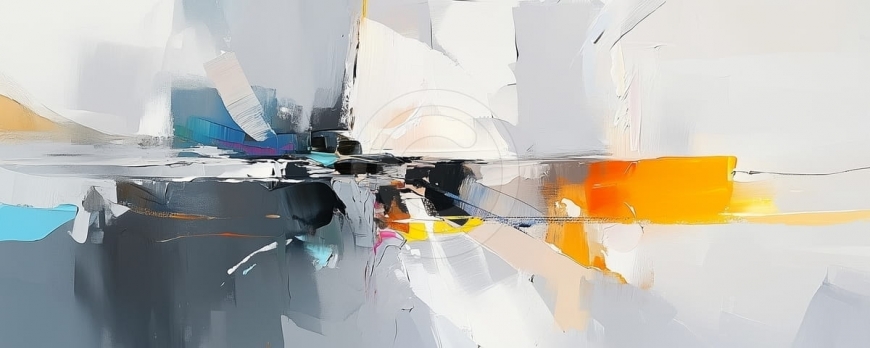
Large Abstract Paintings: When Art Takes Over the Room
There is a particular difference between seeing an abstract painting on a screen and seeing it occupy an entire wall. On a computer, we tend to notice the colors first. We might like the combination of deep blues and warm earth tones, the movement of the brushstrokes or the balance between geometric shapes and empty space. But when the same composition is enlarged and placed above a sofa, across from a dining table or on a completely empty wall, something changes. The painting is no longer simply an image that we look at. It becomes part of the room itself.
This is the special quality of large abstract paintings. Their size gives them a presence that smaller artworks often cannot achieve. Instead of asking the viewer to move closer to discover the details, a large canvas allows the composition to be experienced from across the room. Colors become more immersive, shapes become more architectural and individual brushstrokes can contribute to the overall movement of the space.
Large-scale abstraction has a long and important history in modern art. Artists such as Jackson Pollock demonstrated how dramatically scale could change the experience of a painting, while later artists continued to explore enormous canvases as environments rather than simply pictures. Pollock's Mural, for example, measures almost twenty feet across and represented a major breakthrough in the development of his abstract style.
Today, you do not need to visit a museum or gallery to experience that sense of scale. A large abstract canvas can bring the same idea into an ordinary home, turning an otherwise empty wall into the visual center of the room.
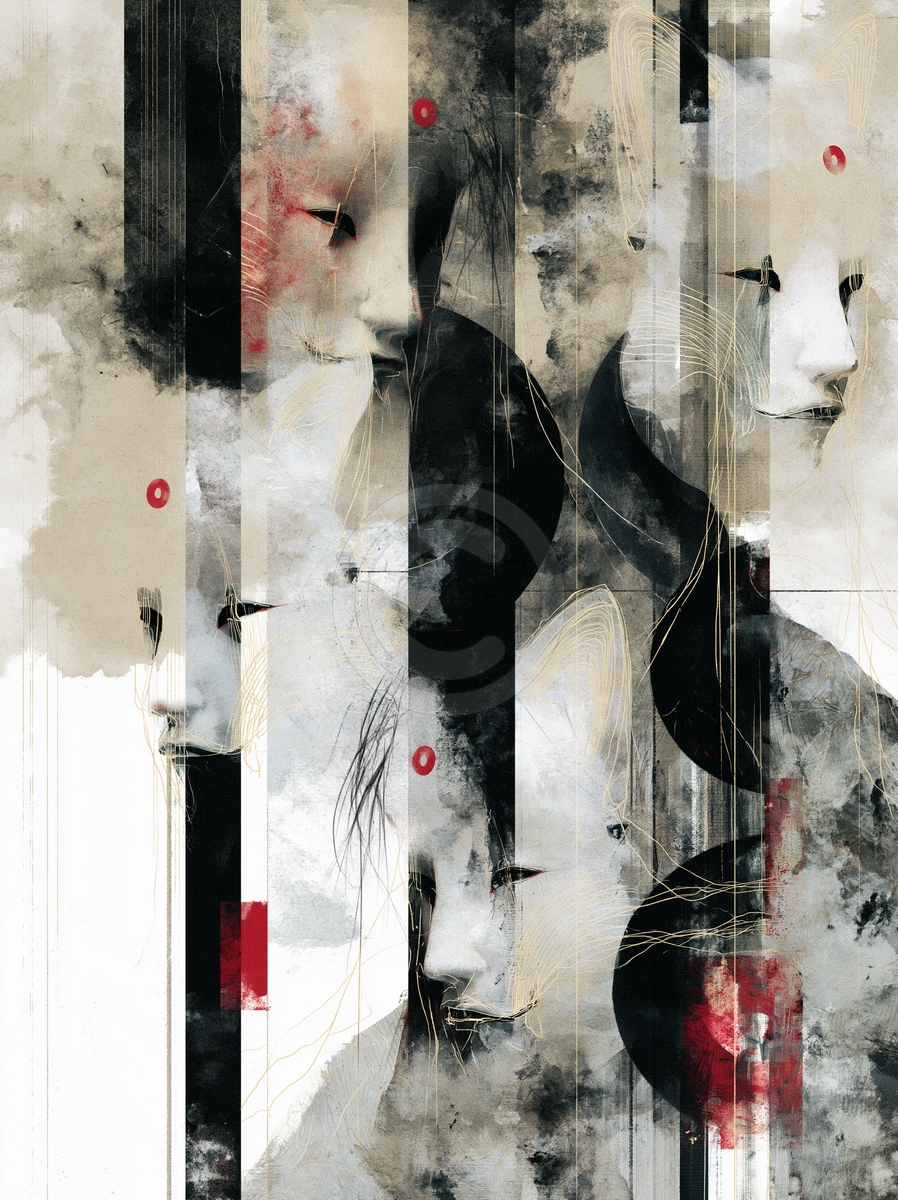
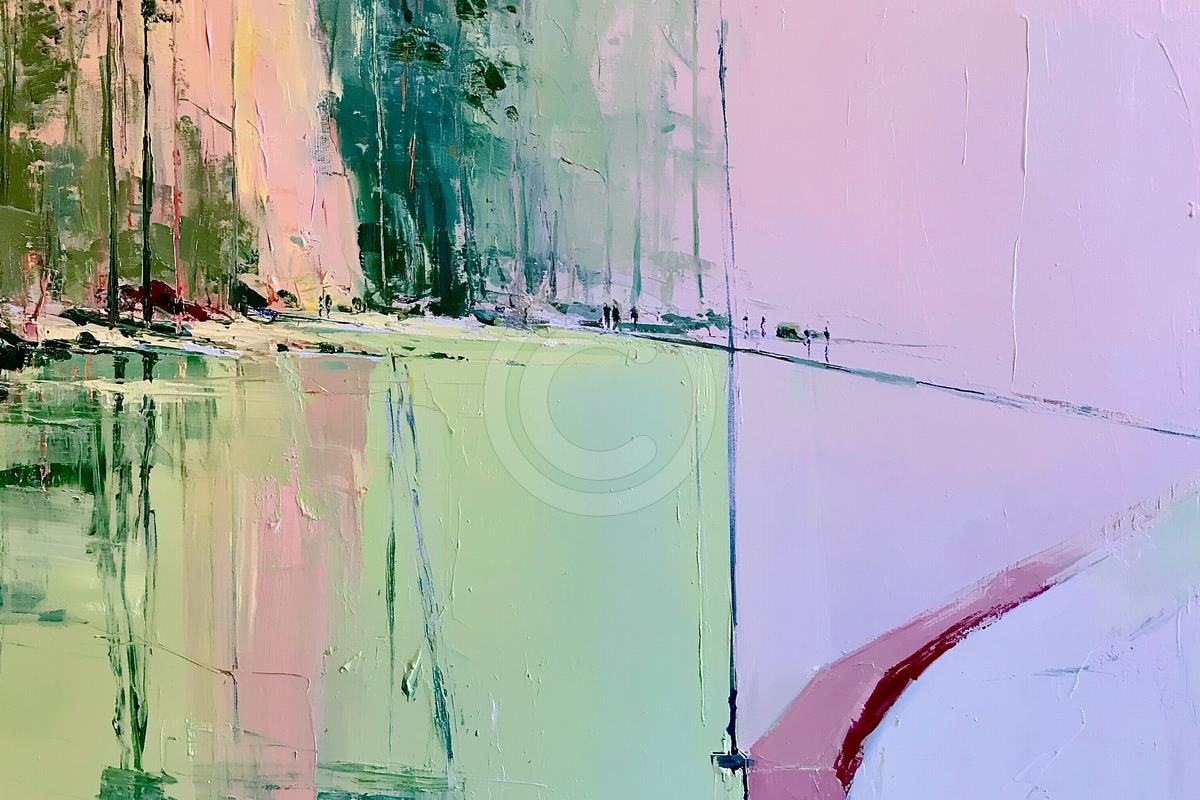
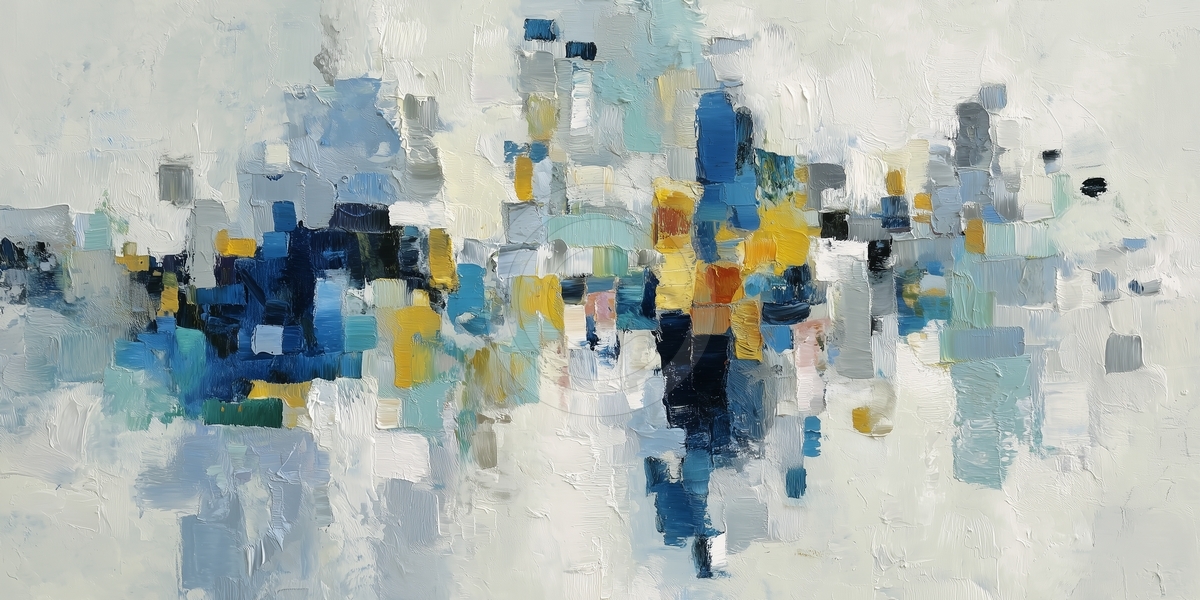
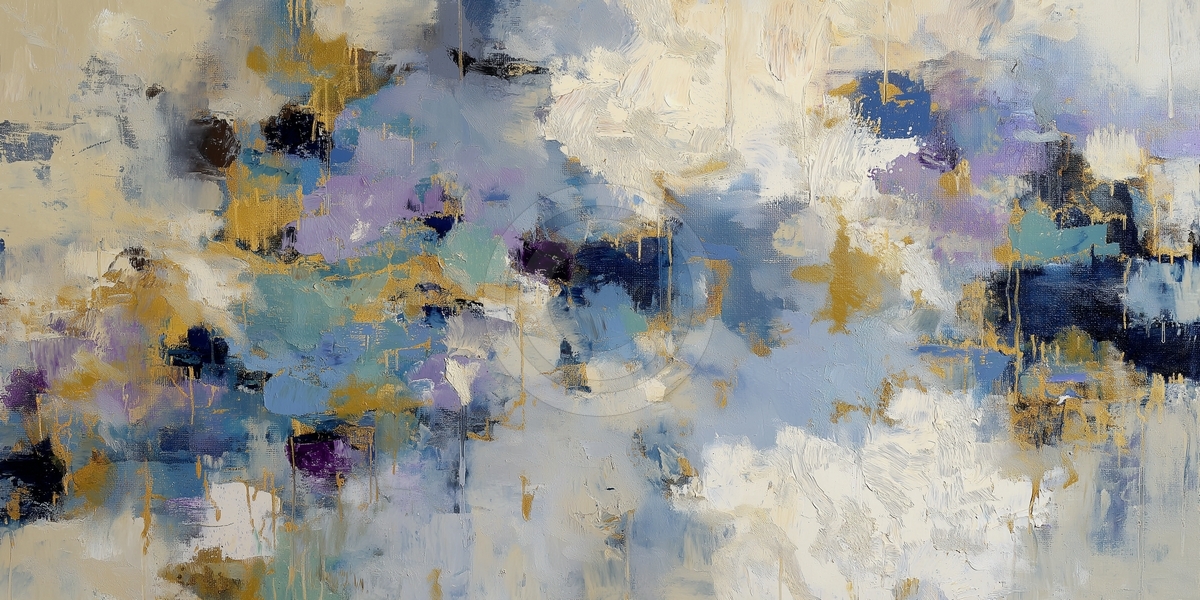
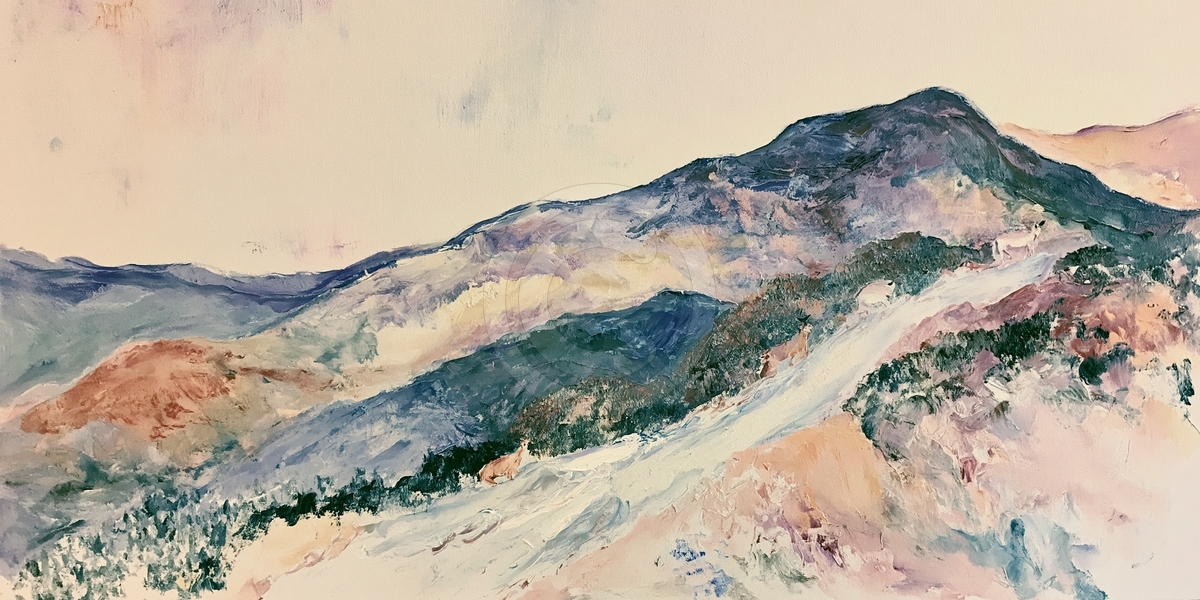
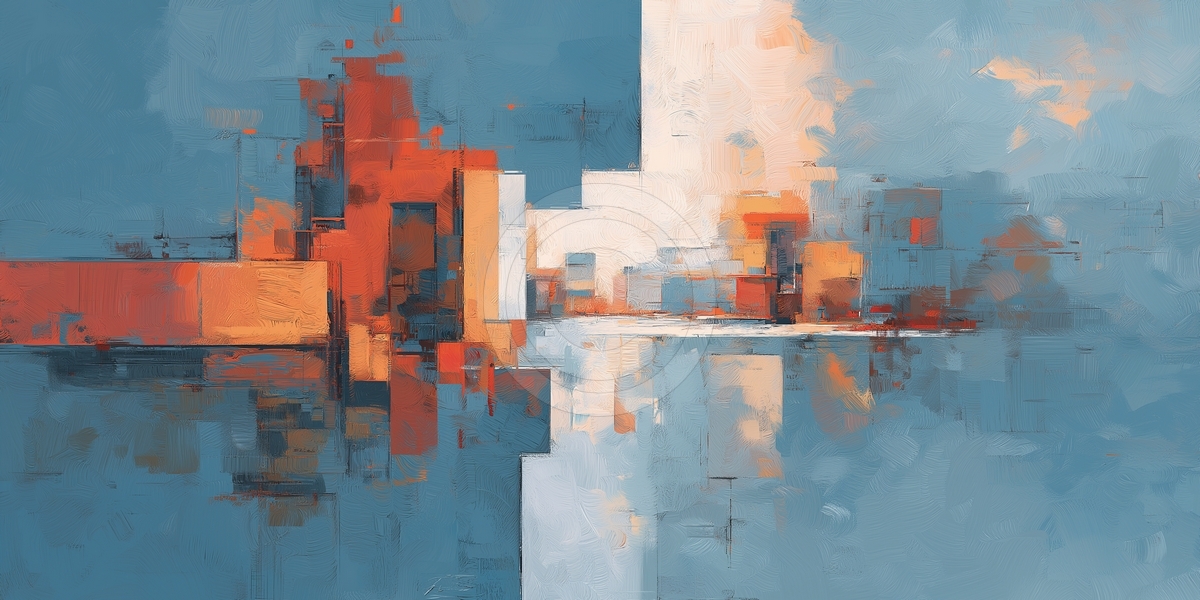
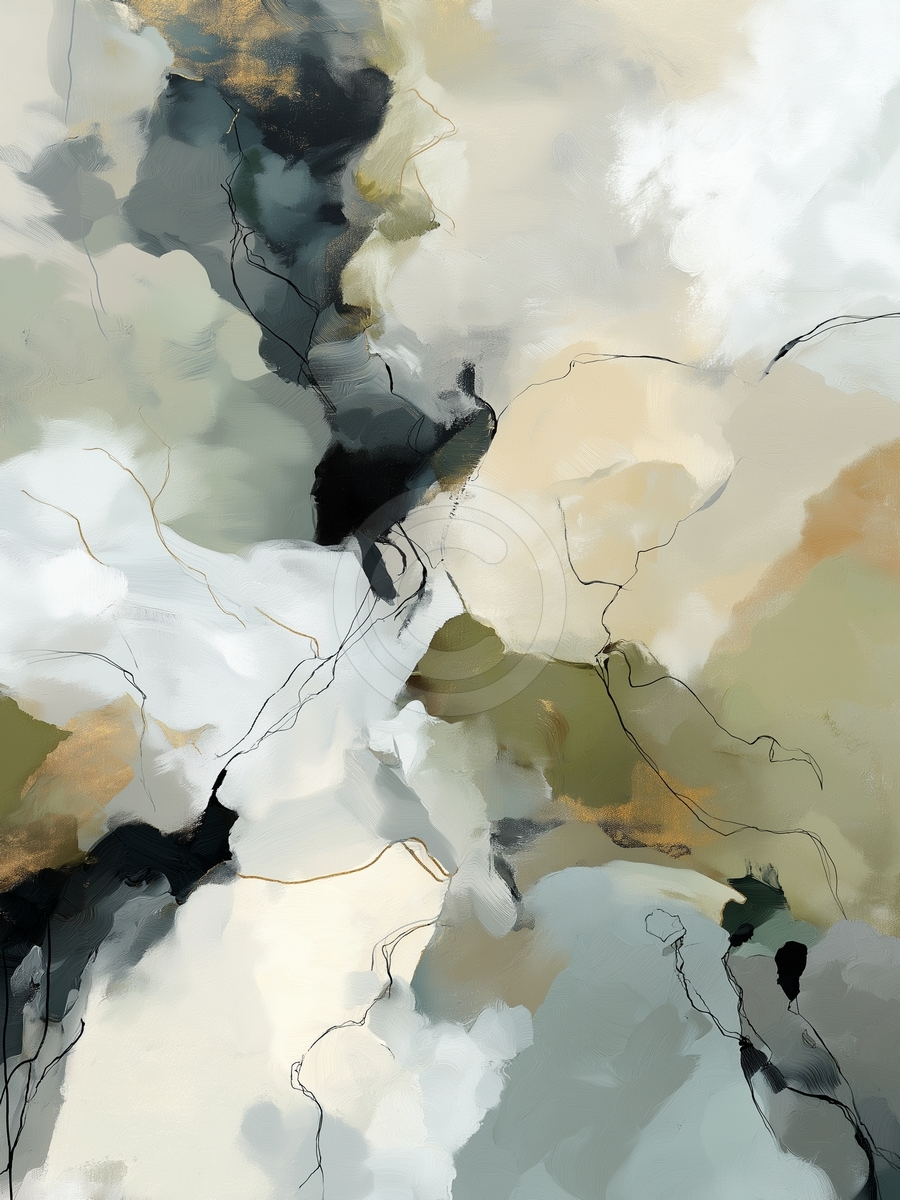
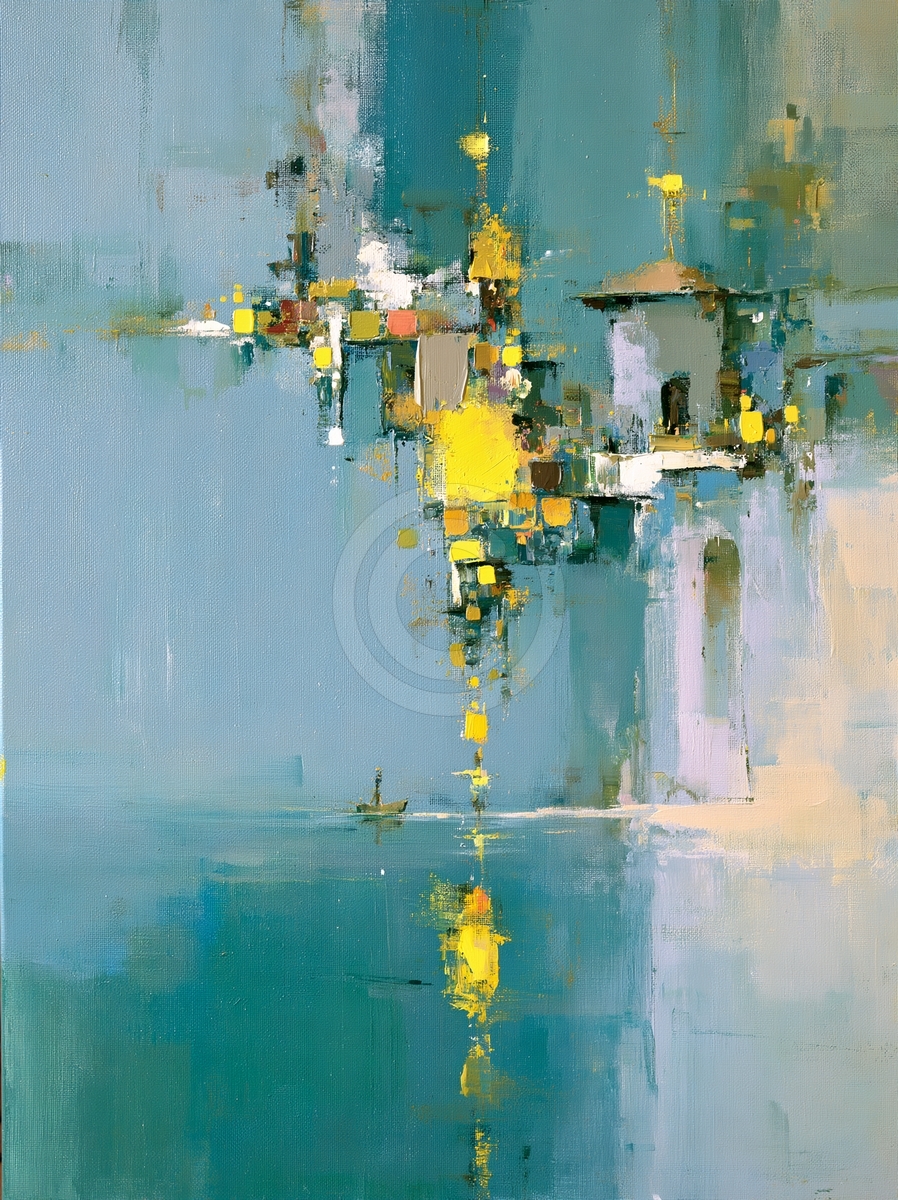
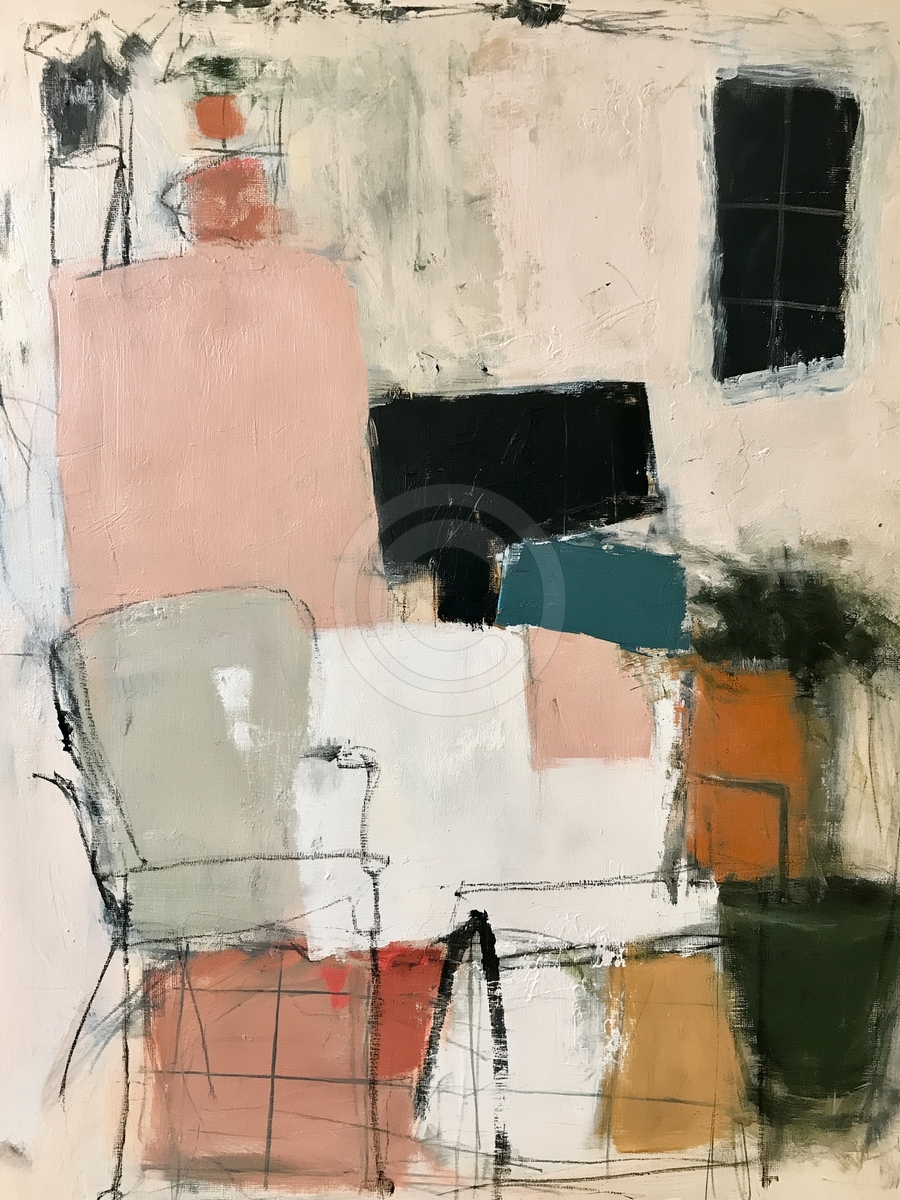
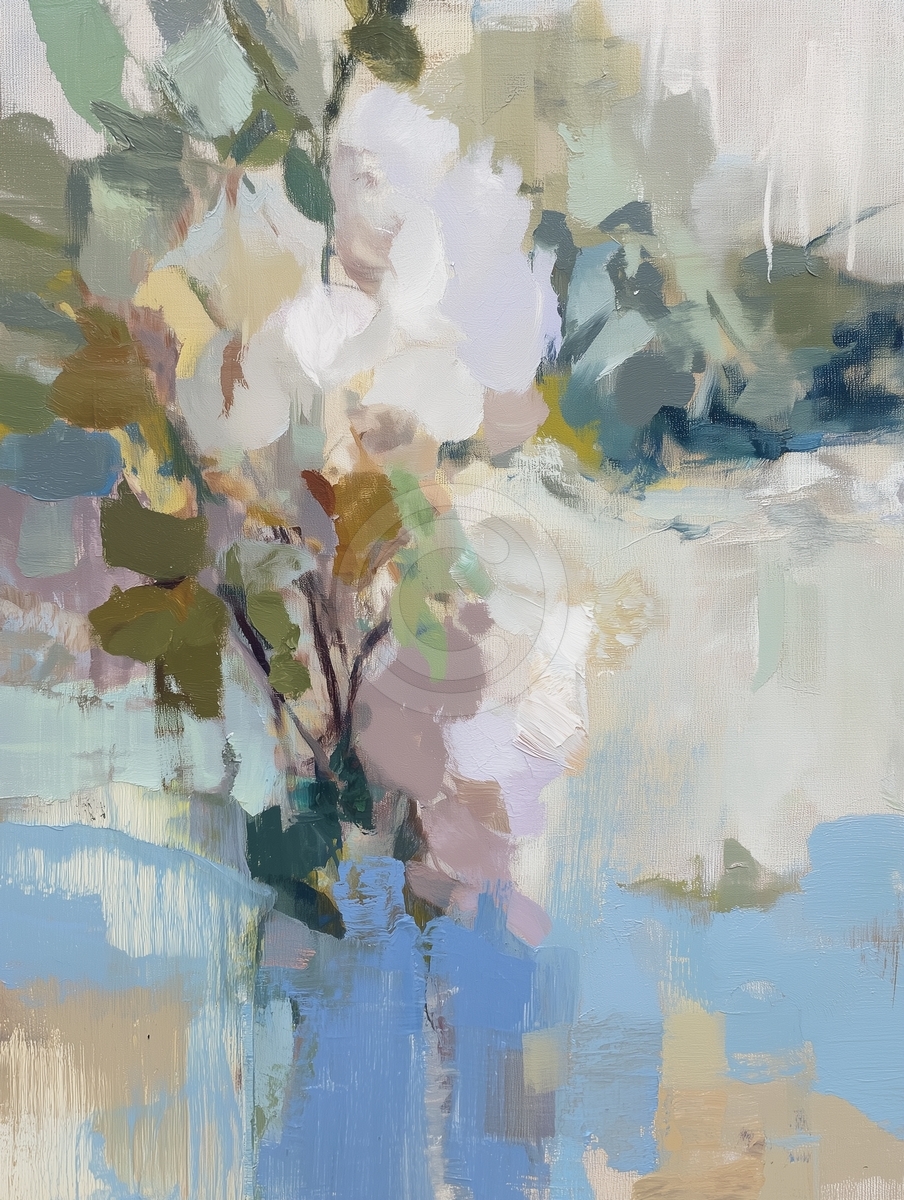
Why Size Changes the Way We See Abstract Art
A small abstract painting can be intimate. We stand close to it, notice its details and gradually understand the relationship between its shapes and colors. A large painting creates a different experience because we can see it from several distances.
From across the room, the composition becomes almost architectural. We notice its overall structure rather than individual details. As we move closer, another layer appears. Brushstrokes become more visible, subtle transitions between colors become easier to appreciate and small imperfections or variations suddenly become part of the character of the artwork.
This relationship between distance and detail is one of the reasons abstraction works particularly well on a large scale. Because abstract art is not dependent on a recognizable subject, enlarging the composition does not simply make an object bigger. It gives the viewer more space in which to experience color, rhythm and movement.
A large abstract painting can therefore feel almost immersive. Museums have repeatedly explored this quality through monumental abstract works and installations designed to surround or dominate the viewer's visual field. The Hirshhorn Museum, for example, has presented large-scale abstract works specifically as immersive experiences in which color and scale become central to the way the artworks are perceived.
This is the difference between decorating a wall and changing the way a room feels.
The Wall Becomes Part of the Composition
One of the first things you notice when entering a room is the relationship between its empty spaces. A large blank wall can make a room feel unfinished, even when everything else has been carefully chosen. Furniture may be beautiful, the lighting may be perfect and the colors may work together, but the wall still creates a visual pause that seems to be waiting for something.
A large abstract painting can fill that space without making the room feel cluttered.
Instead of several small decorative objects competing for attention, one substantial canvas can provide a clear visual center. The artwork becomes an anchor around which the rest of the interior can be organized. This is particularly effective in living rooms with large sofas, open-plan spaces and contemporary interiors where there may be considerable uninterrupted wall space.
The relationship between the painting and the furniture is important. A large horizontal abstract work above a sofa can follow the width of the furniture and create a sense of balance. A tall composition can work particularly well on a narrow wall or in a room with high ceilings, emphasizing the vertical architecture. In an open-plan interior, a large artwork can even help define a particular area without requiring physical partitions.
The painting is therefore doing more than occupying empty space. It is helping to organize the space around it.
Color Becomes More Powerful at Large Scale
The larger the painting, the more important its color becomes. A small area of intense red may be an interesting detail in a modest artwork, but when that red occupies a substantial portion of a large canvas, it can influence the entire atmosphere of a room.
This is why choosing a large abstract painting requires thinking about the room as a whole. A composition dominated by warm colors can make a neutral interior feel more energetic and inviting. Deep blues and greys can create a calmer, more contemplative atmosphere, while earthy tones can introduce warmth without overwhelming the furniture and architectural details.
Neutral abstract paintings can be equally powerful. Beige, cream, charcoal, grey and muted brown may appear understated when viewed as a small image, but across a large canvas they can create an elegant visual field that gives a room depth without introducing strong decorative colors.
There is no rule that says a large abstract painting has to be loud.
Some of the most sophisticated large-format works are remarkably restrained. They use subtle variations in tone, generous areas of empty space and carefully balanced forms. Their impact comes from scale rather than visual noise.
Other paintings do the opposite. They use energetic brushwork, strong contrasts and multiple layers of color to create an immediate focal point. Both approaches can work beautifully; what matters is the relationship between the artwork and the atmosphere you want to create.
Large Abstract Art and Modern Interiors
The connection between abstract art and modern interior design is not accidental. Contemporary architecture often emphasizes open space, simple forms and clean lines, creating an environment in which artwork can become particularly important.
A large abstract painting introduces something that architecture alone cannot provide: spontaneity.
Straight walls and geometric furniture create structure, while expressive shapes and irregular brushwork can soften that structure. A room filled with rectangular furniture may suddenly feel more organic when a large canvas introduces sweeping curves or flowing forms. Conversely, a geometric abstract painting can reinforce the architectural character of a minimalist interior.
This contrast can make the room feel more considered.
The painting does not have to reproduce the shapes already found in the furniture. It can respond to them. A soft, organic composition can balance a room full of hard surfaces. A structured geometric work can bring order to an eclectic interior. A colorful abstract can provide a point of energy in an otherwise restrained room.
Large abstract art is particularly effective in contemporary spaces because it does not impose a literal story. A landscape tells us that we are looking at nature. A cityscape tells us that we are looking at a particular type of environment. An abstract painting leaves the subject open, allowing the artwork to become part of the interior rather than competing with it.
The Emotional Impact of a Large Canvas
There is also something psychological about standing in front of a large painting. Its scale changes our physical relationship with the artwork. Instead of looking at something that feels like an object placed on the wall, we encounter a visual field that can occupy much of our attention.
This is particularly powerful with expressive abstraction.
Broad brushstrokes can create a sense of movement across the canvas. Layered colors can suggest depth. Large areas of contrasting tones can produce tension and energy, while softer transitions can create a feeling of calm. Because there is no literal subject to explain the experience, the viewer responds primarily to the visual language of the painting.
That response can also change over time.
When you first see a large abstract artwork, you may simply notice its dominant color. After living with it for several months, you might become more aware of the smaller details within the composition. A shape that initially seemed unimportant may gradually become your favorite part of the painting. The artwork becomes familiar without becoming completely predictable.
This is one of the reasons large abstract paintings can be particularly rewarding in a home. You are not simply buying an image to fill a wall. You are choosing something that will become part of your daily environment.
Choosing the Right Size for Your Wall
The biggest mistake people make with large wall art is often choosing something that is not actually large enough for the space. A painting that looks substantial on a computer screen can appear surprisingly small when placed above a large sofa or against a wide, empty wall.
Scale should therefore be considered in relation to the furniture beneath the artwork and the dimensions of the wall itself. A large canvas generally works best when it has enough surrounding space to breathe while still feeling connected to the furniture below it. For a sofa, for example, the artwork should have a meaningful visual relationship with the width of the sofa rather than appearing like a small isolated object floating above it.
The height of the room matters as well. Horizontal paintings can emphasize the width of a room and work naturally above long pieces of furniture, while vertical compositions can draw attention upward and make use of high ceilings.
There is also no need to cover every empty wall with art. In fact, a single large abstract painting can often have more impact than several smaller pieces scattered throughout the room. Leaving some walls relatively quiet allows the main artwork to maintain its visual importance.
The goal is not to fill every available space. It is to give the right artwork enough space to be seen.
When a Painting Becomes the Focal Point
Some paintings quietly complement a room. Others change it.
Large abstract paintings generally belong to the second category. Their scale naturally attracts attention, which makes them particularly useful when a room needs a focal point. In an open-plan living area, the painting can establish the visual identity of the space. In a dining room, it can create a backdrop for the table. In an office, it can introduce color and personality into an environment that might otherwise feel purely functional.
The artwork can also influence the colors chosen elsewhere in the room. Rather than matching everything to the painting, you can pick out one or two secondary colors and introduce them through cushions, rugs or smaller decorative objects. This creates a visual connection without making the interior look overly coordinated.
In this way, the painting becomes the starting point rather than the final decoration.
This approach is especially useful when decorating a new space. Instead of choosing all the furniture first and then searching for artwork that fits whatever remains, you can begin with a painting you genuinely love and allow its colors and character to influence the rest of the room.
A large abstract work can become the visual foundation of an interior.
Art That Does Not Tell You What to See
Perhaps the greatest advantage of large abstract paintings is that they can remain open to interpretation even when they occupy a very prominent place in a room.
A large blue composition might suggest water, sky or simply a particular emotional atmosphere. A painting filled with earthy colors might remind one viewer of mountains while another sees autumn leaves. A collection of geometric forms might evoke architecture, movement or nothing recognizable at all.
There is no requirement to settle on one interpretation.
This openness is part of what makes abstract art so well suited to everyday life. The painting can change with your mood because you are not required to see the same story every time you look at it. It can simply be an arrangement of colors one day and something much more personal the next.
On a large scale, this quality becomes even more pronounced. The painting is always present in the room, but it does not necessarily demand your attention. You can appreciate it consciously or simply allow it to become part of the atmosphere around you.
Making a Statement With Large Abstract Art
A large abstract painting is ultimately about more than size. Its real power comes from the relationship between scale, color, composition and space. When those elements work together, the artwork can transform a room without requiring anything else.
At PastelBrush, the Large Abstract paintings collection brings together contemporary abstract compositions designed to work particularly well as substantial pieces of wall art. These works explore color, movement, geometry and expressive forms, allowing a large canvas to become a strong visual element in a modern interior.
Choosing a large artwork can feel like a bigger decision than choosing a small decorative piece, and in some ways it is. You will see it every day. It will influence the atmosphere of the room and become part of the visual memory of your home.
But that is also what makes the choice exciting.
The right large abstract painting does not simply make an empty wall look less empty. It can change the proportions of a room, introduce a new atmosphere and give the entire interior a sense of character. It can make a quiet room feel more energetic, soften a rigid space or bring a sense of depth to an otherwise simple interior.
And perhaps the most interesting thing is that the painting does not need to explain itself.
It simply needs to make you want to keep looking.