

How to Choose Artwork for Your Home
Choosing art for your home is both personal and fun. The right pieces can completely change the look and feel of a room. They can show who you are, make your home feel warm and comfortable, and even start conversations with guests. Many people feel confused or stuck when they see blank walls or face too many choices. It is normal to feel this way. Whether you are decorating your first apartment or updating a home you have lived in for years, understanding how to pick art that truly speaks to you can make the process easier, faster, and more enjoyable.
Start with What You Like
The most important thing is your personal connection to the art. Don’t just choose something because it matches your sofa, your rug, or the color of your walls. Look at a piece carefully. How does it make you feel? Does it make you smile, feel calm, or curious? Do you want to spend more time looking at it? Art that moves you emotionally is the one you will enjoy for many years. You do not have to love it instantly. Some pieces grow on you with time. Even if you are unsure at first, notice what draws your eye. It might be the color, the texture, the shapes, the subject, or the mood. Any small reaction is a good sign.
Think About Your Space
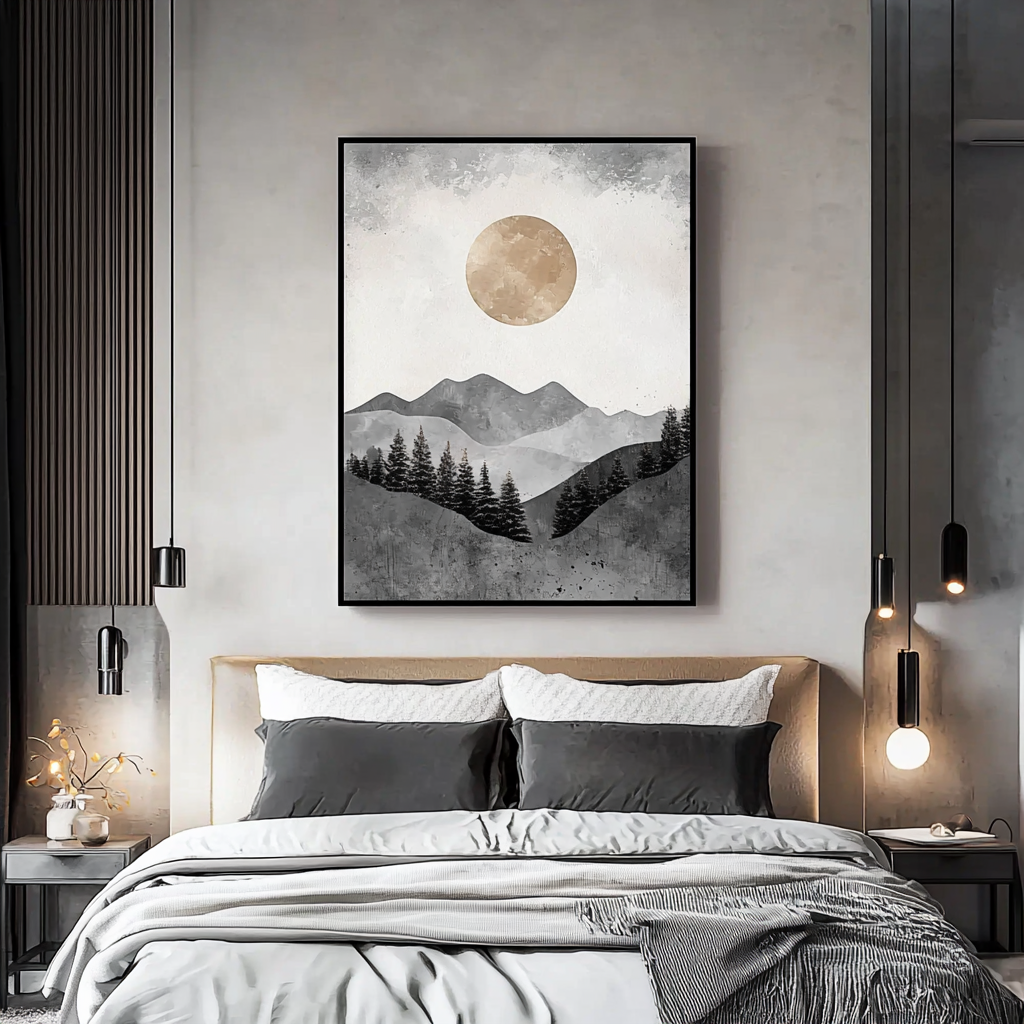
Size and proportion matter more than most people realize. A small painting on a large empty wall can feel lost or weak. A good rule is that art above furniture should cover about two-thirds to three-quarters of the wall space. Larger pieces can become the main focus of a room, giving it a clear sense of style. If your favorite art is small, you can make it stand out with a bigger frame or mat. Grouping several smaller pieces together can also create balance and interest.


Ceiling Height and Placement
Hang art at about eye level, which is usually 57–60 inches from the floor. This makes it easy to enjoy without bending or looking up too much. For rooms with high ceilings, or spaces where people spend most of their time sitting, you may need to adjust the height. Always leave 6–8 inches between the bottom of the frame and the top of furniture. This ensures the art feels connected to the room but does not feel crowded.
Lighting
Natural light is wonderful and can make colors look bright and fresh. However, direct sunlight can fade some pieces over time. For delicate prints or watercolor, consider UV-protective glass. If your room does not get much natural light, think about adding spotlights or picture lights. Good lighting will show all the details and colors and will make the art more enjoyable to look at. You can also use dimmer switches to adjust the mood.
Find Your Style
You don’t need to be an art expert to enjoy picking art for your home. What matters most is knowing what you like. When you understand your own taste, you can build a collection that feels personal, organized, and meaningful. Your home will reflect who you are, and choosing new pieces becomes easier and more fun.
Notice What You Like
Take time to explore many types of art. Visit galleries, browse online, flip through books, or walk through art fairs. Look carefully at each piece and notice what draws your attention. Do you prefer bright and bold colors, or soft and calm scenes? Do you enjoy photography, paintings, prints, or mixed media? Are you more attracted to realistic images, or do abstract forms feel right for you?
Pay attention to recurring patterns. Over time, you may notice favorite colors, moods, or themes appearing in different styles. This can help your collection feel natural and connected, even when the art pieces are very different from each other. Keep notes or take photos of pieces you like—it can help you see trends in your taste.
Keep a Consistent Look
Your home doesn’t need to look like a museum, but having one or two consistent elements can make your collection feel balanced. This could be:
-
Color: repeating a color or similar tones across pieces
-
Subject: landscapes, portraits, or abstract designs
-
Medium: photography, watercolor, oil, or prints
-
Style: modern, contemporary, or traditional
-
Mood: calm, energetic, or reflective
Contrast can also be interesting and visually exciting. But make sure at least one element links your pieces, so the room does not feel chaotic or messy. Even small details, like matching frames or shared colors, can create a sense of harmony in your space.
Mix Prices
You do not need to spend a lot of money to create a strong art collection. Mixing originals with prints is fine. Combine works by famous artists with pieces from new or local talent. You can even include personal art, like a family painting, a poster found at a flea market, or a print purchased online. This mix creates variety, keeps your collection approachable, and adds personal meaning.
Match Your Decor
Your collection does not need to be complete immediately. Start small with a few pieces that truly speak to you. As you discover more art, add gradually. Pay attention to how each piece interacts with light, space, and your furniture. Over time, you will naturally develop a collection that feels intentional, unique, and enjoyable to live with.
Color
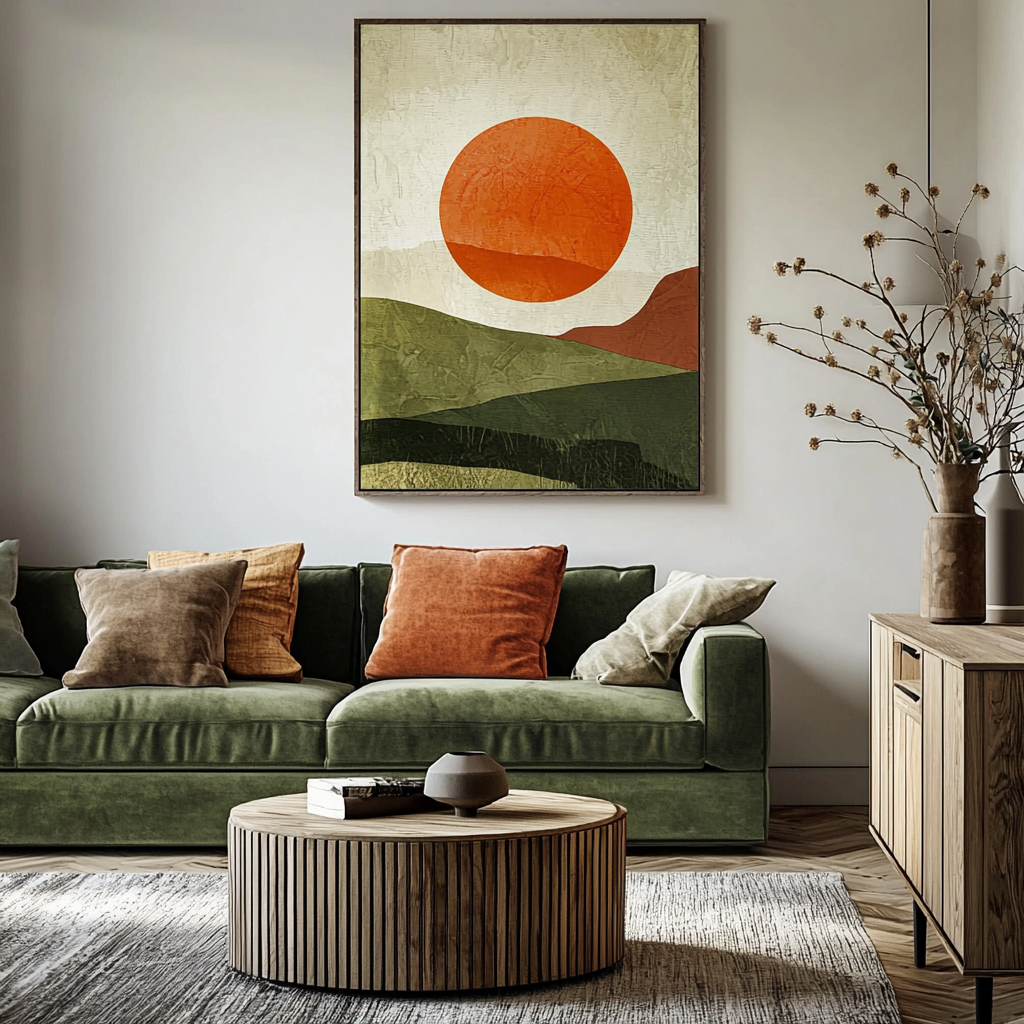
Pick one or two colors from your art and use them in the room. Or let art bring a new color to a neutral space. It can energize the room and guide other decor choices.
Style
Think about your home’s style. Minimalist spaces may work best with simple drawings, abstracts, or bold photography. Traditional spaces may suit landscapes or portraits in ornate frames. Contrasts can look great if done on purpose.
Frames
Frames make a big difference. A simple frame can make a print look gallery-ready. Ornate frames suit classic spaces. Matting adds space around smaller pieces. White and off-white mats are safe, but colored mats can add impact.




Where to Buy Art
Local Galleries & Fairs
Support local artists. Galleries, art walks, and fairs are good for finding original works and meeting artists.
Online
Websites connect artists and buyers. Search by size, color, style, or price. Many let you try before buying. Check dimensions carefully and read descriptions.
Estate Sales & Vintage Shops
Estate sales, antique stores, and flea markets can offer unique finds. Look carefully and be patient.
Commission Work
If you want something special, hire an artist to create custom art. Talk about size, colors, and timeline first.
Gallery Walls
Gallery walls let you display many pieces together for a strong visual effect. They are a great way to make a room feel full of personality and creativity.
Plan First
Before hanging anything, plan your layout. Cut paper templates of your frames and tape them to the wall to test different arrangements. This helps you see the balance and spacing before making holes in the wall. You can choose different styles for arranging your gallery wall:
- Grid: Same size frames in rows for a clean look
- Salon style: Different sizes in an organic layout
- Centered on one piece: One big piece surrounded by smaller ones
- Linear: Hang in a line, sizes may vary
Balance
Make sure the visual weight is spread evenly across the wall. Step back and look at the arrangement from a distance. This helps you see if it feels balanced or if one side is heavier than the other.
Consistency
Use similar frames, colors, or themes to create continuity. They don’t need to match perfectly, but having a common element helps the wall feel cohesive and avoids chaos.
Art for Each Room
Living Rooms
Living rooms are good for large pieces or gallery walls. Large pieces or gallery walls work well here. Choose art that starts conversations and adds personality to the space.
Bedrooms
Bedroom art should create calm. Pick soothing abstracts, peaceful landscapes, or soft photography. Art should create a calm and relaxing environment. Soothing abstracts, peaceful landscapes, or soft photography are ideal.
Dining Rooms
Bold pieces can make a statement but shouldn’t overwhelm the space. Pick works that inspire conversation.
Kitchens & Bathrooms
Prints are practical here. Botanical art, food-themed pieces, or playful designs add interest without taking up too much space.
Hallways & Staircases
These are perfect for mini-galleries. Family photos, small prints, or series of paintings can turn narrow or transitional spaces into highlights.
Build Your Collection Slowly
Think of collecting art as a journey. Empty walls are fine until you find pieces that truly speak to you.
-
Start Small: Begin with one or two pieces. Watch how they interact with light, space, and other decor. This helps you develop taste and avoid mistakes.
-
Invest Wisely: Buy originals or limited prints for key pieces. Affordable prints are fine for secondary spots. Mixing price points adds variety and flexibility.
-
Rotate: You don’t have to display everything at once. Rotating pieces can refresh your space and let you rediscover artworks over time.
Trust Yourself
Picking art is personal. Rules can guide you, but your space should reflect your own taste. The right pieces will greet you daily, bringing joy, inspiration, or comfort. Take your time, trust your instincts, and choose pieces that make you stop, smile, or think—they are the ones you should bring home.