

How to Pick Abstract Art Online: A Complete Guide to Finding the Perfect Piece
Abstract art can change a room, create emotions, and express yourself. Buying abstract art online can be tricky because you cannot see the texture, true colors, or size in your space. Still, online shopping offers access to many artists and styles not found in local galleries.
This guide explains how to choose abstract art online, from understanding your taste to making the purchase confidently.
Understanding Abstract Art and Your Preferences
Abstract art does not represent reality directly. It uses shapes, colors, and forms to create feelings. Your emotional response guides your choice.
Ask yourself: What feelings do you want from the art? Do you prefer calm, soft colors or bold, energetic pieces? Do you want art to relax you or energize you? Only your preference matters.
Browse online galleries like Artsy, Saatchi Art, or artist websites. Notice which pieces attract you. Save your favorites to see patterns in your taste.




Define Your Space and Practical Needs
Consider your room before choosing art.
Measure your walls. Use painter’s tape to mark sizes. Art should fill about two-thirds to three-quarters of the furniture width below it or stand alone as a focal point.
Note your room’s elements. Take photos showing furniture, wall color, and lighting. Check if the room has natural light or warm/cool artificial light.
Think about the room’s purpose. Bedrooms often suit calming colors, living rooms can handle dramatic pieces, offices may benefit from bright colors, and dining rooms can feature conversational art.
Choosing Colors Online
Color is challenging because screens show colors differently than real life.
Know your room’s palette. Collect paint chips, fabric, or photos. Art should complement or intentionally contrast with your space.
Ask for extra images. Request photos in different lighting and close-ups of texture. Some sellers provide videos too.
Read color descriptions. Terms like “cool blue” or “warm ochre” are more helpful than just “blue” or “yellow.”
Check your screen. Colors may vary by device. Look on multiple devices if possible.
Evaluating Style and Composition
Abstract art includes many styles. Knowing them helps you choose.
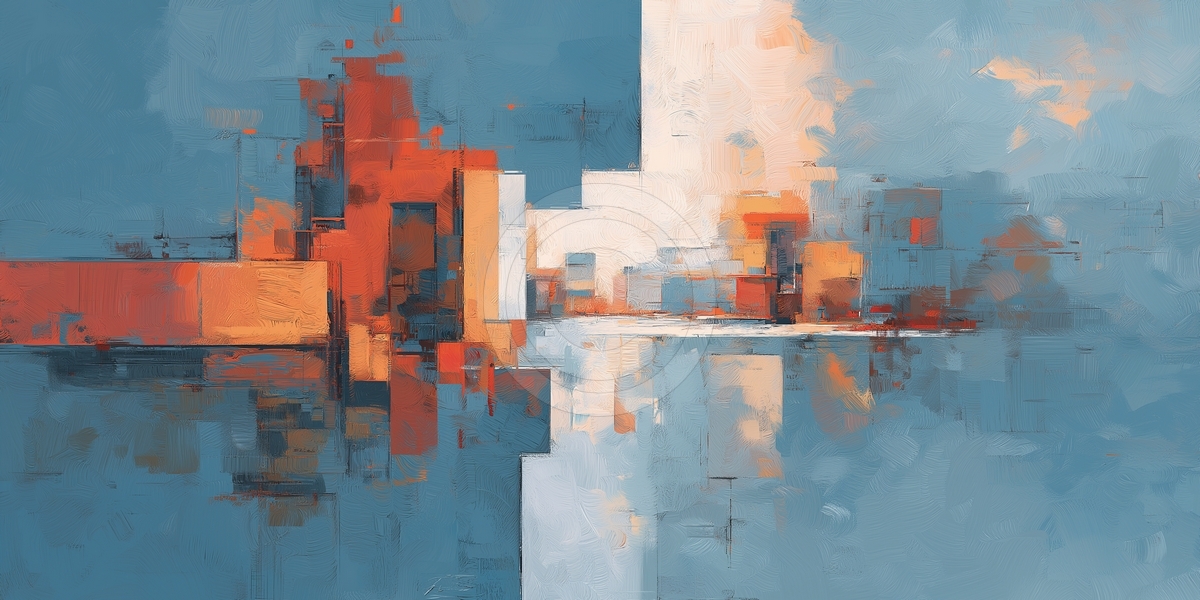
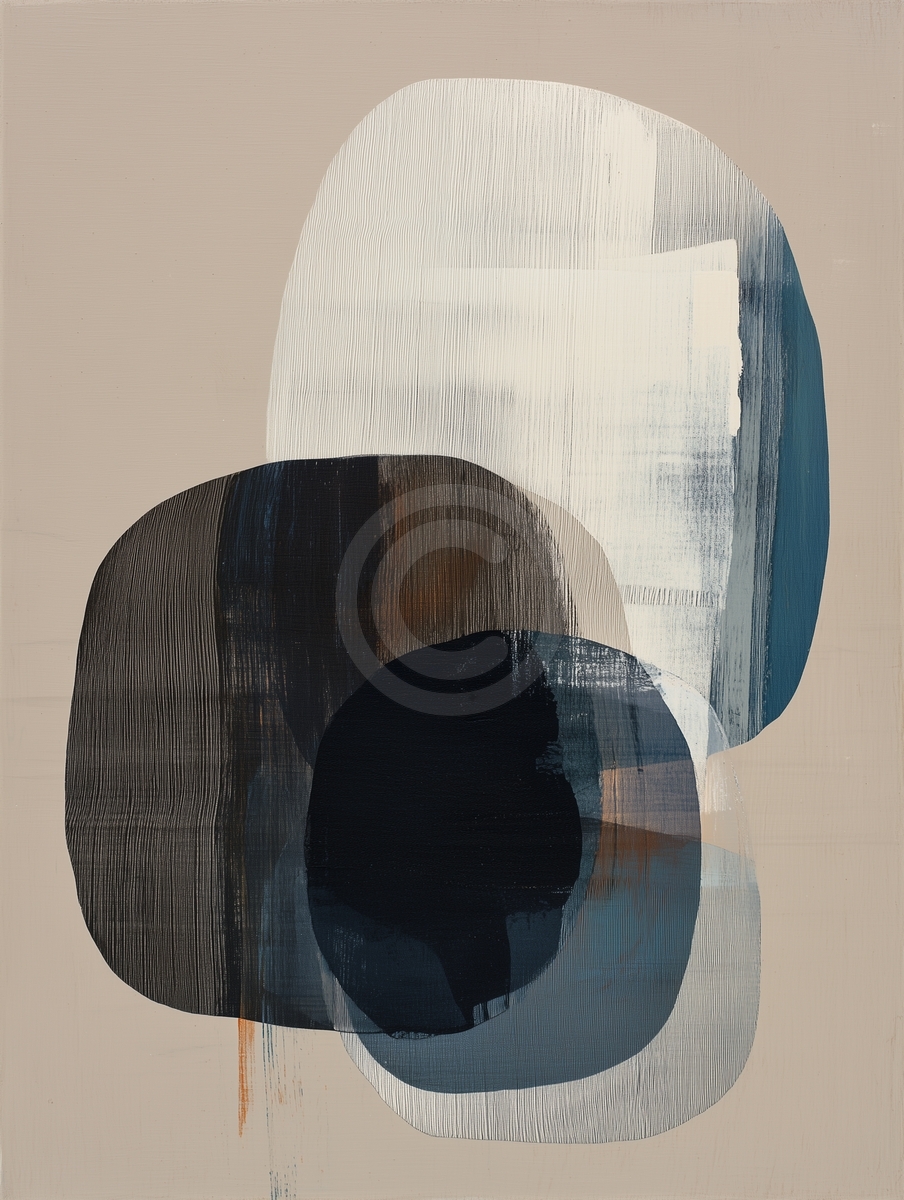
Geometric abstraction has clear lines and shapes. Good for modern and minimal spaces.
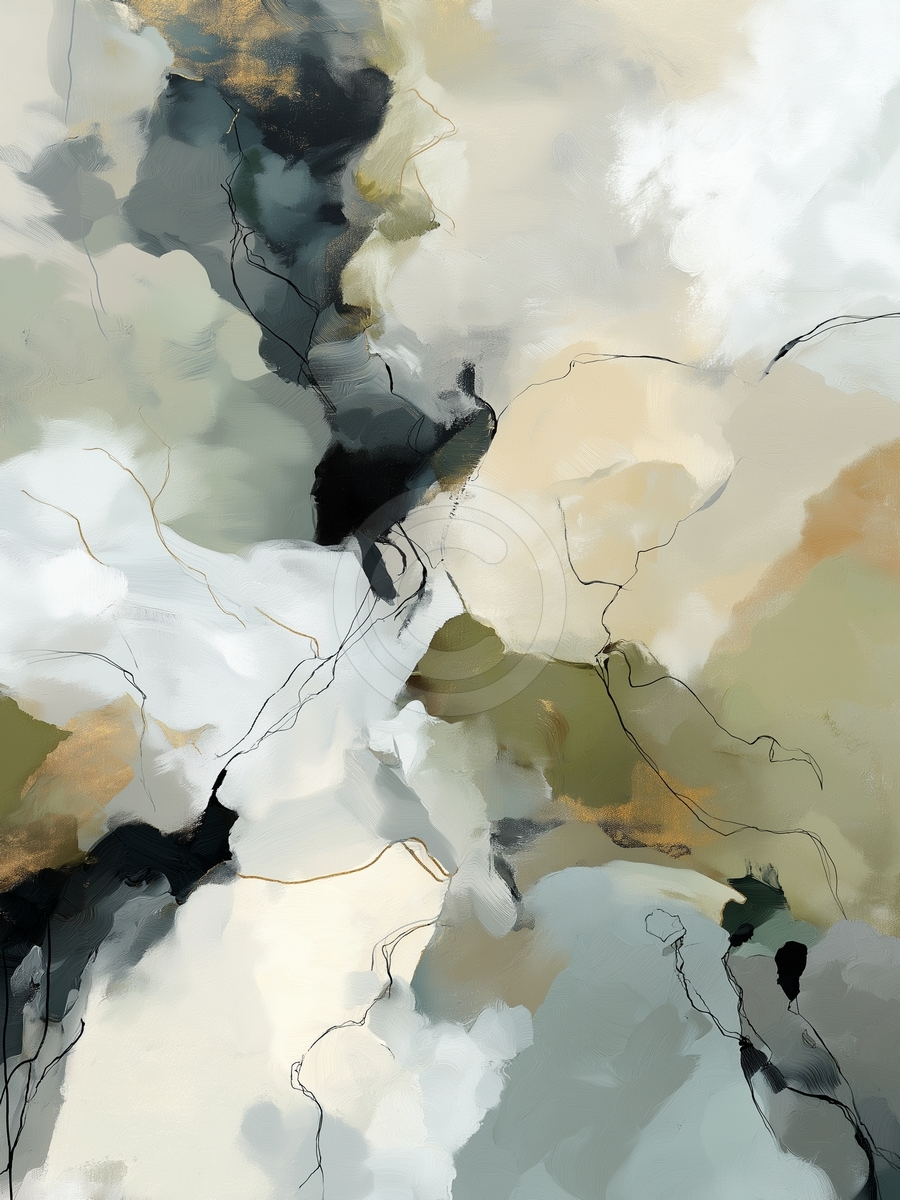
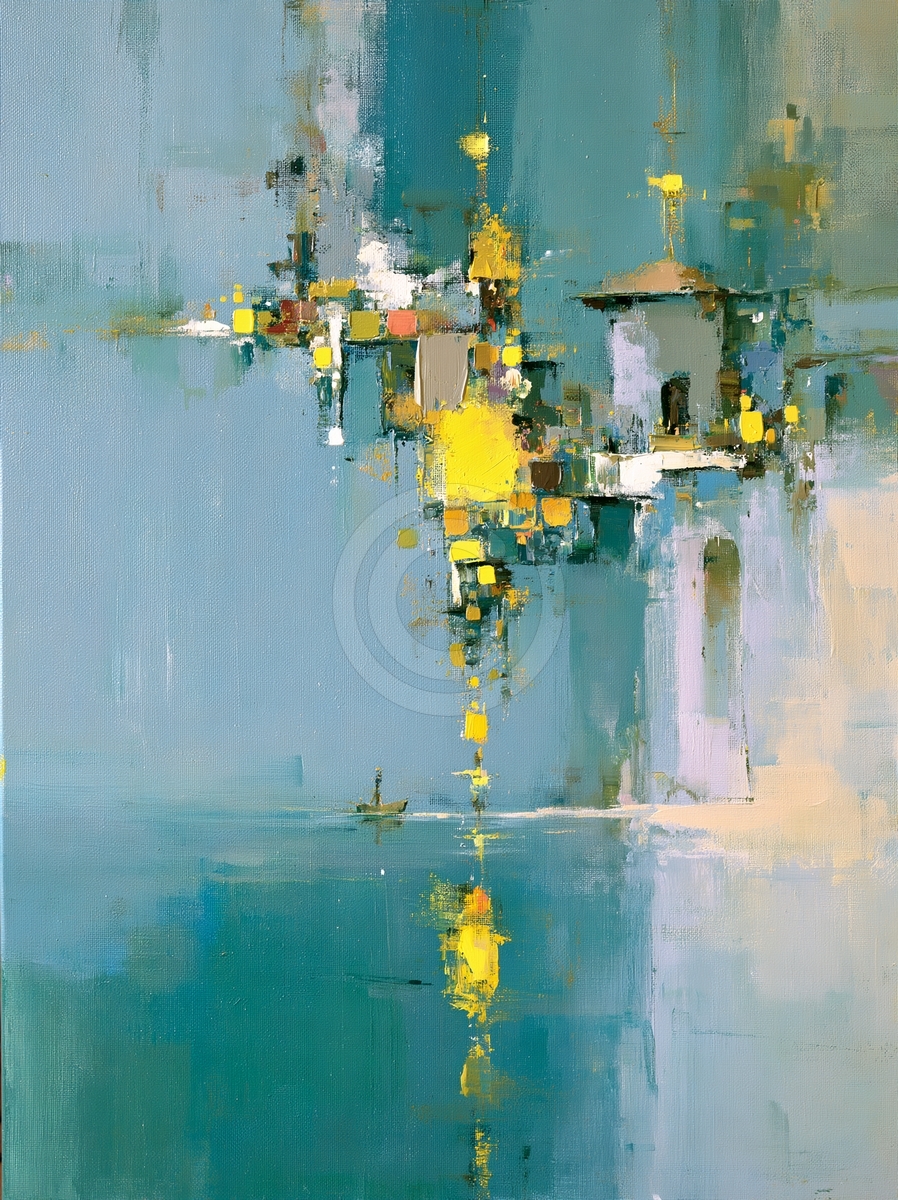
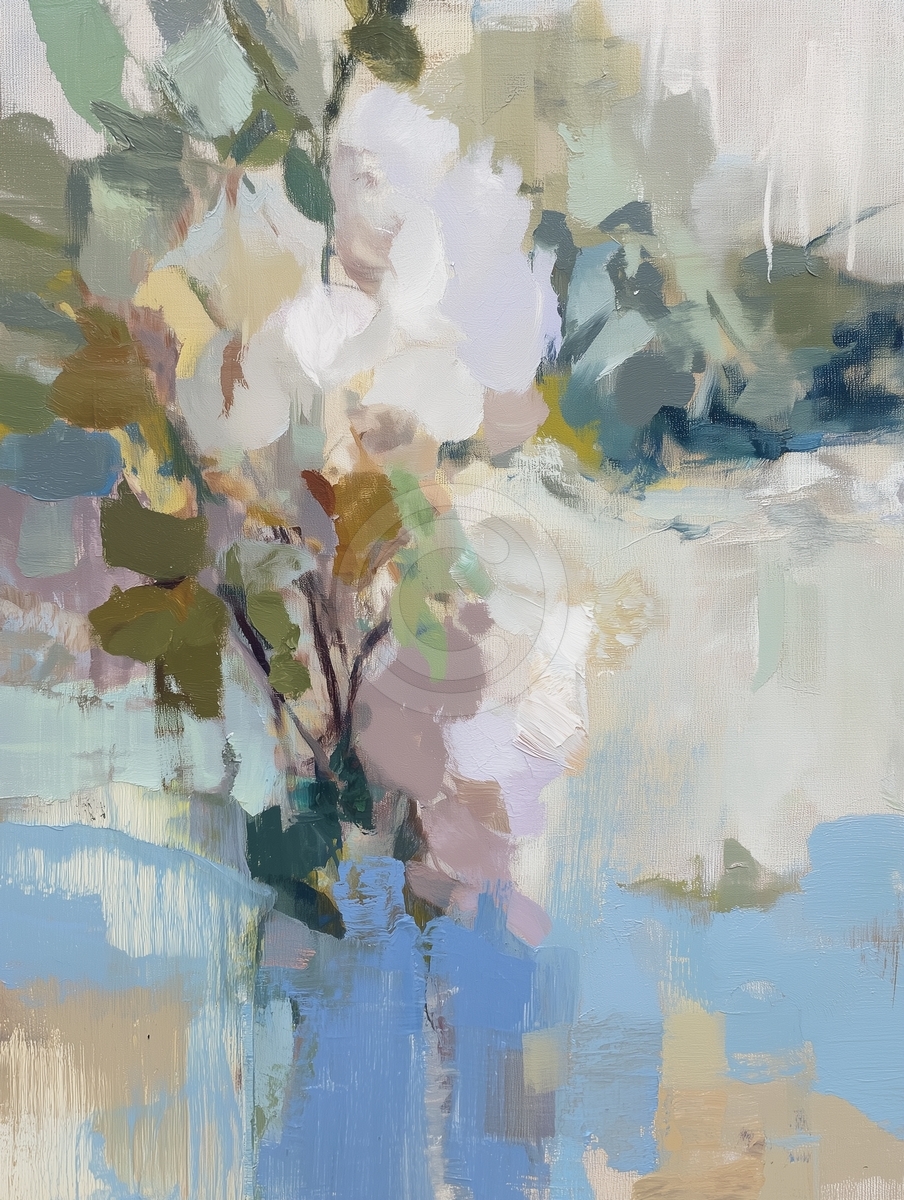
Lyrical/color field uses large areas of color. Ideal for calm and meditative spaces.
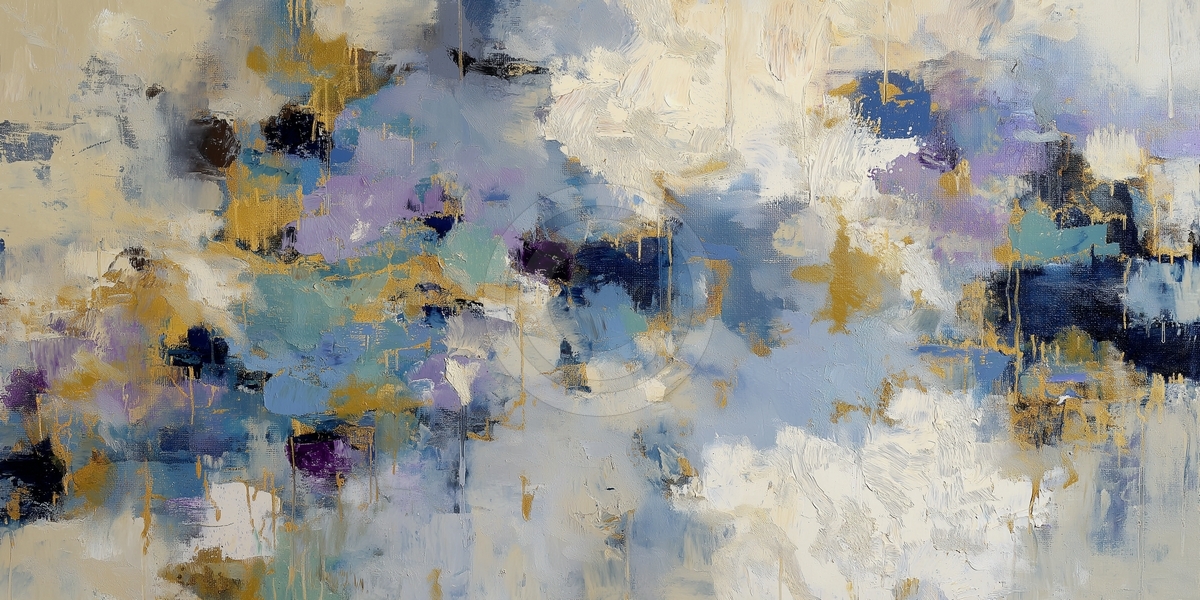
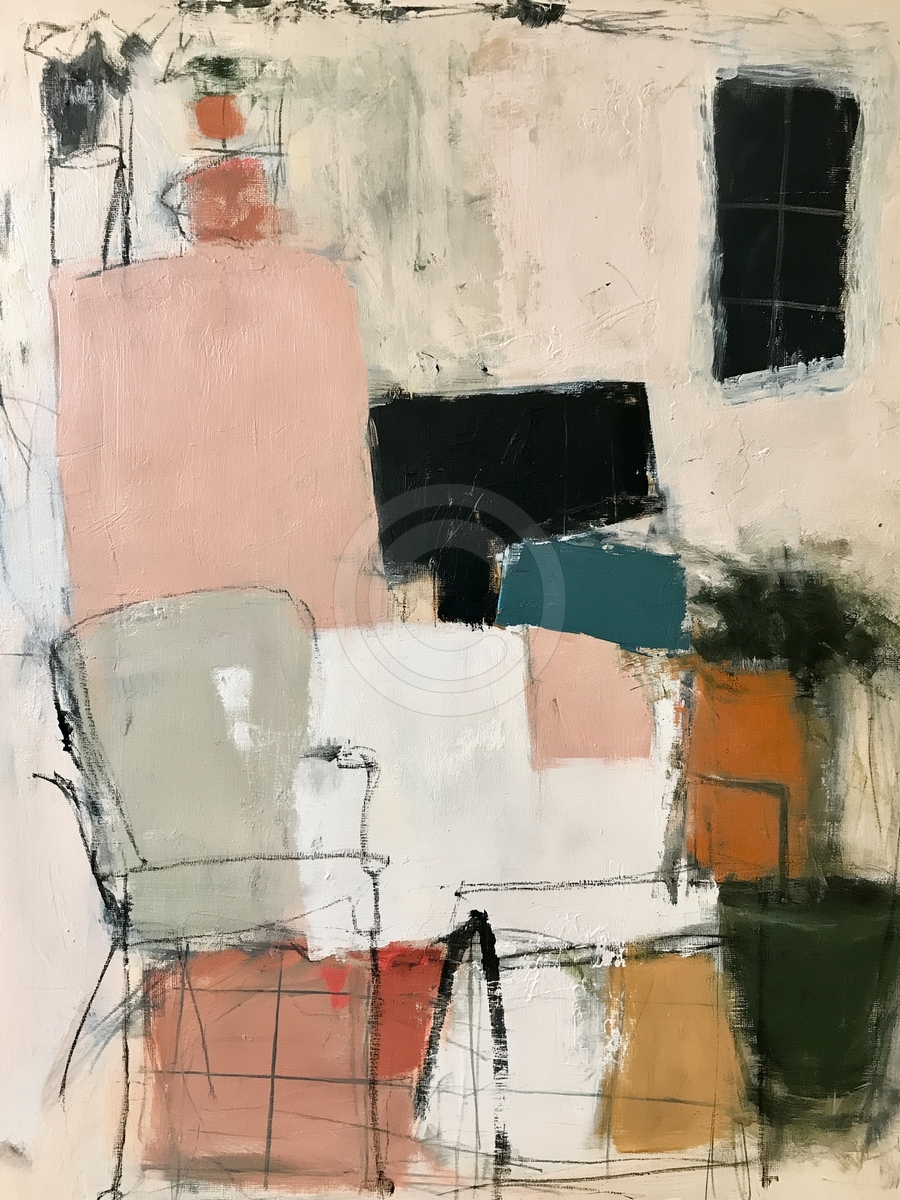
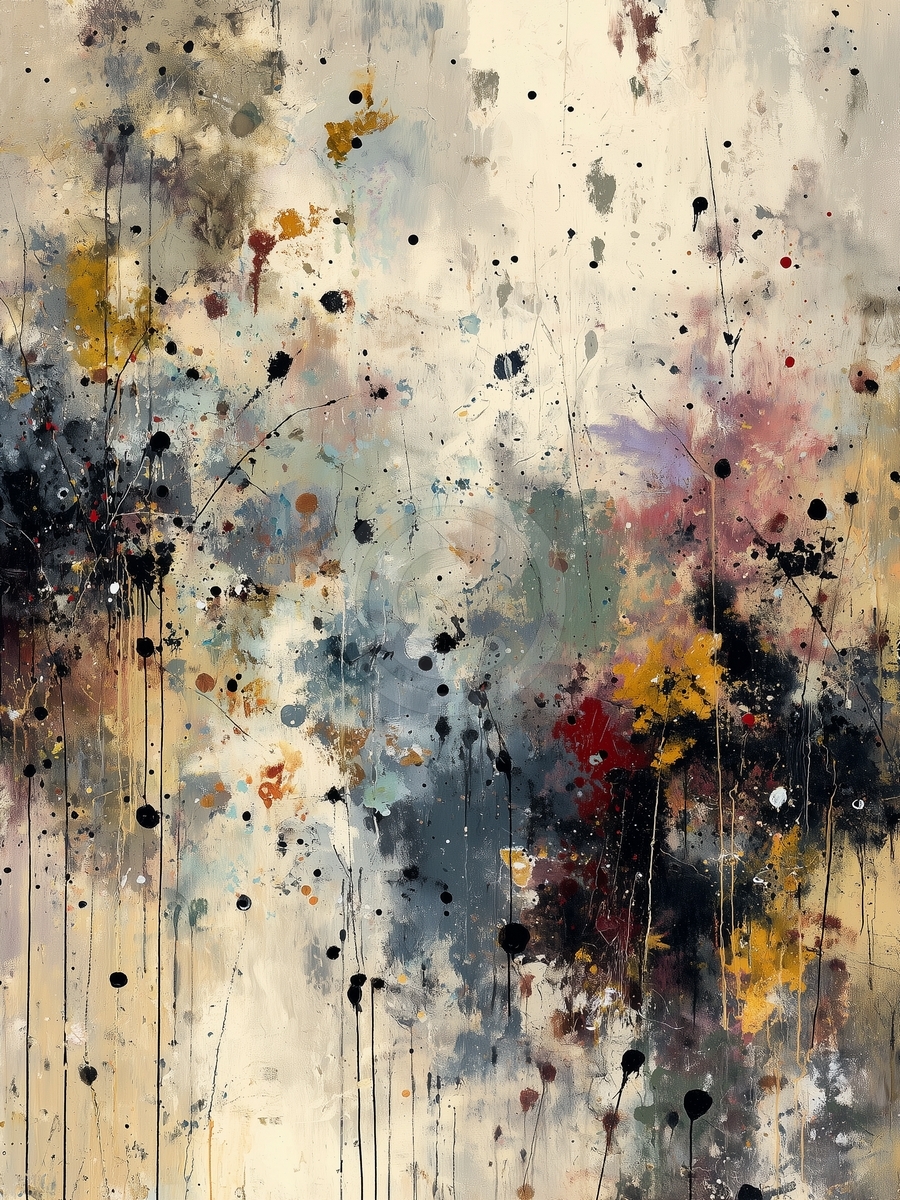
Gestural/action painting shows visible brushstrokes and energy. Great for dynamic rooms.
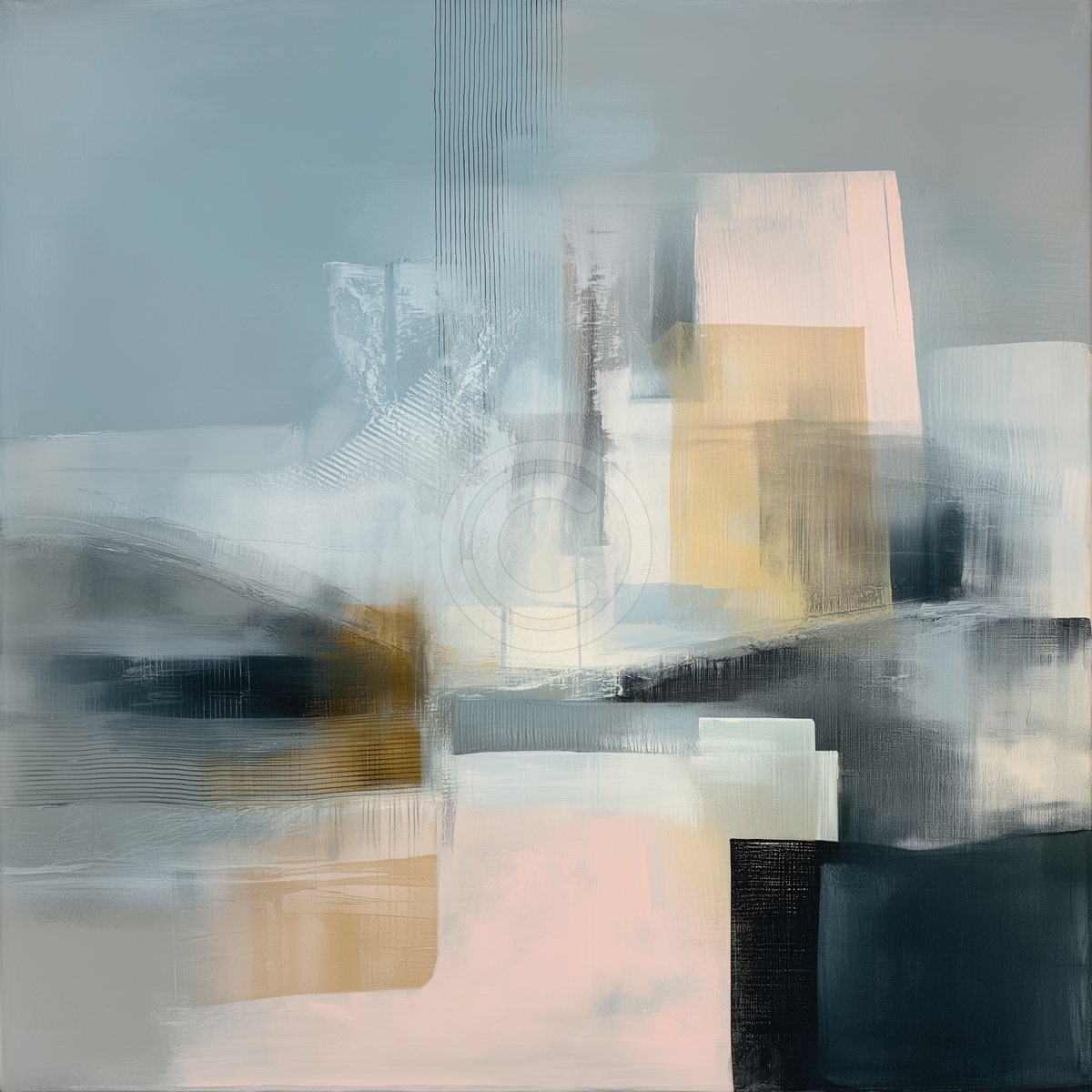
Minimalist abstraction focuses on essential forms and limited colors. Works well in contemporary spaces.
Mixed media combines materials for texture. These often show well in online photos.
Look for balance and movement. Good abstract art guides the eye and feels complete.
Researching Artists and Authenticity
Buying online lets you access artists’ statements, portfolios, and credentials.
Read the artist’s statement to understand their approach and intention.
Review their portfolio to see consistency and range.
Check credentials like exhibitions and awards, but emerging artists can offer good value.
Verify authenticity through certificates, signatures, and creation dates.
Know the difference: Originals are unique, limited editions are numbered reproductions, and open edition prints have no limit. Check listings carefully.
Pricing and Value
Art prices vary by artist, size, medium, and type.
Set a budget. Originals from established artists can be expensive; emerging artists are more affordable. Prints are generally cheaper.
Consider the medium. Oils and canvas usually cost more than acrylic or paper.
Check size. Bigger pieces cost more, but price per inch may be lower.
Look for value in emerging artists to get quality art at accessible prices.
Understand commissions. Galleries take 30-50%; buying directly from artists can be cheaper.
Assessing Quality from Images
You must evaluate quality from photos.
Check detail shots for confident, clean marks.
Look at surface quality for smooth, professional finishes.
Examine edges for gallery-wrapped canvases. Painted edges look more finished.
Check signatures—they should be visible but not distracting.
Review framing to ensure it complements the artwork.


Reviews and Return Policies
Read reviews for color accuracy, packaging, shipping, and service.
Understand returns including shipping, refund, and packaging conditions.
Check satisfaction guarantees for online protection.
Review shipping methods to ensure safe delivery.
Making the Purchase
Live with the image on your device to see if it grows on you.
Use visualization tools to see art in your room digitally.
Take your time—online art is abundant, so no rush.
Ask questions to clarify size, color, or texture.
Start small with a print or inexpensive piece if new to online art.
After the Art Arrives
Unpack carefully and save materials for returns.
View in your space at different times of day.
Compare with the listing for color and quality accuracy.
Frame if needed using quality materials.
Keep documentation for insurance and provenance.
Building a Collection
Develop your eye as you live with your art.
Follow artists for updates and new pieces.
Learn from each purchase about your taste and space.
Mix investment and enjoyment with valuable and affordable works.
Support artists directly when possible for better prices and access.
Final Thoughts
Buying abstract art online requires planning, research, and trusting your feelings. You may miss seeing it in person, but online platforms give access to global artists and styles.
Understand your space, research thoroughly, ask questions, and follow your emotional response. If a piece makes you feel something and fits your room, it is likely right for you.
Abstract art has no wrong answers. Follow your response to color, form, and composition. With these guidelines, you can confidently buy abstract art online that enhances your space and brings enjoyment.