
The Art of Botanical Beauty: Best Floral Paintings for Home Decor
Floral paintings have decorated homes for centuries, bringing the beauty of nature indoors. From detailed Dutch still lifes of the 17th century to modern abstract interpretations, flower art remains a popular and flexible choice for home decoration. Whether you prefer realistic or minimalist styles, floral paintings can add color, emotion, and elegance to any room.
Why Floral Paintings Work in Every Home
Floral art appeals to everyone because flowers represent life, growth, beauty, and renewal. They create warm and welcoming spaces. Unlike specific subject matter, floral paintings fit with almost any design style, from traditional to modern, making them a safe and stylish choice for any home.
Floral paintings also offer psychological benefits. Seeing images of flowers can reduce stress, improve mood, and boost well-being. In cities with limited green spaces, floral art brings the calm and freshness of nature indoors.


Classic Styles That Never Fade
Dutch Golden Age Still Lifes
17th-century Dutch artists like Jan van Huysum and Rachel Ruysch created detailed flower arrangements with roses, tulips, peonies, and exotic blooms. These paintings showed wealth and the beauty of nature. Today, similar works or inspired reproductions add elegance to dining rooms, living rooms, or libraries. Dark backgrounds and dramatic lighting make them strong focal points.
Impressionist Gardens
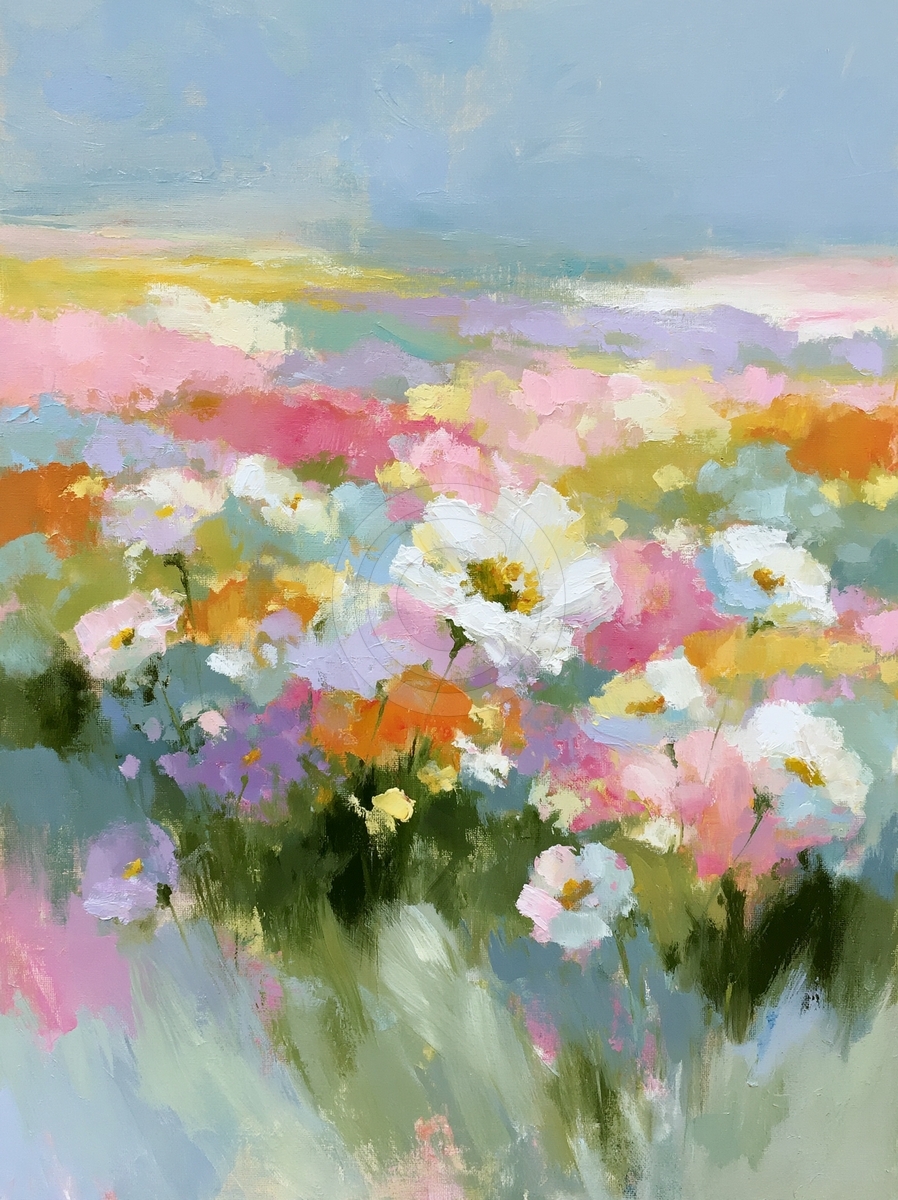
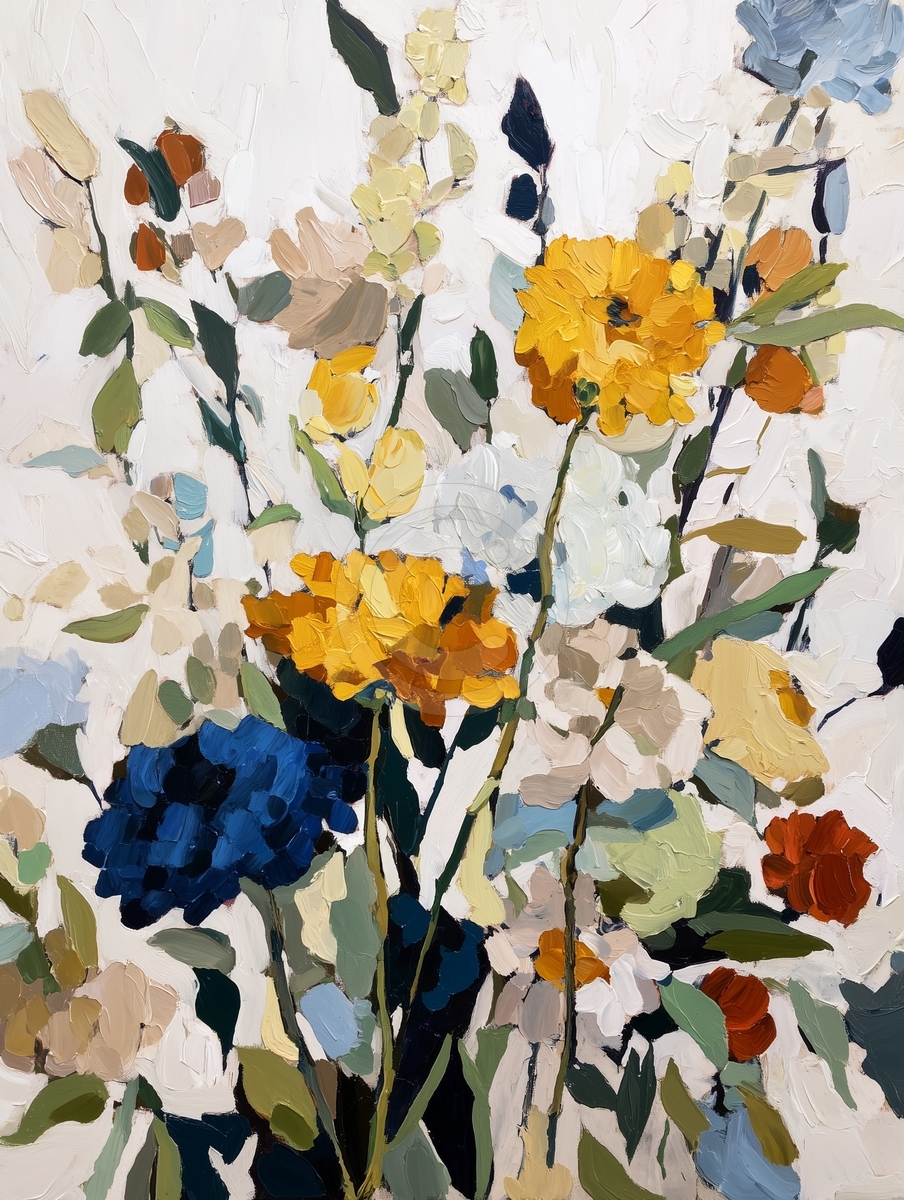
Artists like Claude Monet focused on capturing light and the feel of flowers instead of exact details. Impressionist floral paintings bring soft, airy qualities to rooms. Their colors and brushwork create romantic, relaxing spaces. They are great for bedrooms, sunrooms, or quiet corners.
Japanese Botanical Art
Japanese floral art emphasizes simplicity, negative space, and the spirit of plants. Cherry blossoms, lotuses, and bamboo painted with ink or watercolors create calm, peaceful energy. These pieces suit minimalist, Scandinavian, or serene interiors.
Contemporary Floral Art for Modern Spaces
Abstract Botanical Expressions
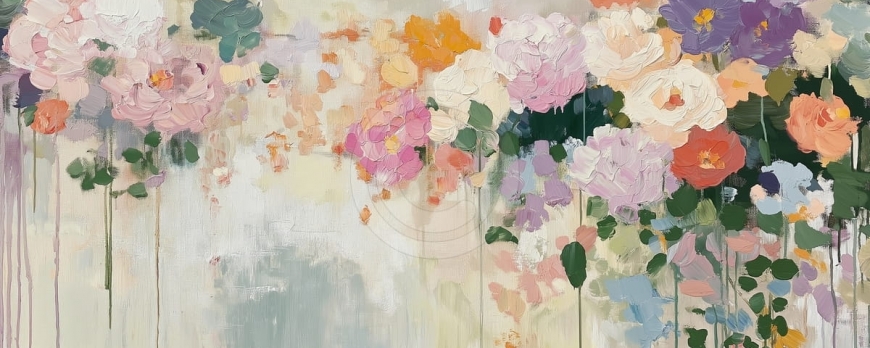
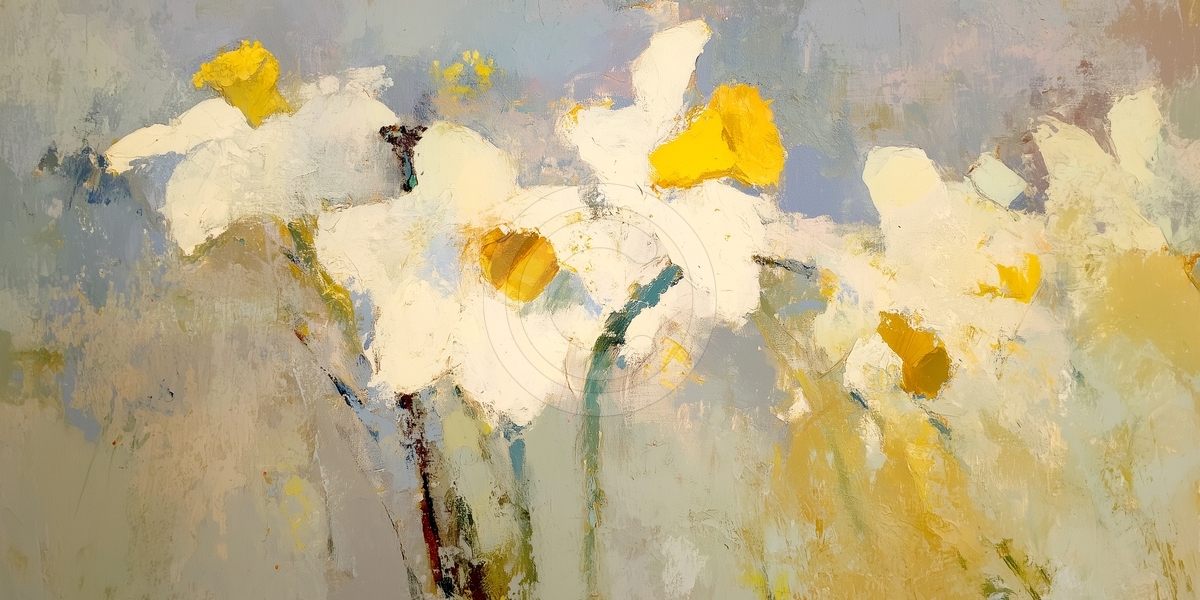
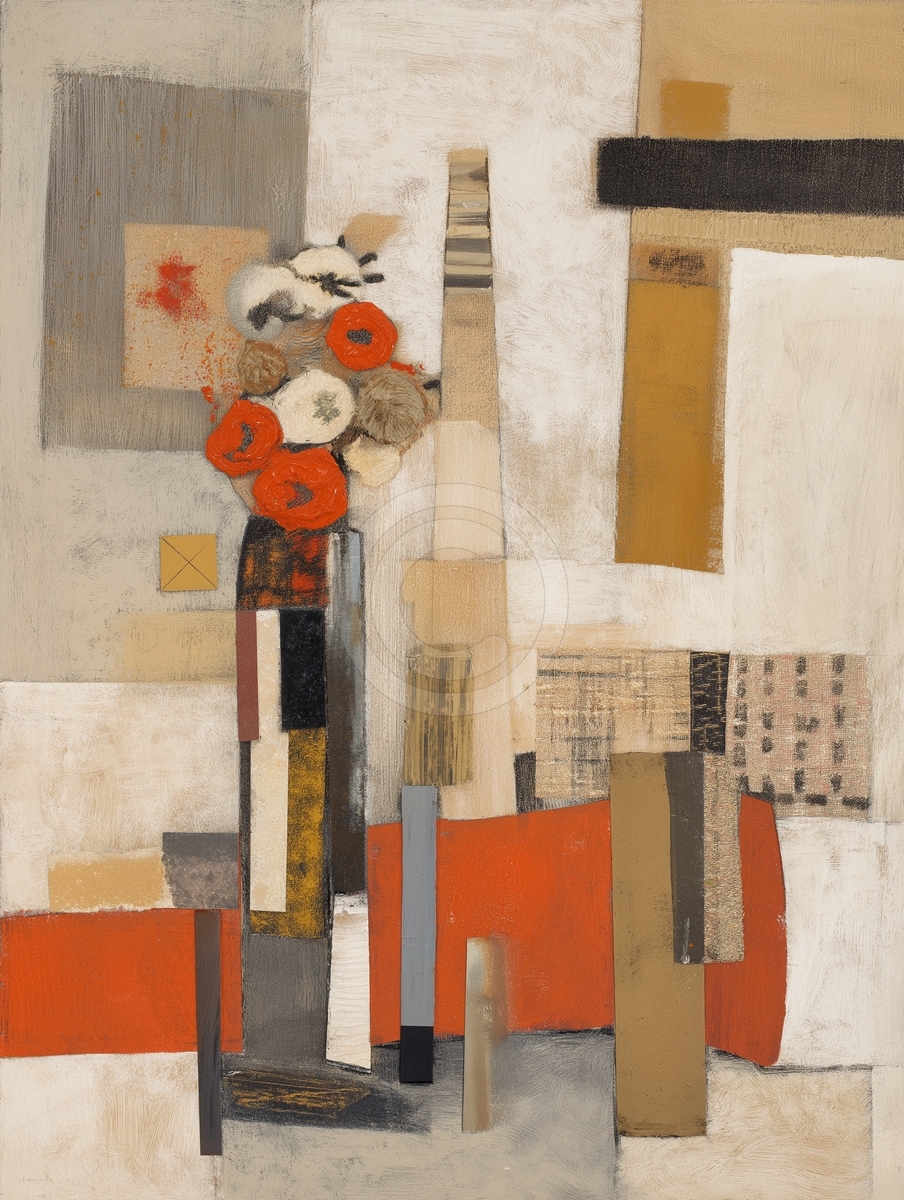
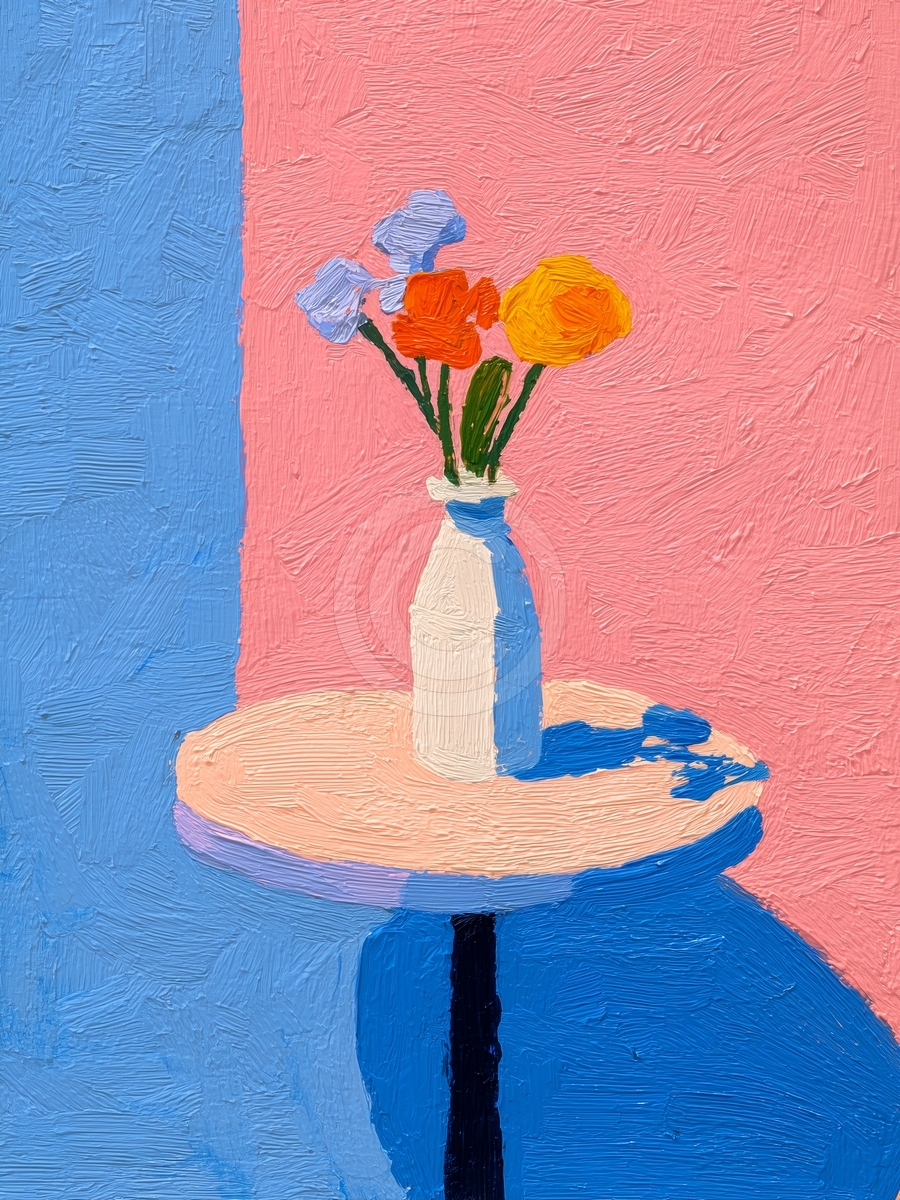
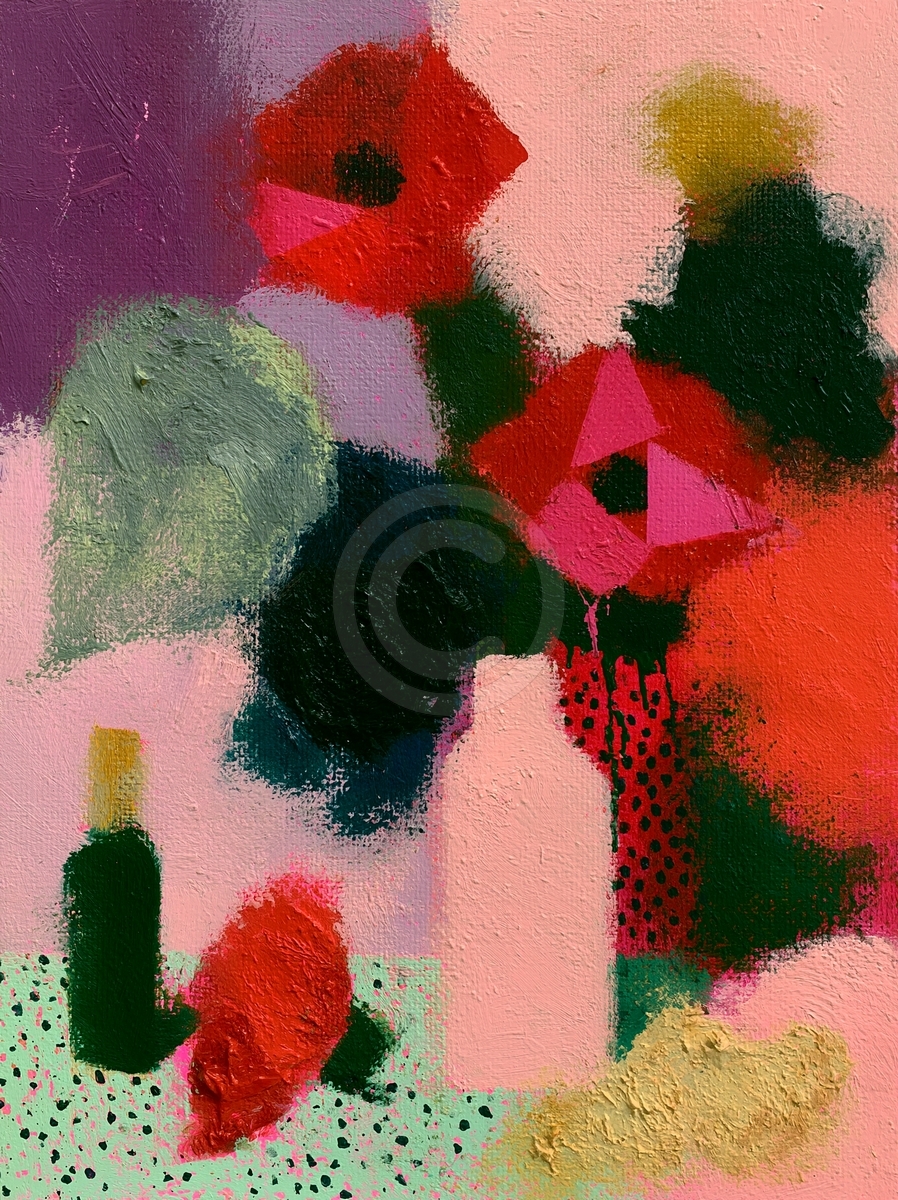
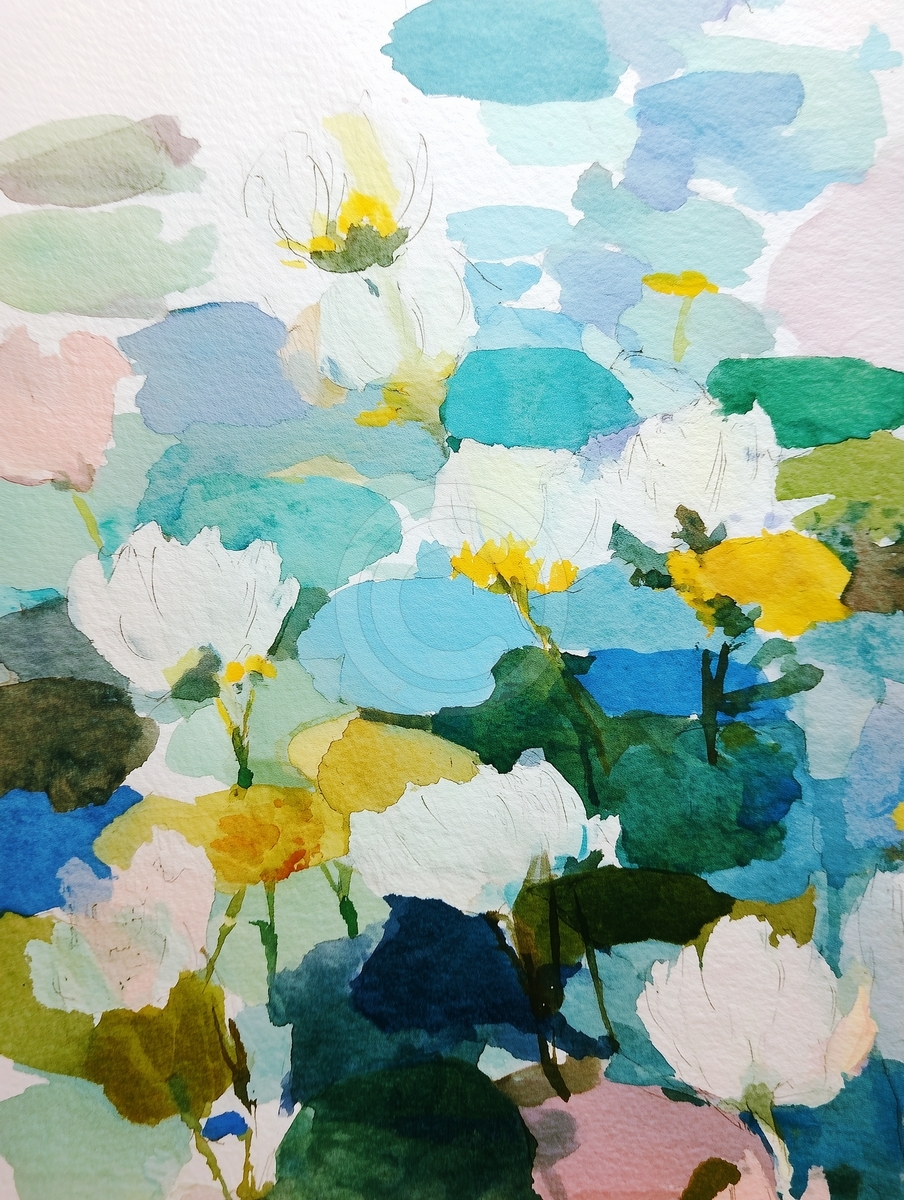
Modern artists use abstract styles to suggest flowers through bold brushstrokes and colors. These paintings work well in contemporary or mixed-style homes. Large abstract florals make strong focal points, while smaller pieces can be grouped for impact.
Minimalist Line Drawings
Simple line drawings of flowers in black or pencil on white backgrounds offer elegance and subtlety. They suit small spaces like bathrooms, entryways, or hallways without overwhelming the room.
Photorealistic Botanicals
Some artists create highly realistic floral paintings that look like photographs. These pieces make striking statements in modern interiors and highlight unusual flowers or dramatic compositions.
Mixed Media and Textured Florals
Using collage, gold leaf, resin, or 3D elements, artists add depth and texture to floral paintings. These works catch light and create visual interest, adding dimension to contemporary homes.
Choosing Flowers by Room
Living Rooms: Large floral paintings create bold statements. Oversized flowers or multi-panel works above sofas introduce color and focus.
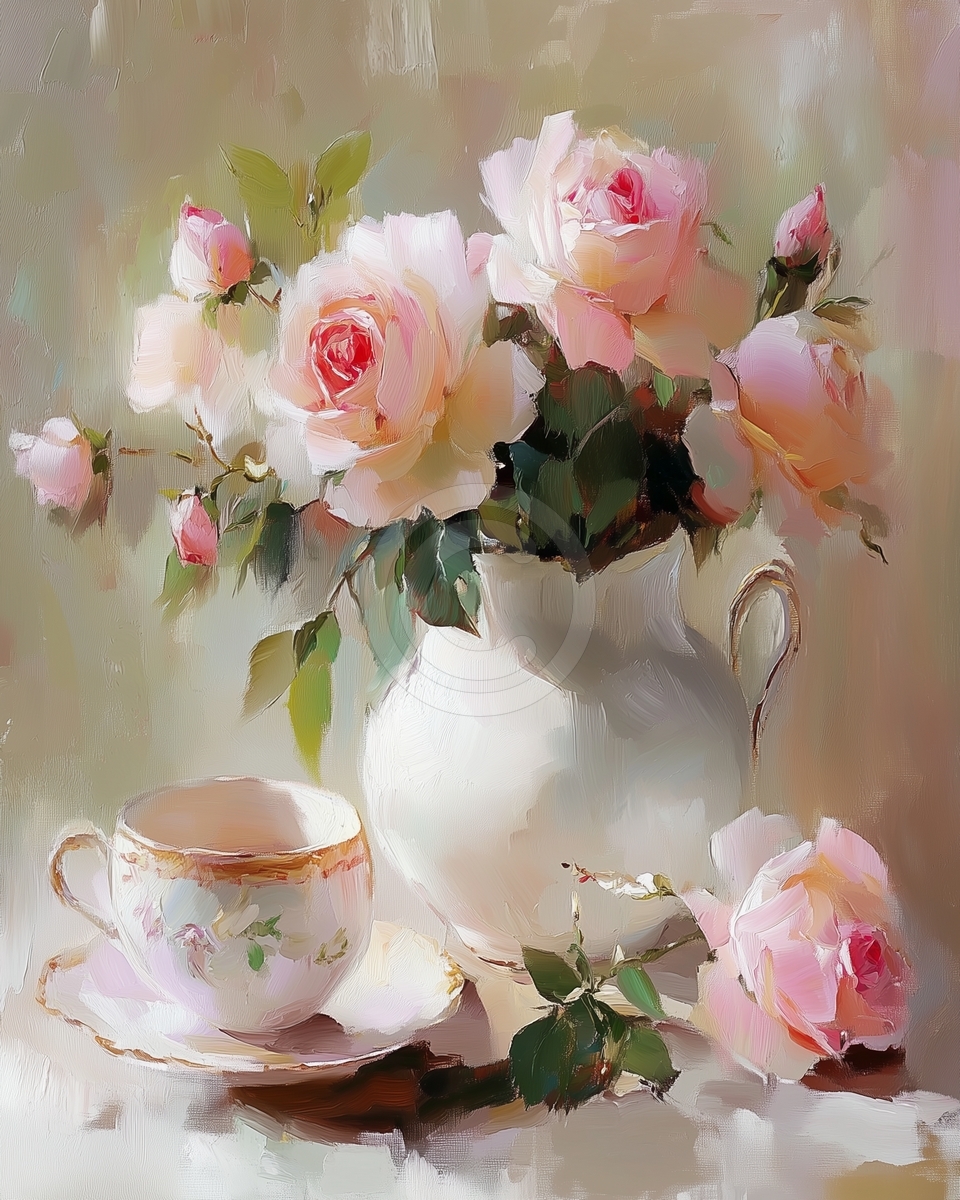
Bedrooms: Use calming, soft colors like lavender, pink, or muted greens. Gentle florals create a relaxing atmosphere for rest.
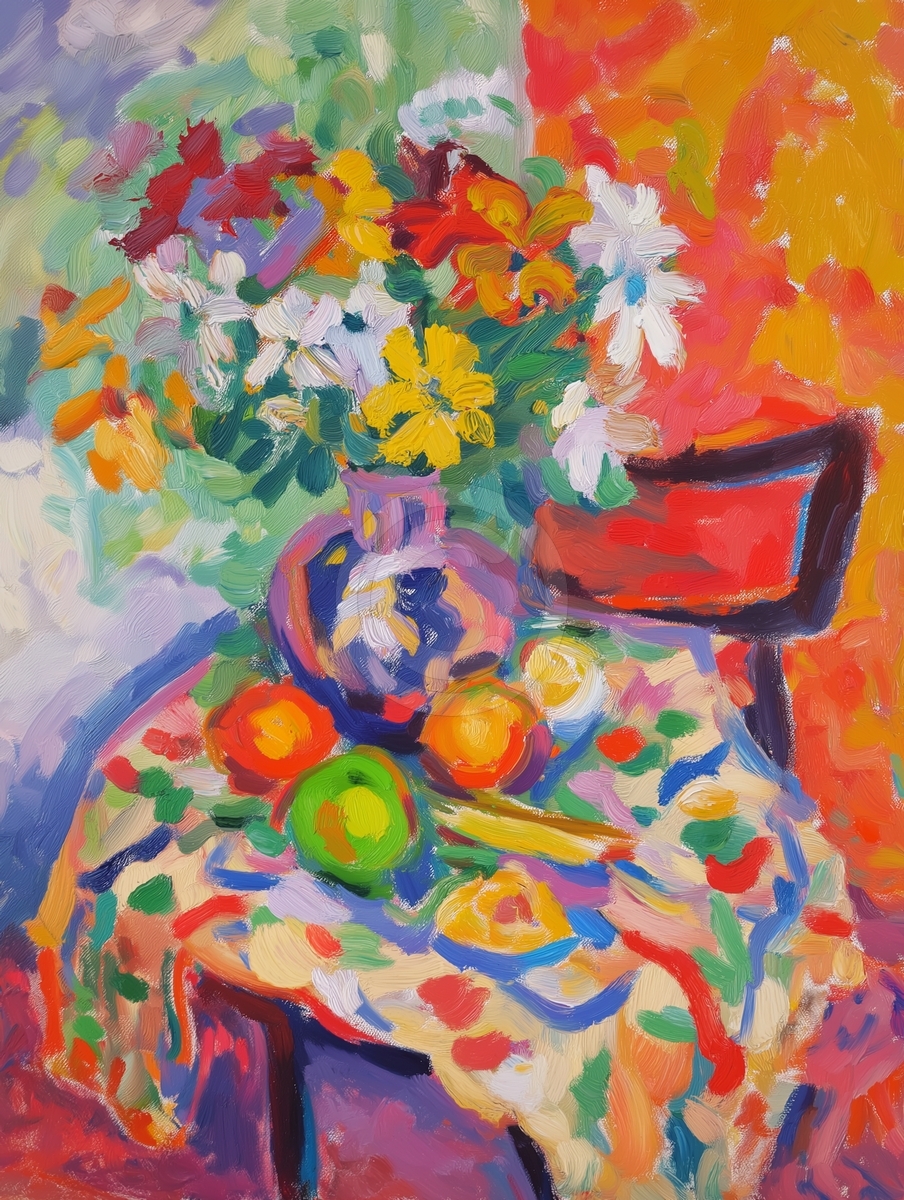
Kitchens and Dining Rooms: Bright, cheerful flowers like sunflowers or wildflowers energize social spaces and complement décor.
Bathrooms: Small botanical studies, watercolor flowers, or vintage prints create a spa-like feel. Use water-resistant frames for humidity.
Entryways and Hallways: Floral paintings welcome guests. Vertical compositions suit narrow spaces, while gallery walls work for coordinated series.
Home Offices: Choose energizing but calm florals in colors like green, blue, or yellow to improve focus without distraction.
Color Psychology in Floral Art
Red energizes rooms, good for kitchens or dining areas.
Pink creates gentle, romantic spaces, ideal for bedrooms or nurseries.
Yellow adds warmth and optimism, great for kitchens or low-light rooms.
Blue and Purple promote calm and relaxation, perfect for bedrooms and bathrooms.
White conveys simplicity and elegance, fitting for most interiors.
Orange adds energy and creativity, suitable for studios or playrooms.
Size and Scale Considerations
Large Paintings: 40x60 inches or bigger create room focal points, suited to living rooms or master bedrooms.
Medium Paintings: 24x36 to 36x48 inches fit above consoles or sofas, alone or in pairs.
Small Paintings: 16x20 inches or less work in groupings or gallery walls, spaced 2-3 inches apart.
Orientation: Vertical paintings emphasize height; horizontal works fit above furniture or wide walls.
Framing and Presentation
Traditional Frames: Ornate wood or gilded frames suit classical florals and formal spaces.
Modern Frames: Simple black, white, wood, or metal frames highlight contemporary florals.
Floating Frames: Create space between painting and frame for a modern look.
No Frame: Gallery-wrapped canvases fit casual or modern interiors. Matting adds space around works on paper.
Mixing Floral Art with Other Subjects
Floral paintings pair well with landscapes, abstract, figurative art, or botanical photography. Keep colors, frames, or themes consistent to maintain visual harmony.

Caring for Floral Paintings
Originals: Avoid direct sunlight, maintain stable temperature and humidity, and dust gently. Use UV-protective glass if needed.
Prints: Protect from light and use quality frames and glass for longevity.
Canvas: Avoid humid areas unless sealed. Clean with soft, slightly damp cloths.
Paper Works: Use acid-free mats and frames, keep away from moisture and sunlight.
Budget-Friendly Options
Emerging Artists: Original works at affordable prices.
High-Quality Prints: Reproductions of famous works for hundreds instead of millions.
DIY: Pressed flowers, watercolors, or photography.
Vintage Finds: Antique prints or paintings from thrift stores or estate sales.
Digital Displays: Rotating botanical images on screens for flexibility.
Investment Pieces
Recognized Artists: Established artists with galleries and auction records.
Limited Edition Prints: Signed and numbered works from known artists.
Provenance: Documented history adds value.
Condition: Well-kept works retain value better.
Subject: Popular flowers or styles may appreciate more.
Seasonal and Holiday Floral Art
Spring: Cherry blossoms, tulips, daffodils, lilacs.
Summer: Sunflowers, wildflowers, peonies, roses.
Autumn: Dahlias, chrysanthemums, harvest arrangements.
Winter: Amaryllis, poinsettias, white flowers, evergreen arrangements.
Rotating art with seasons keeps interiors fresh without major redesign.
Conclusion
Floral paintings enhance any home, from classical still lifes to modern abstracts. They bring nature, color, and positive energy indoors. Choose works that speak to you personally, matching your tastes, memories, and mood. Consider your spaces, color schemes, and style, then explore galleries, online platforms, and art fairs. The right floral painting will transform your walls and bring lasting beauty to your home.