

Choosing Art for Hotel Rooms: How the Right Painting Can Transform a Guest’s Experience
When a guest enters a hotel room for the first time, they rarely notice just one thing. Their impression is created by a combination of details: the light coming through the curtains, the arrangement of the furniture, the colors of the walls, the quality of the bedding and the view outside the window. Yet there are also smaller elements that can quietly influence the atmosphere of the room. Among them, artwork has a particularly important role.
A painting can make a hotel room feel warmer, more sophisticated, more contemporary or more connected to its surroundings. It can turn an otherwise functional space into somewhere that feels carefully designed. For hotels, this matters because a guest's experience is shaped not only by comfort and service but also by the feeling a space creates.
Choosing art for hotel rooms is therefore different from choosing a painting for a private home. A hotel needs artwork that works for many different people while still giving the room a distinctive personality. It needs to complement the furniture without disappearing completely, create visual interest without becoming distracting and remain attractive across different design trends.
The best hotel artwork often does something quite simple: it makes the room feel finished.
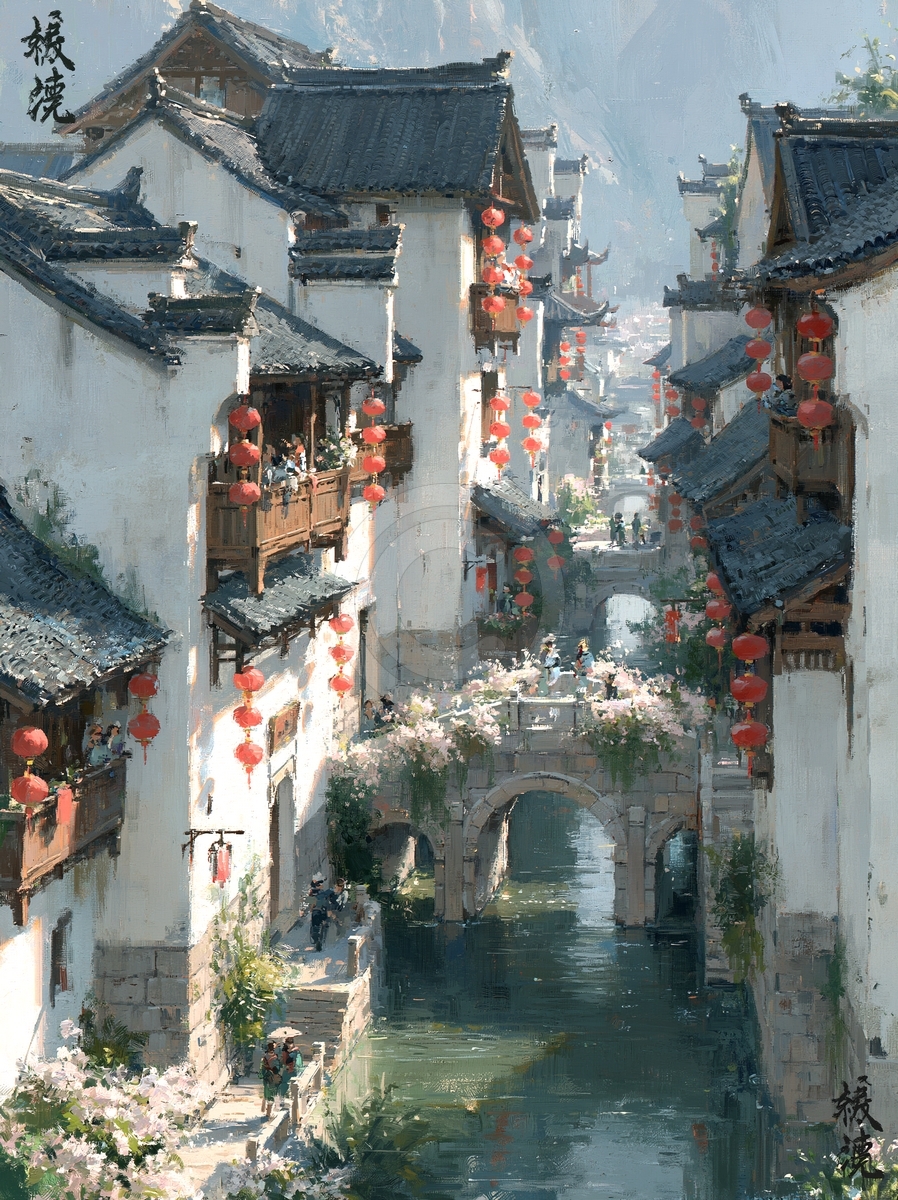
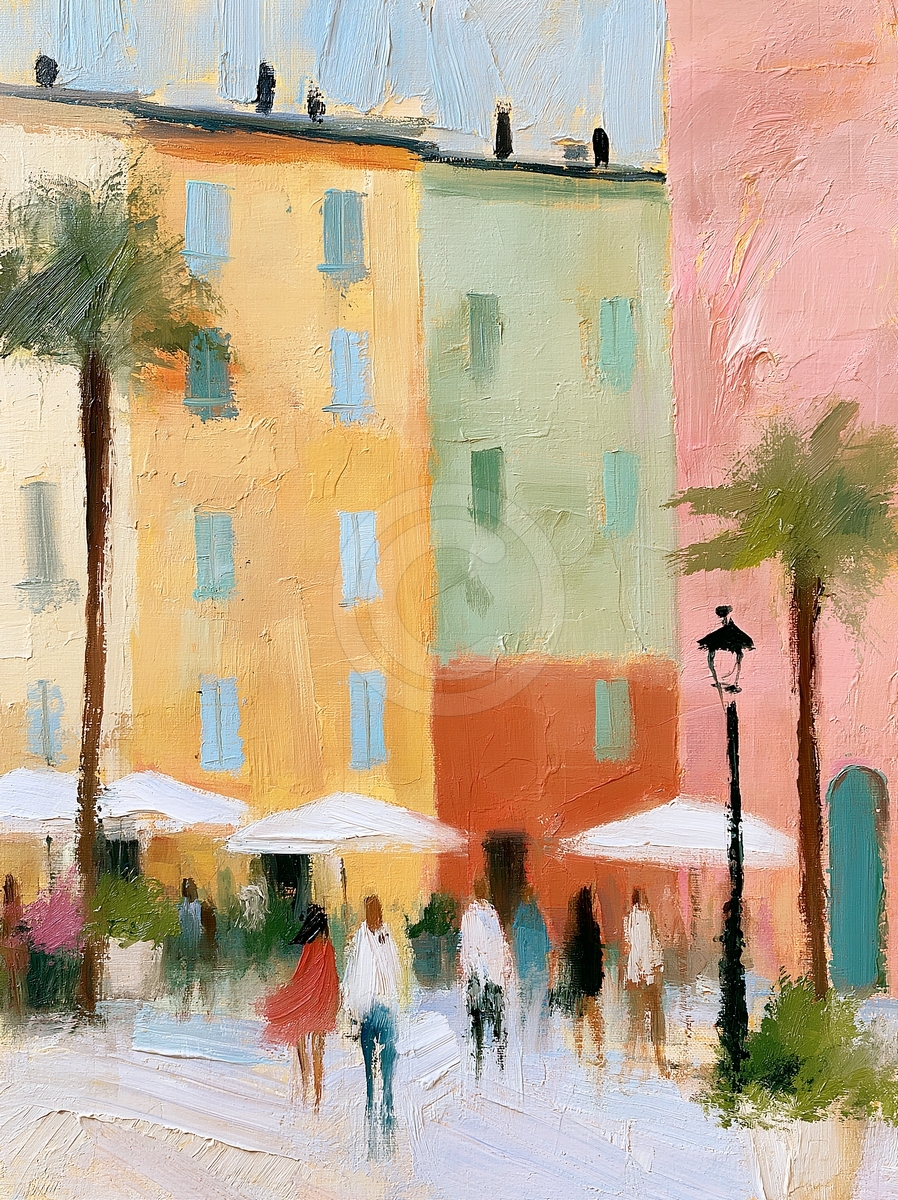
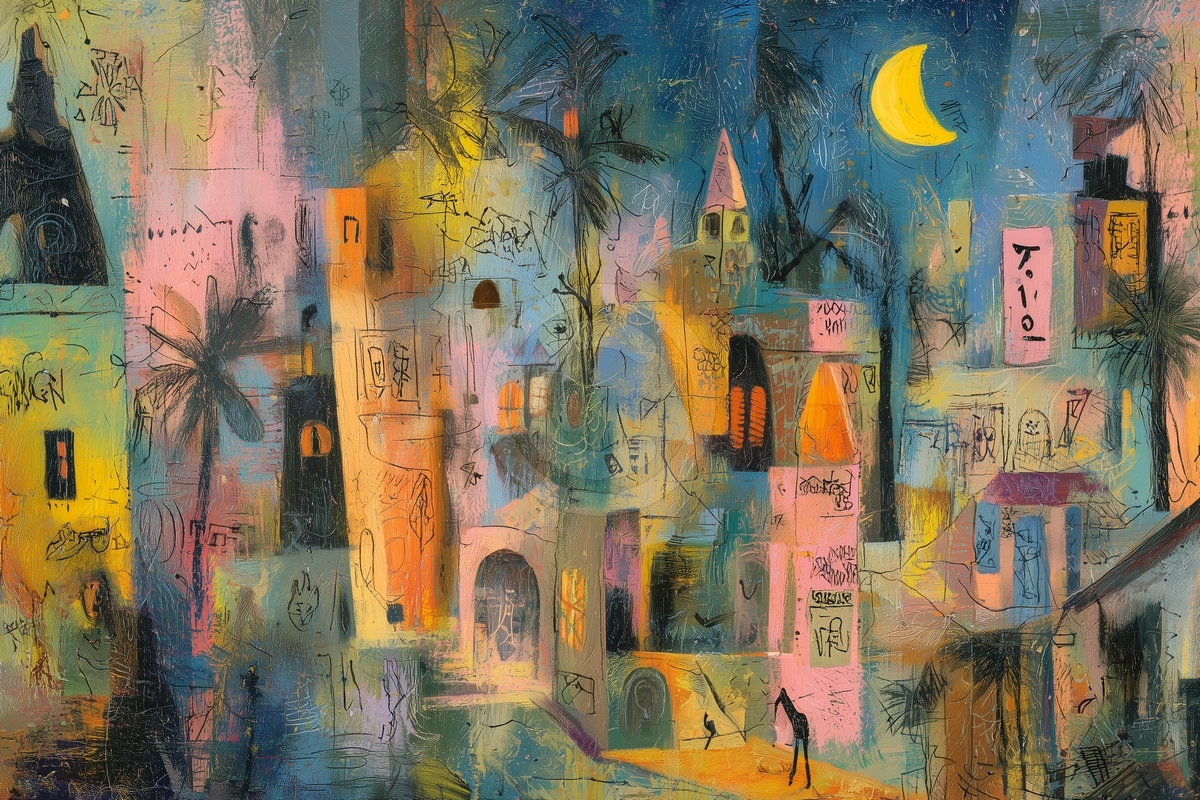
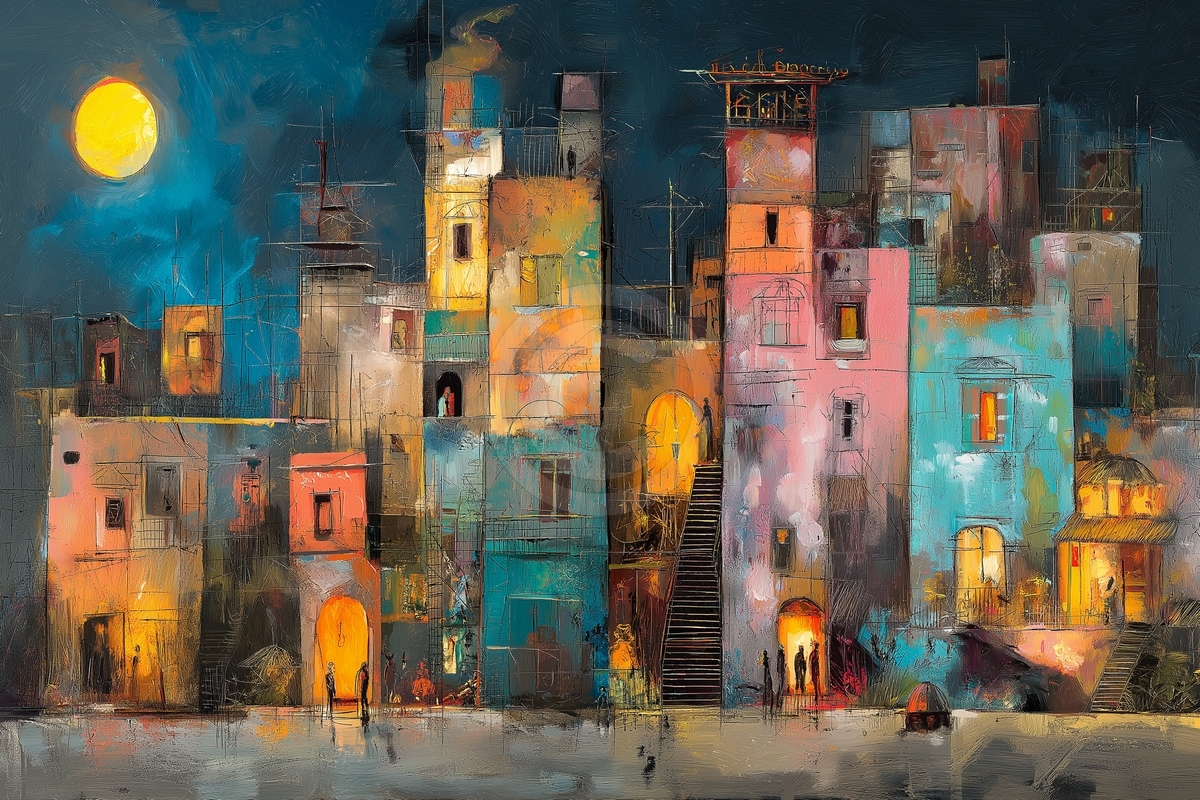



Art Should Begin With the Atmosphere of the Room
Before choosing a painting, it is useful to consider the experience the hotel wants to create. A modern city hotel may want its rooms to feel sophisticated and energetic, while a boutique hotel near the coast may prefer a more relaxed and natural atmosphere. A countryside property might use landscapes and botanical imagery to strengthen the connection with its surroundings.
The painting should support this identity rather than working against it.
Imagine a hotel room with natural wood, linen fabrics, soft lighting and neutral walls. A highly aggressive abstract painting in intense colors could immediately change the character of the room. It might be visually interesting, but it would not necessarily belong there. A quiet landscape, contemporary botanical composition or restrained abstract work could feel much more natural.
The opposite can also be true. A room with dark furniture, dramatic lighting and strong architectural features might benefit from artwork with greater contrast and presence.
This does not mean that everything has to match perfectly. In fact, artwork can be particularly effective when it introduces a controlled contrast. What matters is that the painting feels like part of the room's visual story.
Choosing the Right Size
One of the most common mistakes when selecting artwork for hotel rooms is choosing pieces that are too small.
A painting that looks substantial in an online photograph can appear surprisingly insignificant once it is placed on a large hotel wall. This is particularly noticeable above a bed, where the artwork is often expected to become one of the main visual elements of the room.
Scale should therefore be considered in relation to the furniture and the wall rather than in isolation.
A large horizontal painting can work beautifully above a wide bed, particularly in rooms where the headboard creates a strong horizontal line. A vertical artwork can be more appropriate beside a window, between architectural features or on a narrower wall.
In larger hotel rooms, oversized artwork can create a strong focal point without requiring several smaller decorative pieces. This can actually make the room feel more elegant because the wall remains visually organized.
For smaller rooms, a medium-sized painting may be more appropriate, but the same principle applies: the artwork should have enough presence to feel intentional.
Above the Bed: The Natural Focal Point
The wall above the bed is often the most obvious location for artwork, and for good reason. The bed is usually the largest piece of furniture in the room, so the area above it naturally becomes a visual focus.
A painting placed here can establish the color palette and atmosphere of the entire room.
A soft landscape in shades of blue and green can make the bedroom feel calm and restful. Abstract artwork with warm earth tones can create a sense of comfort and sophistication. A contemporary floral painting can introduce color and softness, while a minimalist composition can reinforce a clean and modern aesthetic.
The proportions of the artwork are important. A painting that is too narrow can look disconnected from the bed, while one that is excessively large can overwhelm the furniture.
The ideal relationship depends on the dimensions of the bed, headboard and wall, but the overall goal is balance. The painting should feel anchored to the bed rather than floating independently above it.
Creating a Sense of Place
Hotel guests often choose accommodation because of its location. They may be visiting a city for the first time, staying near the sea, exploring a historic region or travelling for business. Artwork can reinforce this sense of place without becoming overly literal.
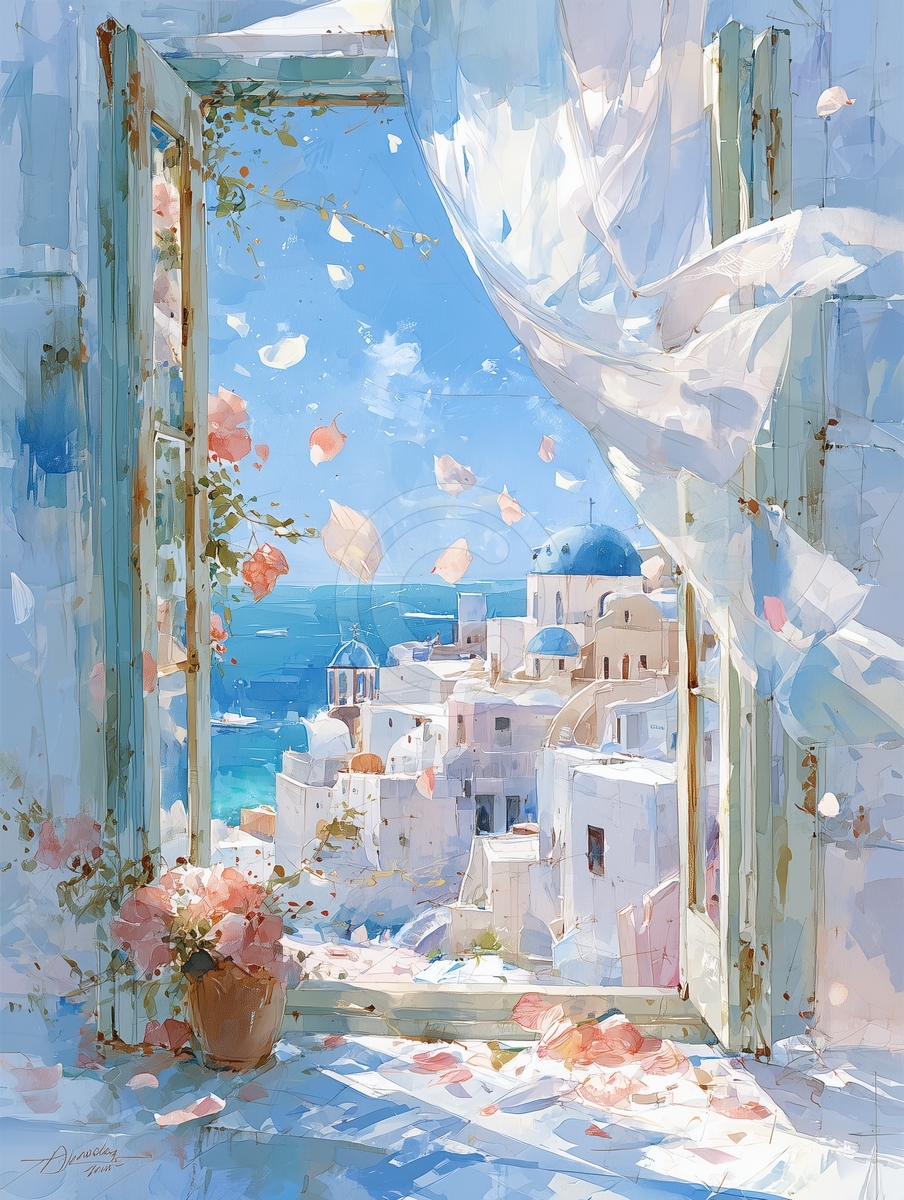
A hotel in Paris might incorporate elegant city scenes or architectural details. A coastal property could use seascapes, abstract interpretations of water or atmospheric horizons. A mountain hotel could use contemporary landscapes inspired by the surrounding environment.
This approach gives the room a subtle connection to its location.
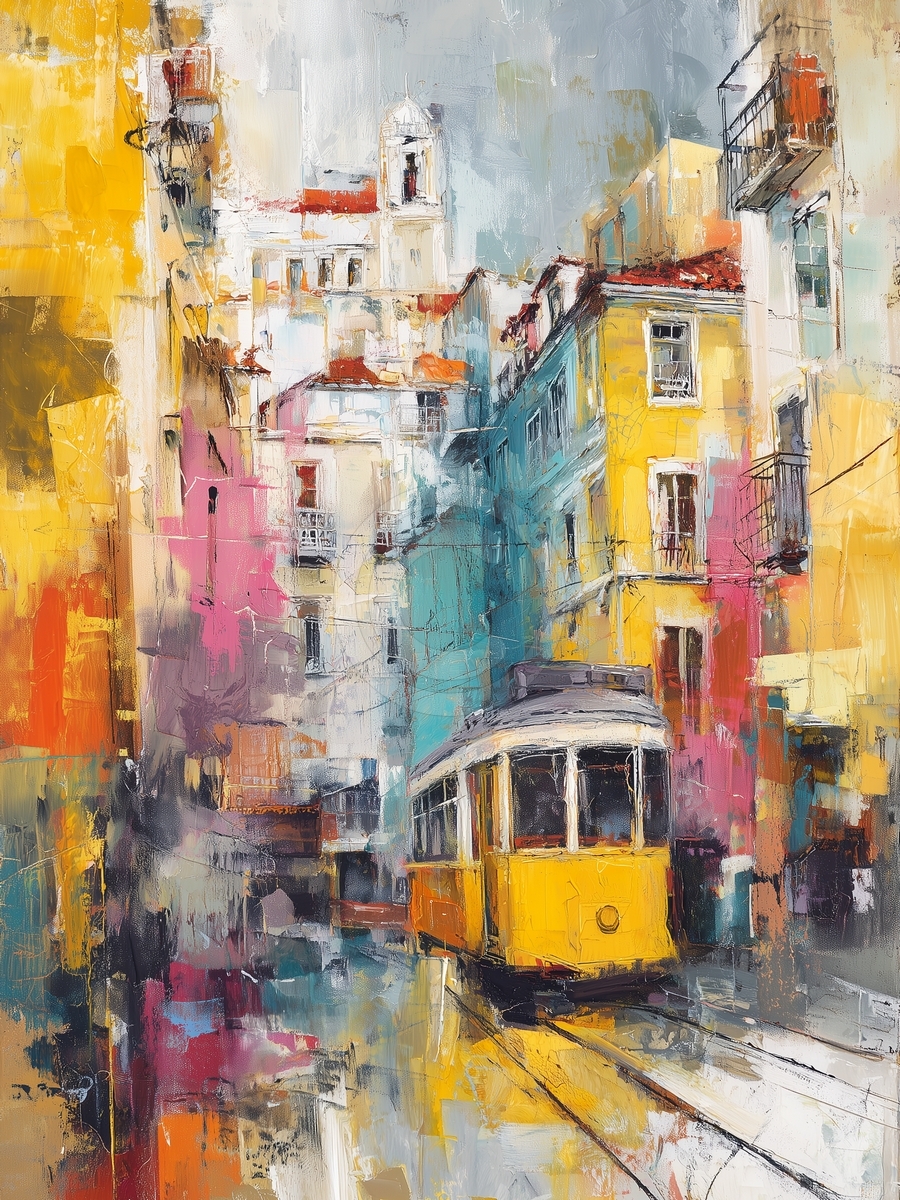
Importantly, the artwork does not always need to show a recognizable landmark. In some cases, an anonymous street, distant landscape or abstract interpretation of local colors can create a stronger atmosphere than a literal image of a famous attraction.
The goal is to make the guest feel that the room belongs to a particular place.
Abstract Art in Hotel Interiors
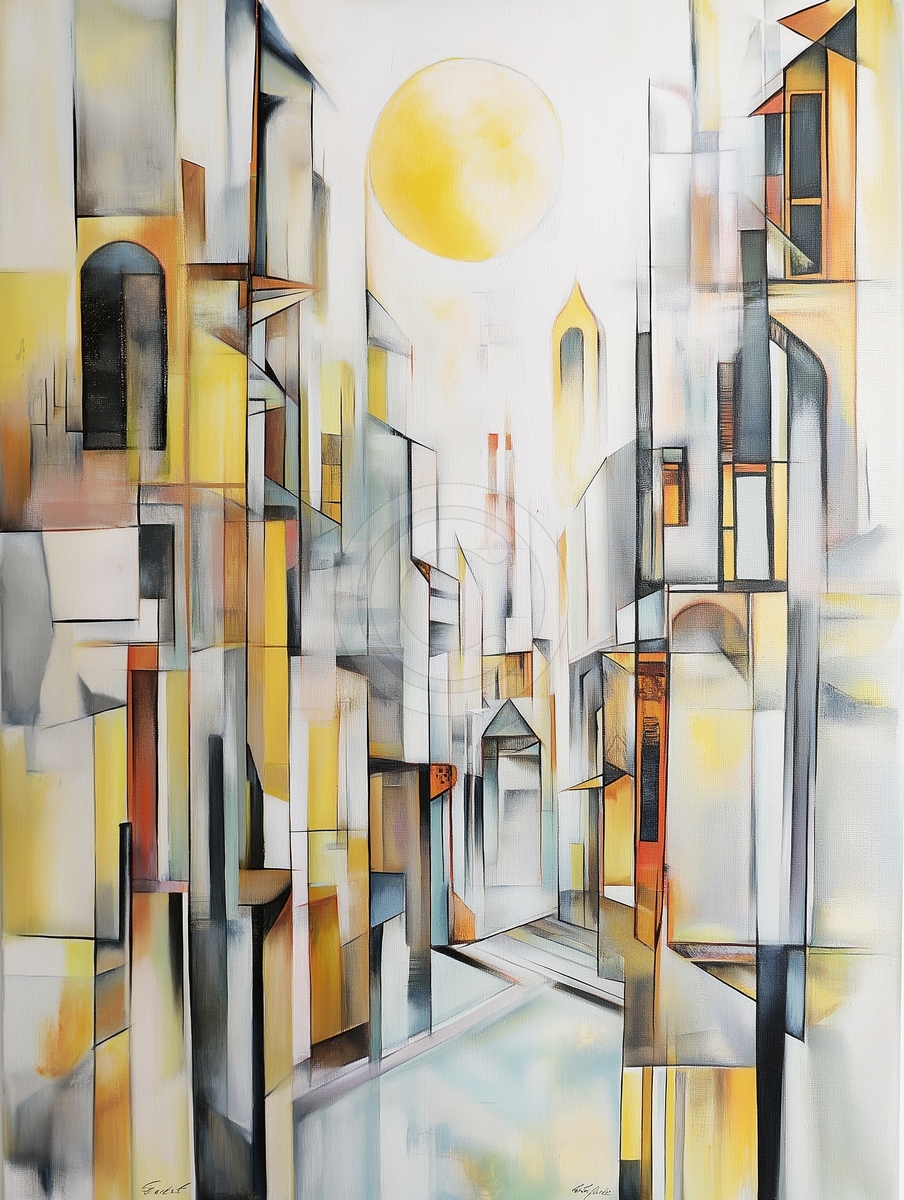
Abstract paintings are particularly versatile for hotels because they can create atmosphere without imposing a specific narrative on the guest.
A well-chosen abstract painting can introduce colors that connect different elements of a room. A muted composition can bring together beige walls, wooden furniture and grey textiles, while a more expressive work can provide a deliberate accent in an otherwise restrained interior.
There is also a practical advantage to abstraction. Hotel guests come from different cultures, generations and backgrounds, and they will naturally have different preferences. A highly specific figurative subject may appeal strongly to some people and not at all to others. Abstract art leaves more room for personal interpretation.
A guest might see movement, another might see a landscape, while someone else may simply enjoy the colors. The artwork becomes part of the room without demanding a particular interpretation.
This flexibility makes modern abstract art especially useful for contemporary hotel design.
Landscapes That Encourage Escape
There is a natural relationship between hotel rooms and landscape paintings. A guest is already away from home, and a landscape can reinforce that feeling of travel and escape.
A wide landscape above a bed can create the illusion of looking beyond the walls. Mountains, forests, oceans and open fields introduce visual depth, which can be particularly valuable in rooms where the actual window view is limited.
The style of the landscape matters as much as the subject. A highly realistic scene may create a completely different atmosphere from an impressionistic or contemporary interpretation. Modern landscape paintings can combine recognizable natural elements with expressive colors and simplified forms, making them suitable for hotels that want to feel contemporary rather than traditional.
A calm horizon can encourage relaxation, while a more dramatic landscape can give a room greater visual energy.
Color Should Work With the Interior
Color is one of the easiest ways for artwork to connect with hotel furniture and decoration.
This does not mean that the painting needs to reproduce the exact colors of the curtains or bedspread. Instead, look for relationships between colors. A painting might repeat one subtle shade already present in the room while introducing one or two new colors to create contrast.
For example, a neutral room could use artwork containing warm ochre, beige and muted blue. The painting would feel connected to the room while still providing visual interest.
In a room with stronger colors, artwork can either reinforce the existing palette or deliberately provide balance. If the furniture is dark and dramatic, lighter artwork can create contrast. If the room already contains many visual elements, a more restrained painting may help calm the overall composition.
This is one reason hotel artwork should be selected as part of the interior design process rather than added as an afterthought.
One Painting or Several?
There is no universal answer to how many paintings a hotel room should contain. It depends on the size of the space and the design concept.
In many cases, one large painting can be more effective than several small artworks. A single substantial piece creates a clear focal point and keeps the room visually clean.
Other rooms may benefit from two or three related pieces, particularly when there are several walls that need visual balance. If multiple paintings are used, they do not necessarily have to be identical. They can share a color palette, artistic style or subject while remaining individually interesting.
For hotels with many rooms, creating a consistent visual language can also be useful. Different paintings can be used throughout the property while maintaining a recognizable relationship between them. This creates variety without making every room feel unrelated to the others.
Original Art or Fine Art Prints?
Hotels also have to consider practicality and budget. Original paintings can provide exclusivity and a strong artistic identity, but furnishing dozens or hundreds of rooms with original works may not always be realistic.
High-quality fine art prints offer another possibility. A well-produced Giclée print can reproduce artwork with excellent detail and color, making it possible to create a consistent visual identity across multiple rooms.
This is particularly useful for larger hotel projects. The same artwork can be produced in different sizes or adapted to different rooms while maintaining a coherent design concept.
Printed artwork also makes it possible to select images specifically for the atmosphere of the property rather than limiting the design to whatever original works happen to be available.
For hotels, this combination of visual quality, flexibility and scalability can be particularly valuable.
Artwork Should Survive More Than One Season
Hotel interiors need to remain attractive for years, not just for a single decorating trend. This makes timelessness an important consideration when selecting artwork.
A painting does not necessarily have to be traditional to be timeless. Modern art can remain relevant when its composition, colors and subject have enough visual depth to avoid feeling tied to a very specific trend.
This is another reason to choose artwork based on atmosphere rather than simply following whatever style is currently fashionable. Trends change quickly, but a beautiful landscape, elegant abstract composition or carefully designed floral painting can continue to work even as furniture and accessories are updated.
The best hotel artwork should be able to adapt.
The Importance of Presentation
Even a beautiful painting can lose some of its impact if it is poorly presented.
For canvas artwork, the quality of the canvas, printing and stretching all contribute to the final appearance. A carefully produced artwork can feel substantial and refined, while a poorly finished canvas can make the entire room feel less polished.
The same principle applies to framed artwork. The frame should support the painting without competing with it, and the proportions should feel appropriate to the room.
In a hotel, these details matter because guests notice the overall impression even when they cannot identify exactly why a room feels sophisticated.
Good design often works quietly.
Art That Guests Remember
A hotel room should be comfortable, but comfort alone is not always what makes a stay memorable. Small visual details can become part of the experience, and artwork is one of the elements guests may remember long after they have left.
Perhaps it is the large blue landscape above the bed, the unusual abstract painting beside the window or the warm sunset that gave the room a feeling of calm at the end of the day. These details can become associated with the hotel itself.
For this reason, choosing art for hotel rooms should not be treated simply as a matter of filling empty walls. The artwork contributes to the personality of the property and to the atmosphere experienced by the guest.
The most successful hotel rooms often feel effortless. The furniture, lighting, textiles and artwork seem to belong together without appearing overly designed. A painting may not be the first thing a guest notices when entering the room, but it can be one of the details that makes the entire space feel complete.
Ultimately, the right artwork does more than decorate a hotel room. It creates atmosphere, introduces character and gives the guest something beautiful to discover. And when the painting feels naturally connected to the room, the destination and the experience of staying there, it becomes part of something much larger than the wall on which it hangs.